Companies struggle to communicate complex ideas through traditional methods. Static presentations, technical documents, and verbal explanations often leave audiences confused and disengaged, resulting in lost opportunities and failed projects. Modern 3D animation studios solve this challenge by transforming technical concepts into clear, compelling visual narratives that audiences understand and remember.
The Evolution of 3D Animation Studios
The 3D animation industry has undergone a dramatic transformation over the past two decades. What once required massive rendering and Hollywood budgets now happens in specialized studios equipped with cutting-edge technology and creative talent. These studios have become essential partners for businesses across various industries, including healthcare, manufacturing, oil and gas, and technology.
Professional animation studios combine technical expertise with artistic vision. They employ teams of specialists, including animators, graphic designers, concept artists, producers, and technical directors. Each professional brings unique skills to projects, ensuring both technical accuracy and creative excellence.
The Heart of a Modern Animation Studio
Creative Workspace Design
A successful 3D animation studio requires more than powerful computers and software. The physical environment plays a crucial role in fostering creativity and collaboration. Open workspaces encourage team interaction, while dedicated areas for focused work allow animators to concentrate on detailed tasks.
Studios typically feature review rooms where teams present work to clients, render farms for processing complex animations, and collaborative spaces where artists and technical directors solve creative challenges together. The workspace reflects the studio’s culture of innovation and precision.
Technology Infrastructure
Modern animation studios invest heavily in technology infrastructure. High-performance workstations equipped with professional graphics cards handle complex 3D models and simulations. Network storage systems enable seamless collaboration among team members working on different aspects of the same project.
Rendering capabilities determine a studio’s ability to deliver projects on time. Professional studios maintain dedicated render farms or utilize cloud rendering services to process animations efficiently. This infrastructure allows teams to iterate quickly and meet tight deadlines without compromising quality.
The Animation Production Pipeline
Step 1: Concept & Storyboarding
All animations at Austin Visuals begin with a concept phase. The creative team works from a project brief that outlines the client’s goals, messaging, target audience, and brand requirements. From that, a storyboard is drafted, a sequence of rough panels illustrating scene composition, camera moves, transitions, and visual flow.
This blueprint enables both client and internal teams to align on narrative structure and visual pacing before production commences. At this early stage, feedback cycles are faster and cheaper. Once storyboards are approved, they evolve into animatics, which are simple timed sequences that simulate motion and camera movement without full rendering.
Step 2: Modeling & Texturing
With the storyboard and motion layout in hand, the modeling team builds the 3D geometry for all assets, including characters, props, environments, vehicles, tools, machinery, and more. Depending on the project, models may require high detail (for close-ups) or lower resolution (for background elements). Efficient topology and clean mesh structure remain priorities, so that rigs and deformations behave properly.
After modeling, the texturing artists apply surface detail: color maps, normal maps, specular or roughness maps, displacement or bump maps, and material assignments. In technical or product animation for Austin Visuals, textures must accurately reflect real-world materials (such as metal, glass, plastics, and composites) with physically accurate shading. Clients often supply reference images, CAD files, or material samples to guide realism.
Step 3: Rigging & Skinning
Once models exist, rigging binds a “skeleton” or control system to each object or character. Riggers create control rigs, handles that animators manipulate to pose or animate geometry. For mechanical animations, rigs may include rotation controls, constraints, procedural motion, and a hierarchy of dependencies.
Skinning ensures that deformations respond appropriately to rig control. In characters, skin weights define how mesh vertices respond to joint motion; in machinery, parent constraints, pivot points, and linking ensure precision motion. The rig must also support corrective morphs or blend shapes for cases involving complex deformations.
Step 4: Animation/Layout
The animation or layout team stages scenes: placing cameras, defining initial key poses, and timing motion. In the layout phase, rough camera paths and object placements are made. Once the layout is confirmed, animators create keyframes and tweening (in-betweens) to bring motion to life.
Animation demands attention to timing, easing, weight, and realism (especially in technical, medical, or mechanical animations). Fine adjustments smooth motion, remove jitter, and ensure coherence across moving parts. Iterative reviews happen internally and with clients to refine movement, pacing, and camera behavior.
Step 5: Lighting & Rendering
Lighting artists set up virtual light sources, environment lighting, and global illumination to simulate realistic or stylized scenes. Shadows, reflections, ambient occlusion, and volumetric effects come into play. Material properties and light setups often require iteration to hit the desired look.
Rendering machines take over once lighting is locked in. The studio uses render farms (either in-house or cloud) to batch render frames at target resolution, bit depth, and passes (beauty, ambient occlusion, specular, depth, normals, etc.). Render times depend heavily on scene complexity, sample counts, ray tracing, motion blur, and post effects.
Rendering is a heavyweight stage: frames may take from minutes to hours each. The studio monitors render queue, handles errors, and ensures consistency across frames.
Step 6: Compositing & Post-Production
Rendered passes enter compositing and post-production. Compositors combine passes, perform color correction, integrate visual effects (VFX), motion blur, depth of field, lens effects, lens flares, glow, and sometimes particle systems or dynamic effects (smoke, fire, fluids). At this stage, minor adjustments may include rotoscoping, masking, or fine-tuning of layers.
Sound design, music, voiceover, and timing adjustment are also done at this stage. The final cut is assembled, reviewed, and polished until the animation meets the intended look and messaging.
Step 7: Quality Control & Delivery
Before delivery, the QC team inspects every frame for aliasing, flicker, motion artifacts, mismatches, color shifts, or rendering mistakes. Any anomalies get flagged and reworked. With approval secured, the final deliverables, mostly in formats such as MP4, ProRes, or image sequences, are uploaded or handed over to the client.
Metadata, version control, and archiving methods ensure the project can be revisited or iterated later. Austin Visuals likely maintains backup copies and version logs for long-term client support.
Specialized Industry Applications
Healthcare and Medical Animation
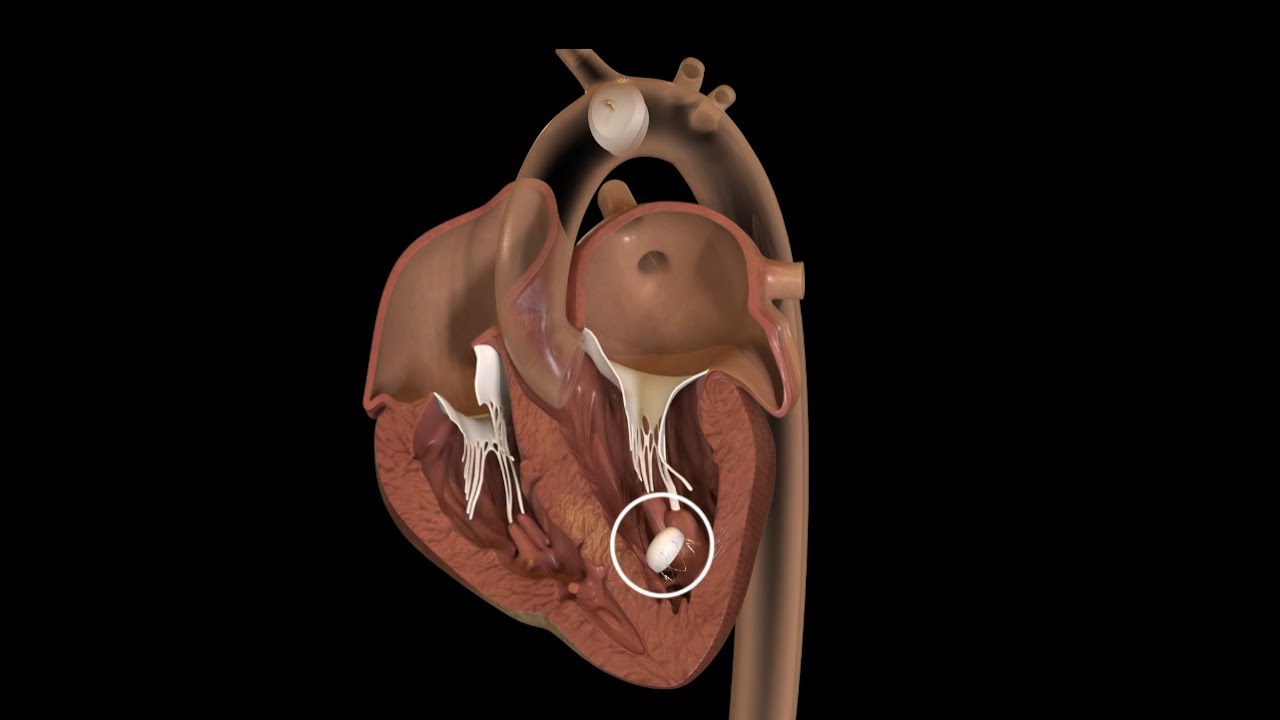
Medical animations help healthcare providers explain complex procedures to patients. Surgeons use 3D visualizations to plan operations and train residents. Pharmaceutical companies utilize animations to illustrate the mechanisms of drugs and treatment pathways.
These animations must strike a balance between medical accuracy and visual clarity. Studios collaborate closely with medical professionals to ensure anatomical accuracy while creating content that is accessible to non-medical audiences.
Manufacturing and Industrial Visualization
Manufacturing companies rely on 3D animations to showcase production processes, assembly procedures, and equipment operations. These visualizations help train employees, demonstrate capabilities to customers, and communicate with stakeholders.
Industrial animations require an understanding of mechanical engineering principles. Studios must accurately represent equipment movements, material flows, and operational sequences. Technical accuracy builds credibility and ensures animations serve their intended purposes.
Oil and Gas Sector Solutions
The oil and gas sector benefits significantly from visualizing offshore operations, pipeline installations, and refinery processes. These animations help companies communicate complex operations to investors, regulators, and safety personnel.
Subsea animations show underwater operations that would be impossible to film. Pipeline animations demonstrate installation procedures and safety protocols. Refinery visualizations help operators understand process flows and equipment interactions.
Engineering and Construction
Engineering firms use 3D animations to present project proposals, demonstrate construction sequences, and communicate design concepts. These visualizations help win contracts, secure funding, and align project teams.
Construction animations display the building progression over time, enabling contractors to plan logistics and coordinate trades effectively. Infrastructure projects benefit from animations that demonstrate traffic management plans and construction phasing.
Advanced Animation Technologies
Virtual and Augmented Reality
VR and AR technologies transform how audiences experience animations. Virtual reality immerses viewers in 3D environments, allowing them to explore facilities, examine equipment, and practice procedures. Augmented reality overlays digital information onto real-world views, enhancing training and maintenance applications.
Studios developing VR/AR content must consider user experience beyond traditional animation. They design interactive elements, navigation systems, and user interfaces that make virtual experiences intuitive and effective.
Real-Time Rendering
Real-time rendering engines revolutionize animation production and delivery. These technologies enable instant visualization changes, interactive presentations, and dynamic content updates. Clients can explore different scenarios and configurations without waiting for traditional rendering to complete.
Game engine integration brings interactivity to industrial visualizations. Users can control cameras, activate equipment, and modify parameters in real-time. This technology bridges the gap between passive viewing and active engagement.
Artificial Intelligence Integration
AI technologies enhance animation workflows by automating processes and providing intelligent assistance. Machine learning algorithms help with motion capture cleanup, texture generation, and rendering optimization. AI-powered tools accelerate production while maintaining quality standards.
Procedural generation techniques efficiently create complex environments and effects. Studios use algorithmic approaches to generate realistic crowds, vegetation, and particle systems. These methods save time while achieving results that would be impractical to animate manually.
Quality Assurance and Client Collaboration
Iterative Review Process
Professional studios implement structured review processes that ensure client satisfaction. Regular checkpoints enable clients to provide feedback at key stages of production. This approach prevents major revisions late in production and keeps projects on schedule.
Online review platforms enable remote collaboration. Clients can view work in progress, leave time-coded comments, and approve animations from anywhere, all from a single platform. These tools streamline communication and accelerate decision-making.
Technical Accuracy Verification
Accuracy is at the heart of every animation produced. Studios employ technical consultants who verify the accuracy of animation against engineering specifications. They ensure equipment operates correctly, processes follow proper sequences, and safety protocols are properly followed.
Documentation maintains consistency throughout production. Studios create technical bibles that define equipment specifications, operational parameters, and visual standards. These references ensure all team members work from the same information.
Delivery and Distribution
Modern studios deliver content across multiple platforms and formats. They optimize animations for different viewing environments, from conference room presentations to mobile devices. Technical specifications ensure compatibility with client systems and distribution channels.
Version control systems track animation iterations and maintain project histories. Studios archive project files for future updates or modifications. This organization enables efficient project maintenance and content repurposing.
Measuring Animation Impact
Training Effectiveness
Operational safety and employee training are top priorities in industrial environments. Companies measure training effectiveness through improved safety records, reduced errors, and faster skill acquisition. Animated training materials consistently outperform traditional methods in knowledge retention and application.
Analytics tools track viewer engagement with animated content. Studios analyze viewing patterns, interaction data, and assessment results to optimize training materials. This data-driven approach ensures animations achieve their educational objectives.
Marketing and Sales Results
During a product launch or investor presentation, animated videos can showcase a product’s operation in ways that static models or brochures cannot. Marketing teams measure the effectiveness of animation through increased engagement, higher conversion rates, and improved brand perception.
Sales organizations report that animations shorten sales cycles and improve close rates. Complex technical products become easier to understand and evaluate. Customers make more informed decisions when they can visualize products in operation.
Why Customers Choose Austin Visuals
Regional Excellence in Texas
Texas has emerged as a major hub for animation and digital media production. The state’s business-friendly environment, talented workforce, and technological infrastructure attract leading animation studios. Austin, in particular, combines creative culture with technical expertise, making it an ideal location for animation production.
Austin Visuals, an award-winning 3D animation company, has been operating globally from Austin since 2007. Our team consists of 21 experienced, US-based artists and writers. Located at multiple addresses, including 111 Congress Avenue and 51 Rainey Street in Austin, the studio maintains a strong presence in Texas’s thriving technology corridor.
Austin Visuals: A Leader in 3D Animation
Austin Visuals 3D Animation Studio specializes in producing high-quality, concept-to-launch 3D animation, product graphics, e-learning training content, television commercials, web commercials, and videography deliverables for a local and global client base.
The studio has built an impressive portfolio serving industries including manufacturing, healthcare, oil and gas, engineering, and technology. Each project demonstrates the team’s ability to transform complex technical concepts into clear, engaging visual narratives.
Transform Your Vision Into Reality With Austin Visuals
Ready to elevate your communication through professional 3D animation? Austin Visuals transforms technical concepts into powerful visual narratives that engage audiences and drive results. With nearly two decades of experience and a team of award-winning professionals, the studio delivers custom animation solutions tailored to specific industry requirements.
Austin Visuals has been helping companies communicate better since 2007. The studio combines engineering accuracy with creative storytelling to produce animations that achieve measurable business objectives. Whether your organization needs training materials, marketing content, technical demonstrations, or virtual reality experiences, Austin Visuals has the expertise to bring your vision to life.
Don’t let complex ideas get lost in translation. Partner with Austin Visuals to create animations that clarify, engage, and inspire. Contact Austin Visuals today at (512) 591-8024 or email info@austinvisuals.com to schedule a consultation. Discover how professional 3D animation can transform your business communication and help you achieve your goals.
Visit austinvisuals.com to explore the portfolio and see how Austin Visuals has helped organizations worldwide communicate with clarity and impact.