
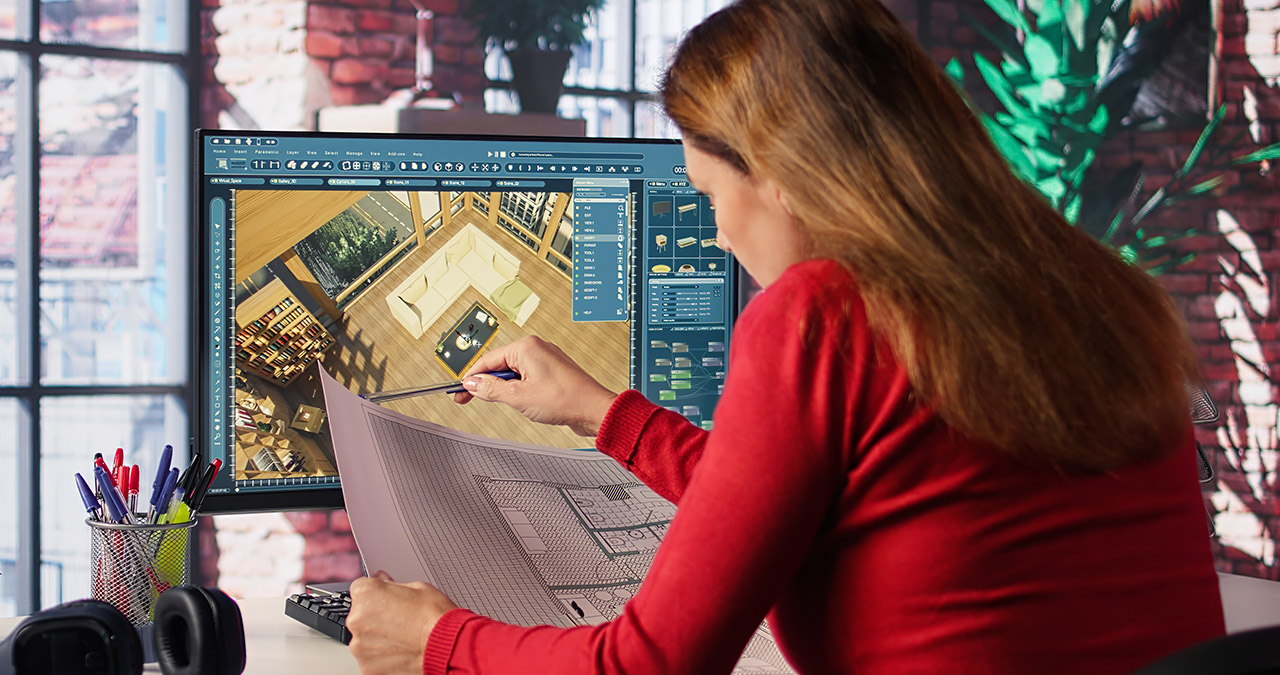
Traditional blueprints and 2D drawings can be confusing for project stakeholders. Architects, contractors, and investors often struggle to agree on the design, leading to high cost changes, delays, and uncertainty. Architectural animation solves these problems. With photorealistic 3D visualization, static plans become dynamic walkthroughs, so that teams can review, approve, and fine-tune every detail before construction begins.
Why Architectural Animation Matters for AEC Projects?
Architectural renderings and construction animations create a shared visual language across the Architecture, Engineering, and Construction (AEC) industry. These tools provide detailed walkthroughs of building exteriors, interior spaces, lighting design, and material finishes. Architects, engineers, contractors, and clients see the same vision from day one.
Construction sequence animation goes further by mapping the entire build process. These visualizations show phasing schedules, equipment placement, material staging, and site logistics. According to the American Institute of Architects, visualization technology has become essential for modern architectural practice. Project managers use this technology for safety planning, clash detection, and contractor coordination.
Reducing Risk and Cost with Pre-Construction Visualization
Virtual design validation helps in clash directions. 3D building models identify conflicts between architectural, structural, MEP (mechanical, electrical, plumbing), and HVAC systems before construction starts. The Building Information Modeling (BIM) process integrates these technologies to improve project outcomes. Resolving these clashes digitally costs significantly less than on-site corrections.
For clients and approval boards, realistic renderings accelerate decision-making. Investors and lenders gain confidence when they see finished projects in context. This leads to faster approvals and more secure funding. Research from McKinsey & Company shows that digital visualization reduces construction costs by up to 20%.
Where are Architectural and Construction Animations applicable?
Design Development & Client Presentations:- Architectural visualization communicates design intent without ambiguity. Clients walk through spaces virtually, provide specific feedback, and approve designs faster. This collaboration reduces revision cycles and keeps projects on schedule.
Real Estate Marketing & Pre-Sales:- Commercial developers, residential builders, and public works agencies use architectural animation to market unbuilt properties. Photorealistic renderings and virtual tours attract buyers, tenants, and investors before construction completes. The National Association of Realtors reports that listings with 3D visualization receive significantly more engagement than traditional photography alone. These assets strengthen investor pitches, funding proposals, and competitive bids.
Community & Stakeholder Engagement:- Public infrastructure projects require community approval. Architectural flythrough animations help residents, city councils, and planning boards understand proposed developments. The American Planning Association recognizes visualization as a best practice for public engagement. Clear visualizations transform public skepticism into project support.
Construction Planning & Site Logistics:- Construction animation sequences show step-by-step building processes. Contractors review crane operations, equipment paths, material delivery, and worker safety zones. OSHA workplace safety standards emphasize the importance of pre-construction planning, and visualization tools support these requirements. This planning improves job-site coordination and reduces accidents.
Engineering & Infrastructure Projects:- Complex civil engineering, bridge construction, and infrastructure projects benefit from 3D technical animation. These visualizations explain structural assembly, system integration, and how new construction fits within existing environments. The American Society of Civil Engineers promotes the use of advanced visualization in engineering practice.
The Benefits of Professional Architectural Animation Services
Eliminating Communication Gaps
A single 3D animation serves as the project reference point for all stakeholders. Designers, contractors, and clients reference the same visual, reducing misinterpretation and rework.
Reducing Construction Errors
Virtual clash detection identifies spatial conflicts and system integration issues during the design phase. Fixing problems digitally costs a fraction compared to on-site changes.
Creating Compelling Marketing Assets
High-quality architectural renderings generate pre-sales and investor interest. Developers gain a competitive edge in crowded real estate markets with professional visualization.
Supporting Better Decision-Making
Stakeholders compare design alternatives, such as materials, landscaping options, and interior layouts, in realistic contexts. This clarity leads to informed choices and fewer regrets.
Demonstrating Technical Expertise
Firms using advanced 3D visualization showcase innovation and technical capability. This commitment to clarity builds client trust and wins competitive bids.
Choosing an Architectural Animation Partner
The right animation studio combines artistic talent with construction knowledge. Austin Visuals brings expertise in 3D modeling, rendering, and architectural visualization to every project. The team understands building systems, construction sequencing, and design intent.
The studio’s collaborative process ensures animations align with project specifications and business goals. Their portfolio includes high-rise towers, commercial developments, residential communities, and intricate interior designs across Texas and nationwide.
Transform Your Next Project with Professional Visualization
Advanced architectural animation has become standard practice for successful project delivery. This technology creates shared understanding among all stakeholders, driving efficiency, reducing risk, and securing buy-in from investors and approval boards.
For architectural firms, real estate developers, and engineering companies, professional 3D visualization transforms concepts into compelling visual presentations and, ultimately, into completed buildings.
Austin Visuals 3D Animation Studio delivers the precision and clarity needed for your next architectural project. Their team creates accurate, engaging visualizations that help communicate design vision, validate construction plans, and market developments with confidence.
Schedule a consultation today to discuss how architectural animation can improve project outcomes and accelerate approvals for your development.
Contact Austin Visuals for Your Next Project:
- Phone: (512) 591-8024
- Website: https://austinvisuals.com/
- Location: Austin, Texas
Frequently Asked Questions
What separates a 3D rendering from architectural animation?
A 3D rendering produces a single image from one viewpoint. Architectural animation creates a video sequence with thousands of frames, moving through spaces to show design, materials, and lighting from multiple angles over time.
What files does an animation studio need to begin production?
Studios work from CAD files, Revit models, SketchUp files, floor plans, elevations, and material specifications. Site photographs, reference images, and project goals help create accurate visualizations.
How long does architectural animation production take?
Timeline depends on project complexity, video length, and detail requirements. A 60-90 second animation for a medium-complexity building takes several weeks from modeling through final rendering. Studios provide detailed schedules after project scoping.
Does 3D animation work for renovation and remodel projects?
Yes. Architectural visualization effectively shows renovations, additions, and interior remodels. Designers and property owners see proposed changes within existing structures, making it easier to plan and approve modifications before demolition begins.
Can these animations be adapted for virtual reality experiences?
Yes. 3D models created for animation can be converted to VR applications. Studios optimize these models for VR headsets, allowing clients, investors, and buyers to experience immersive, real-scale walkthroughs of proposed designs. Virtual reality in architecture continues to grow as hardware becomes more accessible.
What industries benefit most from construction animation?
Commercial real estate developers, residential builders, general contractors, civil engineers, architects, urban planners, and government agencies use construction visualization. Any project requiring stakeholder alignment, public approval, or pre-construction marketing benefits from this technology.
How much does professional architectural animation cost?
Pricing depends on project scope, video length, detail level, and delivery timeline. Studios provide custom quotes after reviewing project requirements. Investment in quality visualization typically returns value through faster approvals, reduced rework, and stronger marketing results.