
Introduction
In the technology industry, a sale often comes down to one key factor—how well a company explains what it does. Customers aren’t just buying code or servers. They’re purchasing value, outcomes, and solutions to their problems. When that message doesn’t come through clearly, deals fall apart. Confusion replaces confidence. Competitors win. The good news is that most companies don’t struggle because of a bad product. They struggle because their presentation doesn’t show that product clearly or effectively.
If your pitch decks leave people puzzled, your demos generate more questions than answers, or your messaging feels like it’s written for engineers instead of decision-makers, this article is for you. Clear communication isn’t optional—it’s a dealbreaker. Learn how to stop losing deals and start closing more of them by making your tech more understandable, more visual, and more persuasive.
Want clarity to stop costing you contracts? Contact Austin Visuals at info@austinvisuals.com or call +1-512-591-8024 today to turn your product into a story the customer finally understands.

Why Clear Product Explanation is Critical in Tech Sales
A well-developed software platform or highly engineered product won’t sell itself. Even the best offerings need a message that’s easy to digest. Today’s buyers are time-starved and overloaded with options. They rarely have the patience to dig through technical detail just to figure out how your product helps them.
This is where clarity matters. When tech firms get too deep in their own jargon or processes, they lose sight of what the prospect needs to hear. The result is confusion—and confusion kills deals. A decision-maker who doesn’t understand your value likely won’t take a chance on the product, no matter how advanced it is.
Sales teams can’t assume that demoing a dashboard or listing specs will connect with viewers. People want to see how your solution fits their workflow, solves their daily issues, and saves them money or time. If they walk away unclear, they’ll go with another provider—one who spoke their language.
Common Obstacles Tech Companies Face When Presenting Their Products
Overreliance on Technical Jargon
Tech teams often know their solution inside and out—but that doesn’t mean their audience does. Using complex or unfamiliar terms can alienate stakeholders early in the process. You may come off as smart, but also disconnected. Most buyers want a clear explanation, not a masterclass in infrastructure.
Demonstrations Focused on Features, Not Value
Product demos frequently zoom in on features without first establishing their importance. Features matter, but only when tied to a meaningful benefit. A walkthrough of functionality doesn’t tell the viewer why any of it matters. Without guidance, audiences lose interest before the value becomes obvious.
Design Quality That Doesn’t Support the Message
PowerPoint presentations built in-house often lack the visual structure and polish needed to hold attention. Tech buyers are used to seeing slick, consistent branding. Weak visuals or cluttered slides create a perception of disorganization—even if your engineering team is solid. The delivery matters just as much as the content.
How Visual Storytelling Increases Product Clarity
The human brain processes visual information dozens of times faster than written copy. That’s why product animations and illustrations have become a core part of tech marketing. They simplify the experience and condense complex workflows into memorable visual sequences.
Animations can show interconnected system parts in action. Instead of trying to describe how algorithms interact, you can show them operating in real time. If your solution involves an expansive data pipeline or a unique integration method, visuals explain it with precision—no whiteboard needed.
Real Outcomes from Animated Content
Companies that implement visual storytelling often see a rise in viewer retention and reduced friction during onboarding. In software pitches or API demos, animations guide the customer journey better than static slides. You’re no longer just telling your story—you’re showing it.
Clarifying the Abstract
Cloud storage, automation, enterprise AI—these are abstract concepts that don’t lend themselves well to screenshots or written explanation. Animation gives you a way to make these services feel tangible. When customers finally grasp your method and see how it fits into their world, decision-making speeds up.
When to Use Animation to Explain Your Tech Product
You don’t need a thirty-minute documentary to sell your product. A well-produced one-minute animation can outperform a long meeting or cluttered user manual—if it addresses the right moment in the buyer journey.
During pre-sales conversations, a short visual helps reduce resistance. Investors often ask for clarity; an animation can replace five slides of linked diagrams. At trade shows, where time and attention are short, animation attracts and educates at the same time. For onboarding, embedded guides explain each step with zero ambiguity. And on your website, a homepage explainer can increase conversions dramatically.
If you’ve had trouble keeping people interested during your presentation or if you’re repeating your core message constantly, it’s a sign you need animation. Moving visuals meet viewers where they are—and help them arrive at a “yes” faster.
What Type of Animation Works Best for Tech Product Demos
The type of animation you need depends on the subject and the setting. A cloud-based SaaS app might benefit from smooth motion graphics that show how data flows from user to analysis. A hardware-driven robotics firm may need 3D animation to highlight design strengths and internal mechanics.
2D Explainer Animations
These work well for software firms that want to emphasize UI flow, user experience, or integration steps. With minimal visual clutter, 2D animation keeps attention focused exactly where you want it. This format excels in mobile app demos, pricing model explanations, or customer onboarding.
3D Product Visualizations
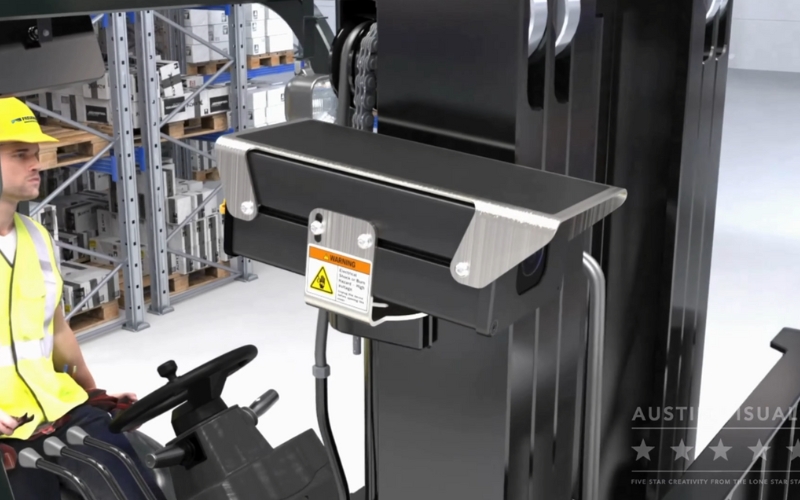
If your business builds physical devices—sensors, satellites, automotive components—a 3D render can show intricate product interactions without requiring a live demonstration. You can “explode” a device to show its inner components or animate internal processes to give stakeholders a full picture.
Motion Graphics for Data and API Visualization
Motion graphics are perfect when your story involves data flows, cloud architecture, or backend systems. They help reviewers visualize hidden layers like server communication or permissions management. That’s especially useful for enterprise sales teams tackling procurement or compliance questions.
Choosing the Right Animation Studio: Why Austin Visuals?

Working with a qualified animation team saves time and improves outcomes. At Austin Visuals, we bring two decades of experience translating complex technologies into clear messaging that wins deals. Our staff includes more than 29 professional artists, developers, animators, and marketing experts.
We’ve served clients ranging from Fortune 500 brands to research institutions like NASA. Whether you’re creating your first explainer or upgrading outdated training visuals, our approach ensures the final product feels tailor-made to your audience and your business model.
Every visual we build is grounded in strategy. You won’t just get a pretty animation—you’ll get one that converts leads, educates partners, and speeds up adoption.
With fast turnaround, flexible pricing, and a proven remote process, Austin Visuals is built to meet tight product launch windows and high-growth demands.
Our Clients include:

How to Get Started: Turn Your Pitch Into a Visual Asset
Our process starts with strategy. We meet with your team to understand your unique selling points, ideal clients, and the core problems you solve. From there, we develop a script that hits your business goals, followed by storyboarding and visual development. During production, we keep you updated to ensure the design aligns with feedback. The final step is a launch-ready visual you can put across slide decks, landing pages, and more.
Whether you’re aiming to boost lead quality, close long-held prospects, or train internal users faster, we guide your content toward those goals. We offer not just production support, but full marketing consulting so that every message lines up with what drives conversion for your business.
Want to create a sales-ready visual tool that works while you sleep? Reach out to Austin Visuals at info@austinvisuals.com or call +1-512-591-8024 right now to schedule a no-cost strategy session.
Frequently Asked Questions (FAQs)
How long does it take to create a tech explainer animation?
Turnaround time varies by project size, but most explainer animations take between 3 to 5 weeks, from concept to final delivery. Timelines can often be adjusted for urgent launches.
Can animation help us attract investors or secure funding?
Yes. Investors need clarity just as much as end customers. Well-produced visuals show your product’s strengths in a format venture teams can quickly digest, especially when reviewing multiple pitches.
We have limited tech experience on our marketing team. Can you still help?
Absolutely. Our experts work with you to simplify messaging based on the technical detail you provide. You don’t need a 30-page brief to start—just an idea and a 30-minute call is enough to begin.
Do you only work with large companies?
No. While we regularly work with enterprise and Fortune 500 organizations, we also support startups and mid-sized tech firms. The common factor isn’t company size—it’s the need to clearly explain a complex product or system. Our process scales to fit both early-stage and mature businesses.
Can animations be reused across sales, marketing, and onboarding?
Yes. One of the biggest advantages of animation is reusability. A single explainer can be adapted for sales decks, landing pages, investor presentations, onboarding portals, and trade shows. We design visuals with long-term use in mind so they continue delivering value well beyond the initial campaign.
What if our product changes frequently?
We plan for that. Animations are built modularly, allowing updates to specific sections without redoing the entire video. This makes it easier and more cost-effective to reflect feature updates, UI changes, or new integrations over time.
Will animation replace live demos or sales calls?
No—but it will make them far more effective. Animation sets the foundation by establishing clarity early, so sales conversations can focus on fit, pricing, and next steps rather than basic explanations. Teams that use animation often report shorter sales cycles and fewer follow-up calls.
Have a Project to discuss? Use this form to Contact Austin Visuals