Introduction
Oil and Gas companies are rethinking how they communicate cutting-edge processes, especially as automation and digital technologies evolve. Decision-makers face mounting pressure to reduce downtime, increase safety, and stay competitive. In this high-stakes environment, visual clarity isn’t just helpful—it’s essential.
This is where 3D animation enters the picture. Used effectively, it bridges the gap between complex operations and audience understanding. Whether explaining a subsurface workflow or showcasing a new automation system, 3D animation helps stakeholders understand quicker, act confidently, and commit resources faster.
Looking to stay ahead of the curve? Talk to the experts at Austin Visuals and start visualizing your digital transformation today.
Why Oil & Gas Leaders Are Turning to 3D Animation
With new technologies transforming the oil and gas industry, traditional communication tools like static diagrams and lengthy PDFs are being reevaluated. These methods don’t always get the job done when your audience is trying to follow complex steps or visualize multi-part machinery at work. Leaders are asking for something clearer, more scientific, and more dynamic.
3D animation offers just that. These visualizations help technical and non-technical audiences interact with advanced industrial processes in a way that’s easy to follow. Whether it’s a refinery upgrade, remote monitoring system, or a new phase of drilling automation, animation helps clarify how things work and why they matter.
As the industry continues moving toward digitization and automation, videos that show systems in motion—backed by accurate data and realistic design—help drive adoption internally and externally.
What Challenges Does the O&G Industry Face with Digital Transformation?
The energy sector is heavy with technical information. Explaining that information clearly can be difficult. Reports with too much text or static images often fall short. That’s especially true when you’re trying to explain evolving processes like AI-powered inspection drones, subsurface analytics, or predictive maintenance platforms.
Another roadblock is internal training. Oil and gas operations involve dozens of safety concerns and operational protocols. Delivering training that’s consistent, scalable, and engaging across multiple locations is not always easy with traditional media.
Moreover, downtime can affect not just productivity, but the bottom line. When delays happen because someone didn’t fully understand a system or got confused by improper documentation, the cost rises. Delayed buy-in from decision-makers or misunderstood workflow changes create further problems.
At Austin Visuals, we’ve helped clients communicate these challenges by showing operations clearly—from mechanical actions to control systems and drilling processes—turning uncertainty into clear direction.
How 3D Animation Solves Common Oil & Gas Visualization Problems
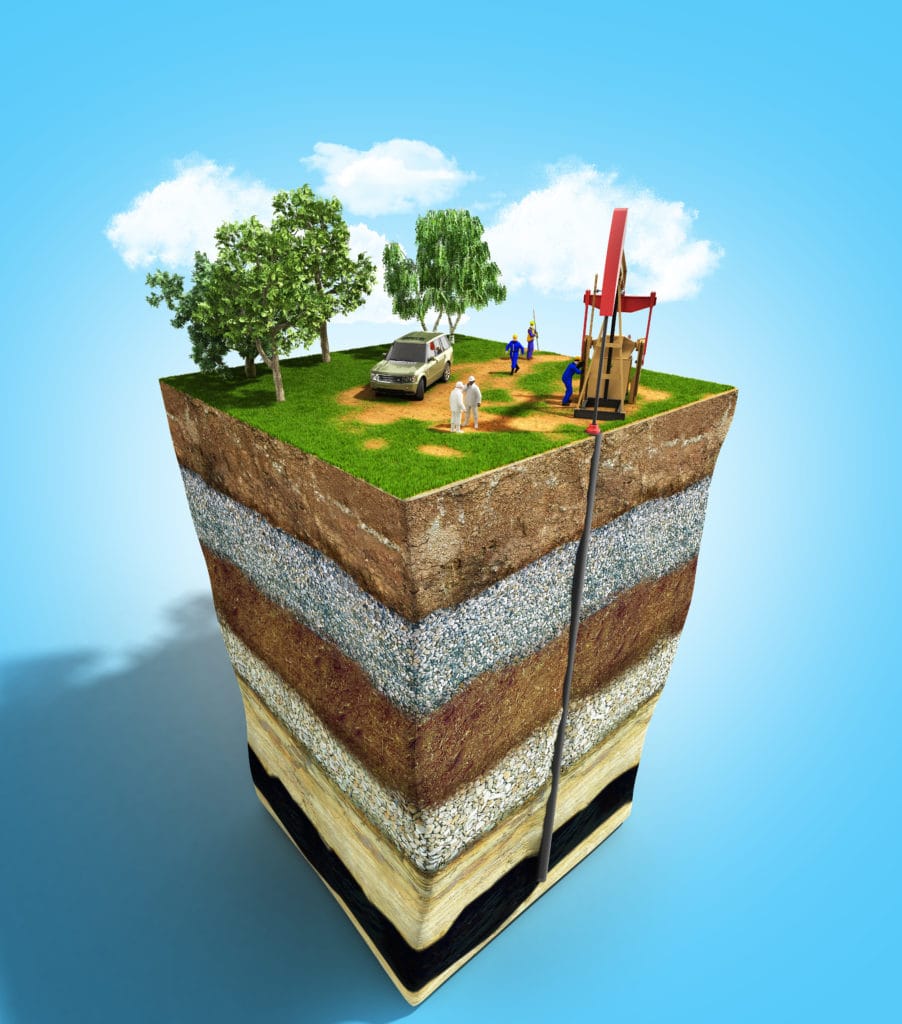
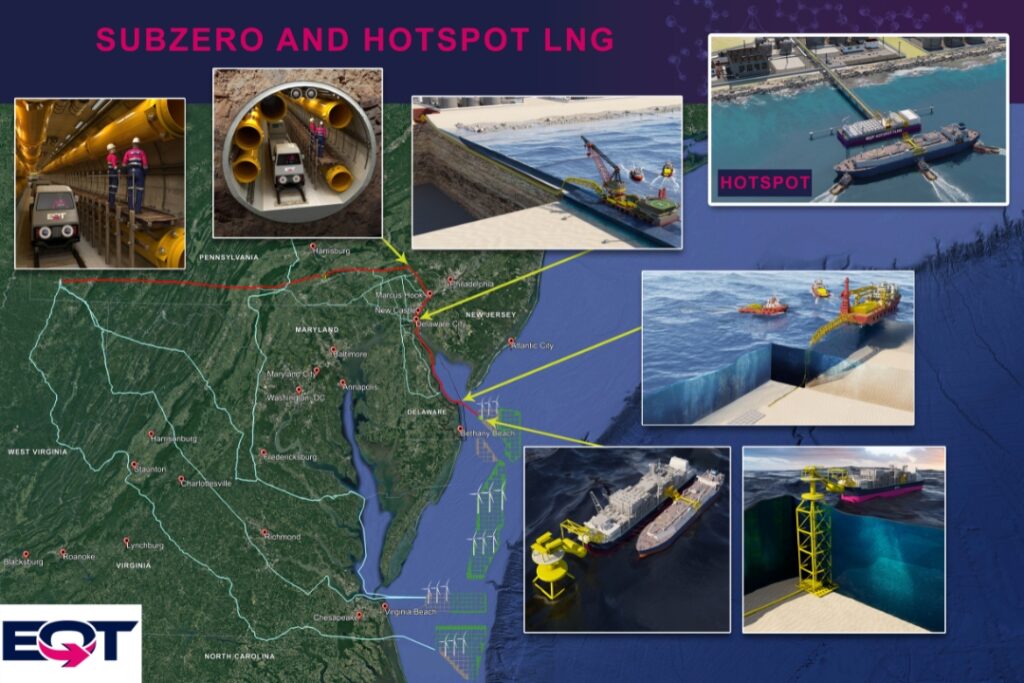
3D animation goes beyond graphics by simulating real-world scenarios in a controlled digital environment. With it, teams can walk through a new system rollout or safety process without setting foot in the field. Viewers see how components move, how systems interface, and how errors are avoided.
Need to explain mud logging on a tight timeline? We can animate it. Want to show what AI-based rig controls look like in use? Done. Whether you’re dealing with legacy equipment or developing smart wells, showing beats telling every time. This is especially true when the information flow crosses departments, time zones, or skill sets.
Animation lets you present the same concept to different audiences—engineers, operators, executives, and investors—and adjust the complexity level while keeping the visuals consistent.
With Austin Visuals as your animation team, you’ll reduce the time it takes to communicate oil and gas systems—while increasing the chances your message lands with clarity.
When Should O&G Companies Use 3D Animation?
There’s no single trigger moment, but several scenarios call for visual support through animation. One of the most common is during product development or equipment launches. When you want investors to understand new prospects, 3D visualizations turn conceptual ideas into concrete images.
Another important application is internal training. As field workers deal with evolving equipment, new safety protocols, and integrated digital platforms, it’s easier to watch and understand through animations than read long text descriptions. These videos can be used across facilities and modified as systems change over time.
Companies pushing digital transformation also benefit from 3D video when presenting their innovations to senior leadership. A visual walkthrough of your automation strategy during a board meeting will communicate value faster than a slide deck ever could.
At conferences and trade shows, a strong 3D presentation attracts booth traffic and positions your brand as a technology leader. These visuals also adapt well for virtual showrooms and sales meetings done over Zoom or Teams.
We’ve worked with clients across drilling, refining, and renewable sectors—creating precise, clean visuals that generate results. Ask us about our case studies in petroleum software, shale operations, and automation training.
What Makes Austin Visuals the Right Animation Partner?
Based in Texas, we know the energy business. For more than 15 years, we’ve helped oil and gas companies simplify complex data and processes using 3D animation. Our team includes 29 full-time artists, designers, and animators working in-house to deliver customized visuals that solve real challenges.
We’ve built visuals for NASA, Shell, John Deere, and Discovery Channel—demonstrating our range and technical accuracy. Whether you need a one-off video or an ongoing training series, we have the experience and infrastructure to meet your needs.
Cost is always a factor. Our remote teams streamline delivery through smart scripting, milestone scheduling, and transparent pricing—reducing overall production timelines and cost overruns. From raw concept to finished multimedia, Austin Visuals manages every step.
If you’d like to see how we adapt visuals for your unique process, reach out. Let us guide you—from camera angles to final edit.
Our Clients include:

Comparing Animation Types for Oil & Gas Projects: 2D vs. 3D vs. Motion Graphics
Different visuals serve different functions. A 2D explainer can work well for high-level concepts aimed at public or sales teams. These animations rely on iconography and flat illustrations, which are fast and cost-effective to deploy. They’re great when precision geometry isn’t required.
For more technical visuals, especially ones showing moving parts, mechanics, or simulations, nothing beats 3D. These videos can show detailed cutaways of machinery, simulate underground exploration paths, or present exact sensor behavior over time.
Motion graphics sit somewhere in between. They add kinetic movement to charts, overlays, and infographics—perfect for supervisory dashboards or executive summaries. Often, the best approach combines all three. 3D animation for core visuals, 2D motion graphics for stats, and text overlays for clarity.
Austin Visuals works with your internal tech and marketing teams to determine the best visual type for the message you need to deliver. From wireframes to walk-throughs, we help you get the mix right.
How to Get Started with Austin Visuals for Your O&G Animation Project
We start with a simple discovery call. You tell us about your needs, timelines, and audience. From there, we propose script outlines and initial visuals to frame the message. Once approved, our artists begin modeling, scene building, and animation—keeping delivery milestones visible and predictable from day one.
We work remotely with teams globally but are always available for check-ins. You’ll receive previews at every phase, and adjustments are made as needed. Budgets and deadlines are finalized up front. We work fast, communicate often, and respect your technical input.
Once the project wraps, you get ongoing support. Whether that’s formatting assets for a new platform or tweaking the visuals for a different language or audience, we offer continued engagement after delivery. Your investment goes further, and your animation remains future-proof.
Want to launch your project with clarity and confidence? Email info@austinvisuals.com or call +1-512-591-8024. We’ll shape your idea into a clean visual message that works.
Frequently Asked Questions
How long does a typical oil and gas animation take to produce?
Most 3D animations take between 3 to 6 weeks, depending on complexity. More detailed models and longer videos may take longer. We work to your schedule and offer incremental delivery updates so you stay informed.
How do you ensure technical accuracy?
We start with your data. Whether that includes schematics, CAD drawings, or workflows, our team reviews and builds visuals around exact reference. Our producers work closely with your engineers to ensure every movement and interaction reflects real-world behavior.
Can we update the animation later if our system changes?
Yes. Our original project files are built with future versioning in mind. As systems evolve, we can adjust the animation quickly—saving you from having to create new assets each time.
Do you create multilingual versions of the same animation?
Absolutely. We can localize narration, subtitles, and graphic text for global deployments.