

Introduction
The oil and gas industry is changing direction. Operations are becoming more technical, and teams are looking for ways to communicate complex engineering concepts clearly across departments and global locations. Words and static diagrams are no longer enough. Animation, especially the kind driven by engineering precision, is reshaping how companies train personnel, explain systems, and make safer, data-driven decisions on the field. In this article, we shine light on how oil and gas companies will rely on engineering-grade animation by the year 2026, and how Austin Visuals is already helping teams get future-ready today.
If you’re seeking a modern way to explain technical processes, improve safety outcomes, or streamline project communication, now is the time to invest in animation. Contact our team for a custom consultation at info@austinvisuals.com or call +1-512-591-8024.
Why the Oil & Gas Industry is Turning to Animation
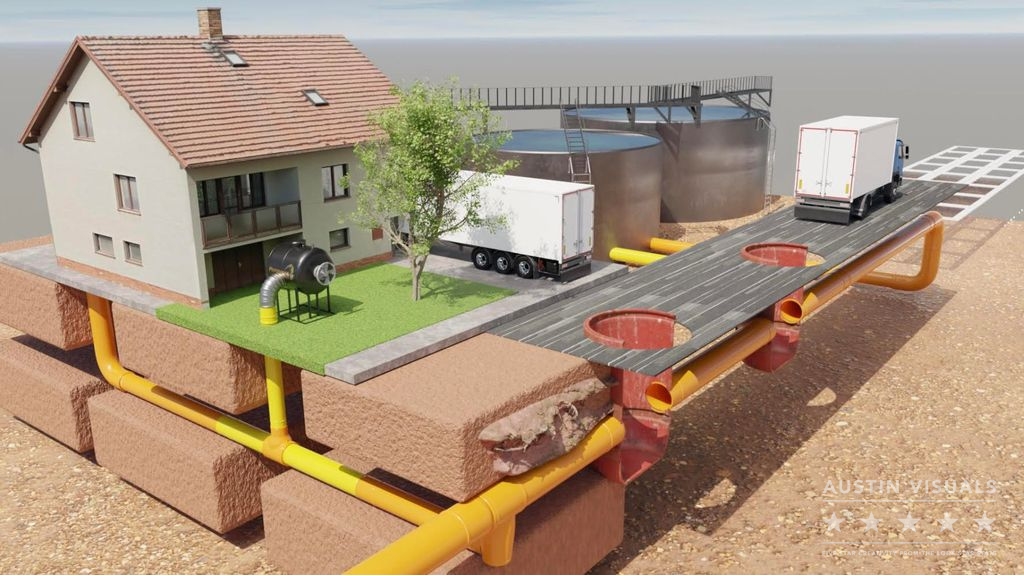
Oil and gas workflows are not only complicated by nature — they’re also sensitive to safety, time, and financial risk. Field investigations, mining operations, refinery steps, offshore logistics — each of these involves high-stakes decisions under pressure. For decades, companies relied on text-heavy manuals, flat diagrams, or technical documentation that only trained engineers could decipher. That approach is beginning to fade.
As teams grow more global and equipment more connected, clear visual communication is essential. Whether it’s stakeholders needing project approval or field teams seeking fast training, animation answers those needs. Advances in visualization tools, coupled with the rising costs of errors in design and safety, encourage companies to move toward data-driven animation tools that show systems in motion with accurate scale and engineering detail.
What Is Engineering-Grade Animation and Why Does Accuracy Matter?
Animation is often associated with marketing or entertainment. But when it comes to the oil and gas field, precision isn’t just helpful — it’s required. Engineering-grade animation refers to detailed visual models that reflect real-life dimensions, functions, and mechanical interactions as accurately as possible. These aren’t cartoons. These are designed from CAD files, field data, and real specifications sourced from engineers and project managers themselves.
This matters because oil and gas teams can’t afford miscommunication. A standard animation might “suggest” how a compressor valve works, but an engineering-grade animation shows exactly where stress points exist, which parts might fail, and how fluid dynamics behave inside a system. These animations are typically used in training, safety briefings, legal reviews, system design meetings, and international collaboration where language barriers could limit understanding.
Top Applications of Technical Animation in Oil & Gas for 2026
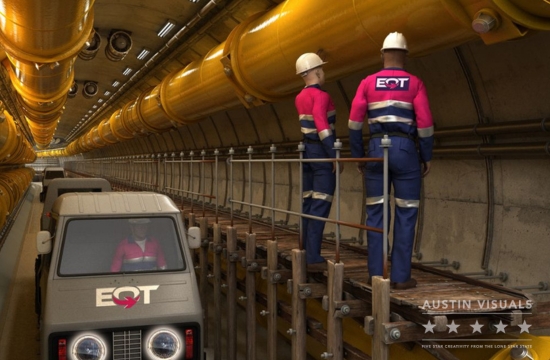
In recent years, digital adoption has improved across most oilfield services. But by 2026, leaders predict that visual modeling will move beyond a nice-to-have and become part of core operations. Here’s how companies are expected to put engineering animation to use over the next two years.
Training and Safety
One of the biggest uses of animation in oil and gas is safer training. Animations make it easier for technicians to practice repair protocols, emergency procedures, and hazard prevention in a controlled, visual format before entering the zone. Unlike PDF training packets, animated sequences make retention easier and more consistent.
Visualizing Equipment and System Behavior
Whether it’s a subsea blowout preventer or a hydraulic pump, machines in oil and gas work under tough conditions. Understanding how internal components move under load, pressure, or temperature is one of the best uses for 3D engineering-grade animation. In fact, animations can often uncover design risks that don’t show up on a flat schematic drawing.
Remote Work and Digital Twins
As digital twins gain popularity, teams now model entire processing plants or pipelines in real-time 3D. These digital models update daily, based on ever-changing onsite data. Engineering-grade animations are used to simulate changes, show maintenance schedules, or identify weak points in the asset before a failure happens — all without travel or downtime.
Immersive Field Walkthroughs via AR and VR
Augmented and virtual reality are no longer experimental. With accurate visuals, teams can conduct walkthroughs of well pads, chemical processing units, or underwater sites without leaving the training room. These VR-ready animations reduce travel costs and make approvals quicker while still preserving grid accuracy and layout spacing.
When Should Oil & Gas Companies Invest in Animation?
Animation isn’t just for presentations. Teams using animation early in a development cycle — from the design phase to commissioning — often catch mechanical inefficiencies or layout risks before equipment is purchased. This early investment can cut months off planning and potentially save millions.
It’s also useful to re-evaluate training or onboarding materials every five years. If your company is still using 2014 procedure videos or printed field guides, then you’re likely missing opportunities to prevent accidents or improve technician speed. Another ideal time is when companies expand into overseas markets. Engineering animations can simplify multilingual training and reduce field errors caused by misinterpretation.
How Austin Visuals Builds Custom Engineering Animations

Since 2007, Austin Visuals has worked with technical teams in oil and gas, aerospace, industrial design, and defense. What makes our animations different is the focus on both visual appeal and engineering discipline. Every animation is designed using real mechanical specifications and reviewed by professionals with technical backgrounds to ensure high fidelity and accuracy.
We don’t just animate cool visuals. We provide communication tools that engineers, EH&S officers, and project managers actually use. Some clients have included energy firms, NASA, oil field service companies, and field equipment producers. Whether it’s condition monitoring, drilling processes, or lifecycle analysis, we help bring clarity to your message. Our team of 29 Texas-based professionals manages projects from start to finish — remotely, on budget, and always built for accuracy.
Our Demo reel 2025
Solving Common Animation Challenges for Oil & Gas Teams
Many oil and gas leaders hesitate at the idea of producing custom animations because of previous challenges. We solve those.
Complex Data Files
If your team is dealing with CAD drawings, sensor data, or design formats that seem too technical to visualize, we translate those into accurate yet easy-to-understand sequences. From 3D renderings to motion physics, we simplify your data — without watering it down.
Scalability Across Teams
Some firms need animations that work across different job titles or languages. That’s why we offer modular animation pieces that can be localized or re-used for different groups — including maintenance, compliance, C-suite, or technicians in the field.
Accuracy and Engineering Trust
Unlike stock animation agencies, we work closely with subject matter experts to match every component against the real-world object. Nothing is guessed. Every valve, pipe path, and material grade matches the information you approve — so your engineers can stand behind it confidently.

Ready for 2026? Start Planning Your Animation Strategy Now
The shift to precision animation in the oil and gas world is already underway. While some companies wait to modernize, others are using animation right now to reduce hazards, improve presentations, win bids, and guide smarter decisions. Planning animation efforts in advance also keeps costs lower and implementation faster. Designing for compatibility with AR, mobile training, or cloud platforms brings future-ready flexibility.
Austin Visuals can help you prepare with easy onboarding, transparent pricing, and unmatched technical quality. Whether you’re designing a virtual field guide, simulating product lifecycle, or preparing presentations for agencies or investors, our animations are built for serious work — and built to last.
Reach out to our experienced team today to discuss what engineering-grade animation could mean for your company. Email us at info@austinvisuals.com or call +1-512-591-8024. Let’s bring your data to life.
Frequently Asked Questions
What makes engineering-grade animation different from regular 3D animation?
Engineering-grade animation is based on real measurements, physics, and mechanical data. It’s built for technical use cases, not just visual appeal. Accuracy is essential for training, compliance, and internal reviews.
Do we need to supply 3D files or blueprints?
Supplying CAD files or mechanical drawings helps speed the process, but it’s not required. Our team can build models from photos, technical plans, or verbal specs provided by your engineers.
Can these animations be used in virtual reality training?
Yes. We design our animations with VR headsets, AR applications, and mobile training systems in mind. This makes future deployment much easier across multiple devices.
Is the animation process disruptive to our engineers or production team?
Not at all. We handle everything remotely and minimize the time needed from your experts. Most clients only need to be available for a few key check-ins and approvals.
How long does it take to build an engineering-grade animation?
Depending on complexity, timelines can range from 2 to 6 weeks for most projects, with larger simulations or VR-ready sequences taking 8–10 weeks. We provide a detailed timeline after reviewing your goals and materials so your production schedule stays predictable and on budget.
Have a Project to discuss? Use this form to Contact Austin Visuals