Introduction
As the medical device industry keeps evolving, one thing remains clear in 2026: visuals play a larger role than ever. Marketers don’t just need appealing images—they need accurate, scientific, and regulatory-compliant animation that delivers results. That’s where clinical-grade 3D animation comes in. Whether you’re preparing an FDA submission, training surgeons, or launching a product at a global conference, animation is often your first impression—and it’s either building trust or raising eyebrows. Choosing the right animation partner can be the deciding factor.
If you’re ready to make your complex medical device simple, clear, and compelling through 3D animation, connect with our team or call +1-512-591-8024 to get started with a free consultation.
What Is Clinical-Grade 3D Animation and Why Does It Matter?
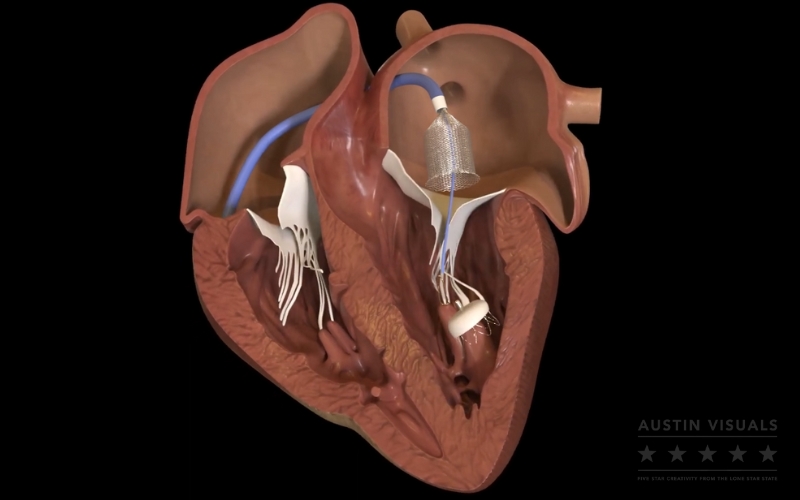
Clinical-grade 3D animation goes beyond surface visuals. Instead of just making a product look impressive, it accurately shows how medical technology interacts with human anatomy at a scientific level. These animations are designed for audiences who expect precision—surgeons, biomedical engineers, investors, and regulatory reviewers.
Unlike general 3D animation, clinical-grade work requires input from medical consultants, strict attention to anatomical accuracy, and familiarity with the kinds of visuals needed in regulatory documents or medical education. For example, animations used in an FDA 510(k) submission may need to show biomechanical action or simulate movement inside the body without misrepresenting outcomes. That level of technical clarity can’t be faked—it must be built by a team that understands both animation and biomedical language.
Whether you’re demonstrating how a catheter feeds into a ventricle or marketing a spine implant, visuals help reduce friction during communication. Showing what words can’t express speeds up comprehension across surgeons, sales teams, and decision-makers. Strong visuals increase investor trust and help customers say “yes” faster.
Why 2026 Will Be a Big Year for Medical Animation
This year, the pressure is rising for medical device companies to show—not just tell. Medical buyers and healthcare systems demand better product understanding in less time. Animation gets that done when it’s accurate, fast, and clear.
Mixed reality and AR/VR are also pushing 3D visuals into everyday clinical training and patient education. Simulations of procedures, implantations, and internal systems are no longer optional—they’re becoming the standard. And with more companies selling devices internationally, localized visual content using 3D animation is critical in removing culture and language barriers.
Regulatory bodies, both in the U.S. and globally, are also tightening standards. This means models must follow proper scientific review and provide documentation support, not just flashy imagery. Medical marketers need to ask animation studios: Are you ready for 2026’s expectations, or still stuck in 2020?

Top Challenges Medical Device Marketers Face & How to Solve Them
Let’s be honest—3D animation projects in healthcare come with pain points. Many medical marketers share three key frustrations:
- “We can’t find studios that understand our terminology.” That’s because clinical 3D has a learning curve. If your vendor doesn’t have biomedical knowledge or medical consultants on staff, your animation will need rounds of fixes—and might still get rejected.
- “Revisions are slow and expensive.” When a studio isn’t built for medical work, even small revision requests take days. Deadlines slide, and your launch gets delayed. Look for teams that work in phases and offer realistic timeframes backed by experience, not guesswork.
- “We missed our compliance window because of the animations.” When accuracy matters, timing matters too. A rushed animation that doesn’t follow required device labeling or clinical truth can cause pushback from regulators or even require re-submission.
Working with an experienced medical animation studio that offers transparent processes, schedules, and review checkpoints helps avoid these issues entirely. It comes down to picking a partner, not just a vendor.
How Clinical 3D Animation Boosts Sales, Training & Investor Buy-In
A strong clinical-grade animation doesn’t just look good—it moves people to act. Whether you’re showing innovation during a Series B pitch or explaining to a physician how to use your minimally invasive device, clear visuals build trust fast.
Here’s what medical device marketers have noticed when they use smart 3D animation:
- Trade show booths get longer dwell times. People stop and ask questions because they see the device’s movement and use case instantly.
- Sales reps train faster. Instead of hours of lecture or slide decks, new team members see exactly how the device is inserted or activated.
- Investor decks get more attention. Showing product impact inside the body—especially for complex biotech—clarifies your technology in seconds.
One example: In partnership with LDR Spine (now part of Zimmer Biomet), animation helped demonstrate lumbar implant mechanisms to orthopedic surgeons worldwide. The result? Faster acceptance and smoother onboarding across distributed teams. High-quality visuals made clinical training more effective—and showed the company as a leader.
What to Look For in a 3D Animation Studio in 2026
As a medical device marketer, you don’t want just any animation. You need an expert team that understands health science and can deliver at the speed your company moves. Here’s what to prioritize in 2026:
- Scientific integrity. Ensure the studio uses reviewers or consultants with clinical or scientific backgrounds. Your animation should pass peer review, not just a creative director.
- Process control. Look for structured steps, from script to storyboard to modeling and texturing. This improves predictability and reduces revision costs.
- Communication. If you’ve worked with freelancers overseas before, you know communication breakdowns happen. Choose partners who can provide USA-based project management and fast turnaround.
- Flexible scope. Whether you’re building one animation or ten over the next year, your studio should scale with you. Can they handle both startups and global firms?
- Pricing transparency. Quality medical animation ranges in cost depending on run time, detail level, and use case. Choose teams that explain cost drivers clearly—not ones who lowball then overcharge later.
Why Medical Brands Choose Austin Visuals (Texas-Based, Globally Trusted)
For over 20 years, Austin Visuals has supported top healthcare firms with human anatomy animations, surgical device demos, and biotech explainer videos. Our team includes not just 3D artists but medical consultants, engineers, and project leads who specialize in medical subjects.
Our clients include NASA, the Discovery Channel, BCG, and multiple FDA-registered device makers. Whether you’re marketing a wearable, a Class III implant, or a bioresorbable scaffold, we know how to communicate that story clearly and visually.
We work internationally while offering centralized project control out of Austin and Dallas. Our artists and medical reviewers collaborate to make sure every detail—down to soft tissue behavior or hemodynamic modeling—is consistent with clinical expectations.
Our projects follow a defined 5-step process, including precision scripting, 3D modeling, visual rendering, animation, and compliance review, making sure your deadlines stay on schedule.
Our Clients include:

Ready for 2026? Let’s Bring Your Device to (Visual) Life
Don’t let complex technology confuse your audience. Partner with experts who can turn science into visuals that do the hard work for you. Show what words can’t explain—and do it right the first time.
Whether you need one animation or ongoing content across your product line, we’re here to help. Call our American-based team at +1-512-591-8024 or email info@austinvisuals.com to request a no-pressure quote or animation review. We support multiple file formats, white-label options, and multi-language versions for international markets.
FAQs About Clinical-Grade Medical Animation
What is the timeline for a medical device animation project?
Most projects run 3 to 6 weeks depending on complexity. That includes scripting, modeling, visual design, animation, and feedback rounds.
How much does medical 3D animation cost?
Prices vary by length and detail level. Expect around $4,000 to $15,000 for 60–90 second clinical animations at industry standards.
Do you offer voiceover or localization for global rollouts?
Yes. We specialize in translating both the visuals and messaging for Asian, European, and Latin American markets using native-speaking professionals.