
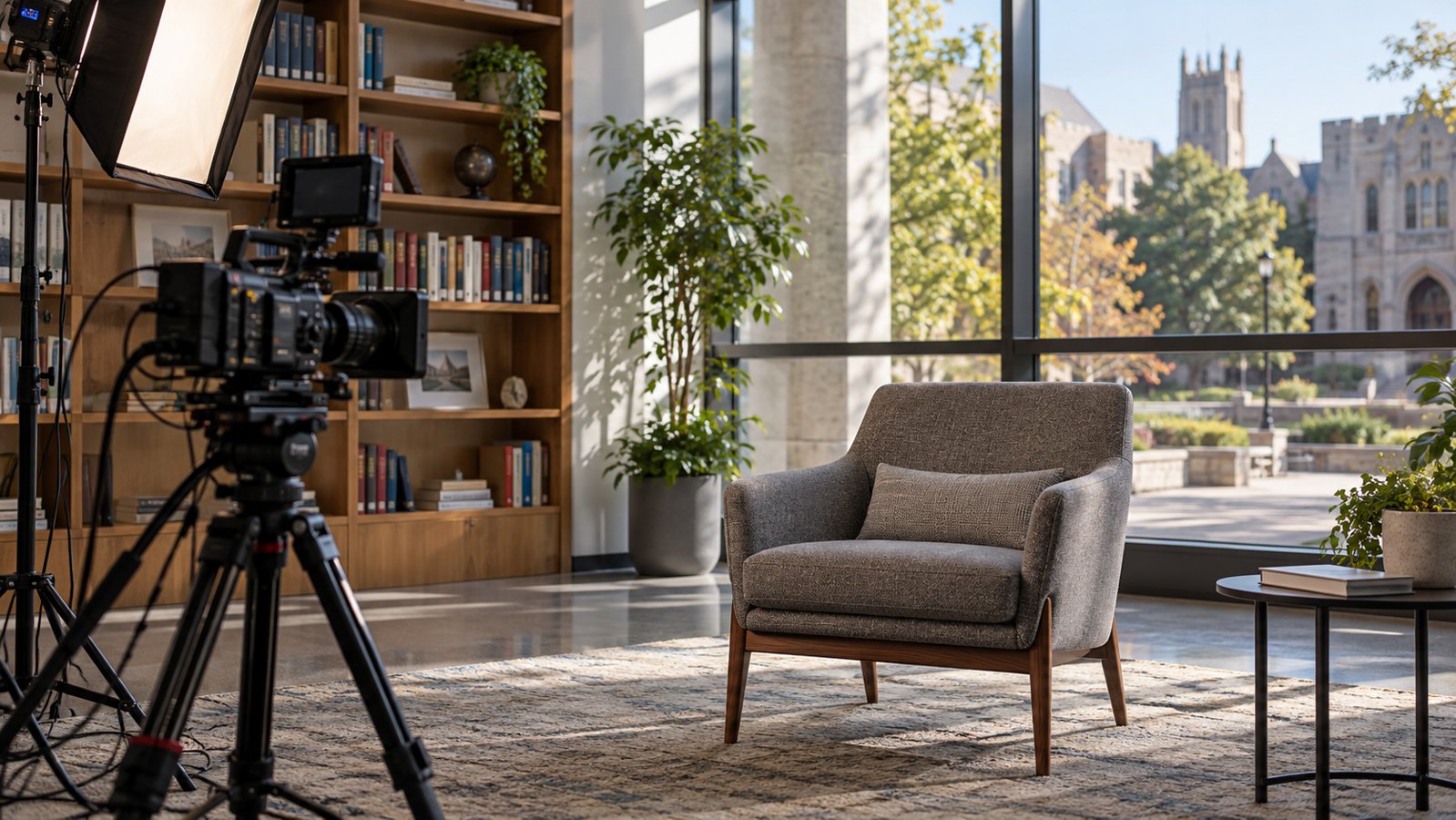
Institutional video production turns an organization’s purpose, work, and evidence into a film for a defined audience. A useful project starts by deciding who needs the information, what they need to understand, and who can approve the story. Those decisions matter when a university, association, foundation, or public-facing organization has several departments contributing to the same video.
Austin Visuals offers video production and animation services that can support an institutional story through interviews, location footage, and explanations of processes that a camera cannot easily show. This guide explains how to prepare a brief, organize stakeholders, compare production proposals, and deliver a film your communications team can maintain.
Planning an institutional film? Share your audience, intended use, and approval requirements with info@austinvisuals.com, or call (512) 591-8024.
What should institutional video production accomplish?
Institutional video production should help a specific audience understand an organization and take an appropriate next step. An overview film might introduce its mission; a program video might explain eligibility, participation, or the work a team performs.
The label covers different assignments. A prospective student needs a different explanation from a donor, employee, or partner. Giving every audience equal space in one film often produces a sequence of departmental introductions with no clear direction. Choose the primary viewer before selecting speakers or locations.
Write a practical purpose statement: “After watching, prospective partners should understand how our research program works and where to ask about participation.” That sentence gives reviewers a basis for deciding whether a proposed scene belongs. A historical milestone may be important internally yet unnecessary for that viewer’s decision.
Institutional storytelling also needs a boundary around what the film can demonstrate. Images of busy facilities can show activity. They do not establish the effectiveness of a program. If the script makes an outcome claim, identify the evidence and the person responsible for checking it before recording narration.
Agree on the brief before collecting interviews
An institutional video brief should define the audience, central message, supporting evidence, deliverables, and approval owner. It is the reference document for both the production team and the departments reviewing their work.
Keep the initial brief short enough to read in a meeting. Attach background documents separately and identify the passages that matter. Sending a producer an entire archive without priorities transfers the editorial decision to someone who may not know which information is current.
| Brief item | Decision to record | Why it matters |
|---|---|---|
| Primary audience | Who will watch and what they already know | Sets the level of explanation and vocabulary |
| Main message | One sentence the viewer should remember | Helps resolve competing requests for screen time |
| Evidence | Approved facts, demonstrations, and source owners | Gives the editor material that supports the story |
| Distribution | Website, presentation, social channel, or internal platform | Determines versions, framing, and delivery files |
| Approval | Who consolidates feedback and authorizes release | Prevents contradictory instructions reaching the editor |
| Maintenance | Which facts may change and who will review them | Makes later updates easier to scope |
A university video production brief, for example, may distinguish the enduring program story from admissions dates that change each year. Keep temporary information in a replaceable closing section or on the linked webpage when that suits the viewer’s needs. Avoid embedding changing details throughout interviews.
Give each stakeholder a defined review role
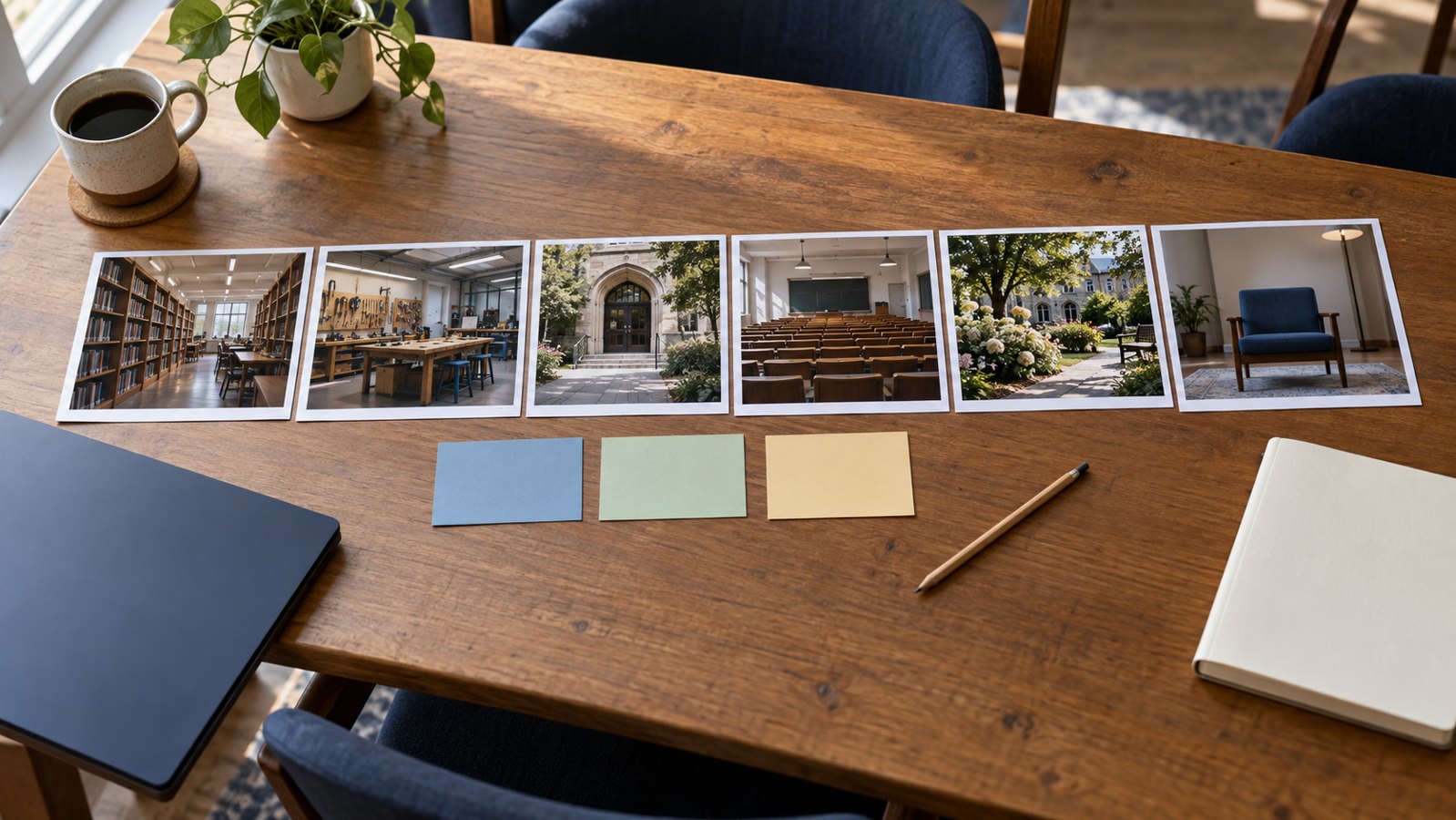
A workable review process separates factual review, editorial feedback, and final approval. Each reviewer should know what they are responsible for and which version they are reviewing.
The communications lead can own the audience and tone. A program specialist can verify how the work is described. A brand reviewer can check names and identity standards. The final approver resolves disagreements. In a small organization, one person may hold several roles; the decisions still need to be explicit.
Collect comments in one place with time references and a reason for each requested change. “Replace this figure because the current report uses a different reporting period” gives the editor an actionable instruction. “This does not feel right” needs a follow-up discussion before work proceeds.
Schedule approval at the outline, script or interview plan, rough cut, and final delivery stages. A late request to change the audience can require new footage, animation, or narration. Treat that as a scope decision with a revised estimate rather than trying to absorb it into a routine editing round.
Set response windows that reflect actual staff availability. A production schedule cannot assume that a committee will approve a film while its members are traveling. Identify an alternate decision-maker if the launch date cannot move.
Build the story from specific evidence and useful voices
A convincing institutional film connects a clear purpose to visible work and relevant first-person explanations. Choose speakers for the knowledge they contribute, then gather footage that makes their explanations easier to understand.
Prepare interview topics instead of asking everyone to recite the same mission statement. A program leader can explain the need being addressed. An operations specialist can describe what happens during participation. A participant may describe their own experience if the organization has arranged appropriate permission and the account is suitable for publication.
Ask concrete questions: What happens first? Where do people get confused? What changed in the process? Which example can we show? Follow-up questions usually produce clearer answers than asking a speaker to “talk about excellence.” Avoid prompting people to make claims they cannot support.
For a hypothetical community learning program, a sequence could follow registration, preparation, a workshop, and the next step for a participant. That structure explains the service without requiring every department to deliver an opening speech. It is a planning example, not a report of Austin Visuals client results.
Archive footage can add context, but check its date and meaning. A shot of an older facility should not imply that it shows the current location. Label historical material where needed, and keep a source record for photographs, graphics, and clips.
Plan filming, animation, and access together
The production plan should connect each important statement with a feasible visual. Use live footage for people, places, and observable work; consider animation when the explanation involves an invisible process, an abstract relationship, or a future proposal.
Walk through locations before finalizing the shot list. Check noise, available space, natural light, operating hours, and whether filming would interrupt the activity being shown. An attractive lobby may be a poor interview location if doors, phones, and conversations make speech difficult to record.
Provide a filming contact who can coordinate rooms and staff. Confirm which areas and materials may appear on camera, including background screens and noticeboards. Resolve participation permissions and location requirements with the organization’s responsible staff before the crew arrives.
Animation needs its own review materials. Supply approved diagrams, terminology, and reference information. For a research visualization, distinguish an established process from a simplified model or proposed concept. Review the storyboard and visual logic before approving detailed animation.
Georgia Tech Library’s preproduction guide describes scripting as a plan for dialogue, actions, and scenes. For institutional work, extend that plan with a named source and reviewer wherever a scene carries an important factual claim.
Specify accessible versions and a maintainable handoff
Delivery should include the versions people will actually use, together with the files needed to publish and update them. Decide on captions, transcripts, language versions, and screen formats before editing reaches the final stage.
The W3C guidance on accessible audio and video addresses captions, transcripts, and descriptions of visual information. Apply those considerations during planning: an essential chart shown silently may need spoken explanation or another accessible equivalent. Have a reviewer check names, technical terms, and speaker identification in captions.
A full institutional film and a short social excerpt serve different viewing situations. An excerpt needs enough context to stand alone. It may require a new opening, a different closing instruction, and reframing of footage rather than a simple crop of the longer video.
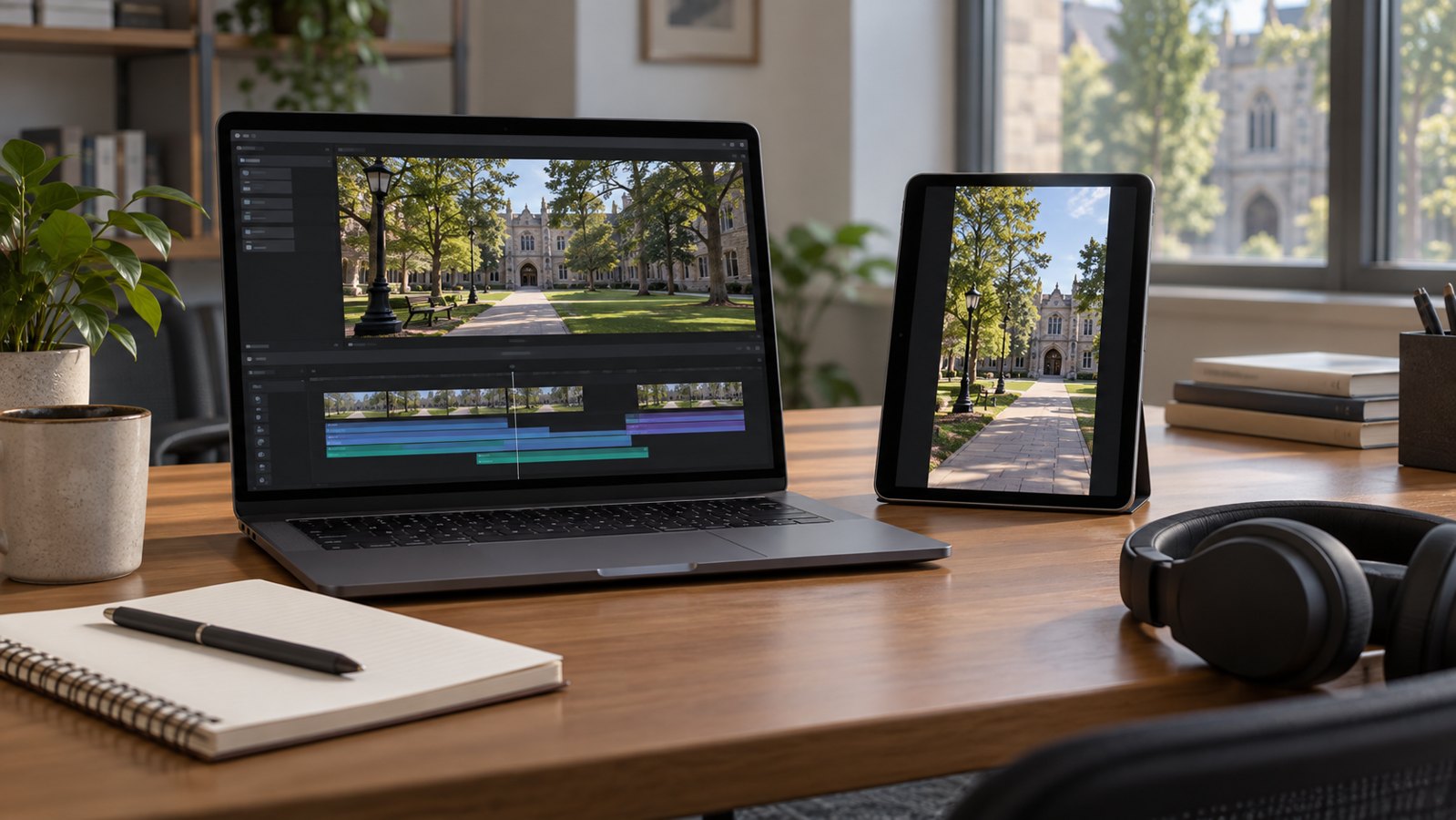
Ask the proposal to identify final exports, caption files, transcripts, music permissions, and any source files included in the handoff. Agree on archive duration and the process for requesting changes. Project files may depend on licensed fonts, plugins, or media, so “editable files included” should have a precise meaning.
Keep a simple version record with the approval date, intended audience, and owner. When a program changes, that record helps the communications team locate affected videos instead of discovering an outdated statement during a public presentation.
How Austin Visuals helps with institutional films
Austin Visuals provides corporate video production services spanning planning, filming, editing, and visual communication. An institutional assignment can draw on those capabilities while using the organization’s own subject-matter reviewers to check accuracy.
Start the discussion with your brief, existing footage, approved reference material, and distribution requirements. A project centered on people and facilities may mainly need interviews and location filming. A technical program may benefit from animation that explains a process alongside those interviews.
Ask for a scope that identifies the proposed approach, client-supplied materials, review stages, and deliverables. If you need nonprofit video production for a donor presentation, explain how that audience differs from the public website audience. Separate versions can share footage while making different editorial choices.
For organizations evaluating video production in Austin, location access and reviewer availability should be part of the first conversation. These practical constraints shape the filming plan and are more useful than an unsupported promise about turnaround.
Our Clients include:

Choose a story the organization can approve and maintain
Institutional video production works best when the brief, evidence, and approval process agree. Define the viewer’s need, give each reviewer a clear responsibility, and request deliverables that fit your publication channels. That preparation gives the production team a usable direction and makes future revisions easier to plan.
Planning a film for your organization?
Austin Visuals can help develop an approach for interviews, location footage, and animation around your audience and approved message. Contact info@austinvisuals.com or call (512) 591-8024 to discuss the scope.
Frequently Asked Questions
What is an institutional video?
An institutional video explains an organization’s purpose, work, or programs to a defined audience. It may introduce an institution, support recruitment, explain a service, or communicate with partners and supporters.
How long should an institutional video be?
Its length should follow the audience’s needs and viewing context. A website introduction may need a shorter treatment than a program explanation shown to an engaged audience. Approve an outline and approximate running time before filming.
Who should approve an institutional film?
One designated owner should authorize the final film after the relevant specialists have checked facts, brand requirements, and publication permissions. Consolidated feedback helps the production team avoid acting on contradictory comments.
Can existing interviews and archive footage be used?
Existing material can be used when its quality, permissions, and subject matter fit the current project. Review dates, names, claims, audio, and image quality before assuming that archived footage will support the new story.
What affects the cost of institutional video production?
Cost depends on research, filming locations, crew requirements, animation, editing complexity, review rounds, and delivery versions. Request a proposal that identifies these assumptions and explains how changes to scope will be estimated.
Can one shoot supply videos for several audiences?
One shoot can supply several videos when each version is planned in advance. Identify the interviews, scenes, framing, and closing instructions needed for each audience so the editor has appropriate material.
Related Articles
- Planning video production for complex organizations and products
- How to compare corporate video editing companies
- Corporate video production services and process