
Introduction
Accurate communication of technical ideas can make or break a project. Whether you’re designing heavy machinery, planning a new building, or developing high-performance components, precise 3D visualization plays a major role at every step.
Engineering-grade 3D visualization doesn’t just make your models look realistic—it provides scientific accuracy that helps reduce risks and saves time across the design and production cycles. When decisions depend on technical clarity, the right visualization makes all the difference.
Partnering with a trusted studio means getting the scientific detail your team, investors, or customers need to move forward confidently. Ready to enhance your project with true-to-life clarity and efficiency? Reach out to Austin Visuals today at info@austinvisuals.com or text +1-512-591-8024 to discover the value engineering-grade 3D animation can deliver.
Understanding Engineering-Grade 3D Visualization
What is Engineering-Grade 3D Visualization?
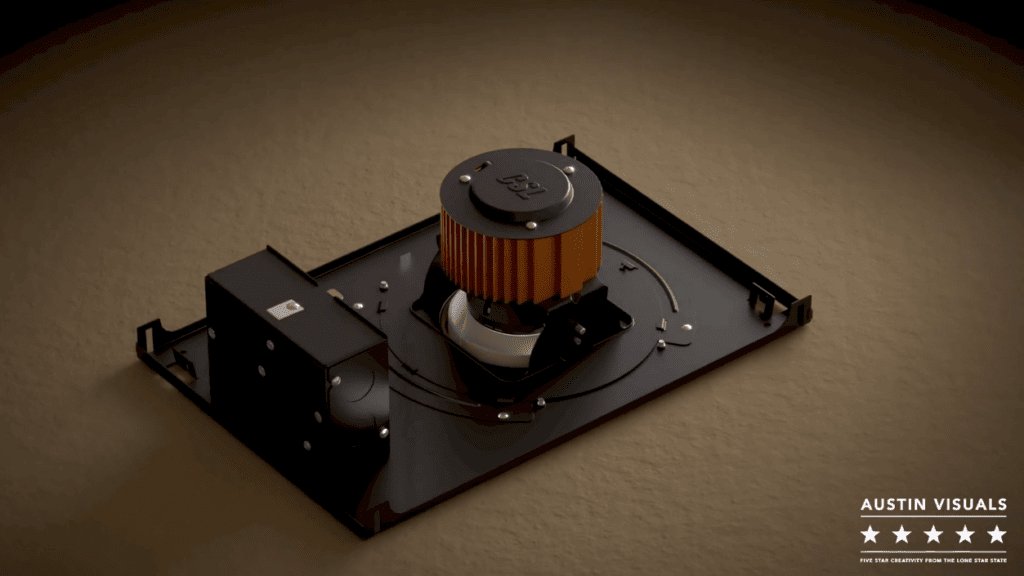
Engineering-grade 3D visualization refers to the creation of digital models and animations with technical depth and accuracy. These visuals aren’t just artistic impressions—they display the exact specifications, tolerances, and physical behaviors of your designs. From aerospace assemblies to architectural blueprints, this type of visualization allows designers, managers, and other project stakeholders to review every detail as if examining the real object. Accurate to the smallest measurement, engineering-grade 3D visualization integrates data from CAD software, simulation results, and technical drawings. The result is a digital twin or animation that mirrors real-world conditions, material properties, and even the way parts move and interact.
How Does it Differ from Standard 3D Visualization?
Standard 3D visualization is often used for conceptual marketing or entertainment purposes. While these models might look impressive, the focus is usually on surface detail and broad aesthetics. In contrast, engineering-grade 3D animation prioritizes precision and scientific accuracy. It accounts for actual dimensions, material strengths, forces, and complex assemblies. These visuals are built for engineers, architects, and scientists who need to make informed decisions and collaborate on technical details. If your team needs to validate a design before manufacturing, test for mechanical fit, or showcase how components will behave under stress, engineering-grade 3D visualization is an essential tool.
Key Industries That Benefit from Engineering-Grade 3D Visualization
Industries with technical or structural challenges lean heavily on advanced digital visualization. Aerospace firms rely on it to study aerodynamics, test new components, and train technicians. Construction companies use 3D models to plan, coordinate, and avoid costly errors on-site. Manufacturers use it to cut the number of prototypes, reducing waste and accelerating product cycles. Energy, automotive, electronics, civil engineering, medical device, and industrial equipment companies all depend on precise 3D animation for documentation, training, marketing, and communicating with partners. Every sector where accuracy translates to safety, speed, or cost savings can make major gains with engineering-grade 3D visualization.
How to Determine When You Need 3D Visualization
Identifying the Right Stage in Your Project for Visualization
Engineering-grade 3D visualization delivers the biggest impact when introduced early in the development process. Conceptual designs and technical proposals benefit from clear digital models that show all critical features.
As you move to the design phase, visual models assist engineering teams in spotting issues long before production. In prototyping and pre-production, these digital assets help drive validation by simulating real-world performance and assembly.
Construction and manufacturing projects use engineering-grade 3D visuals at the planning and scheduling stages to anticipate clashes and improve logistics. For investor presentations or client approval, accurate visualization bridges the gap between technical documents and easy-to-understand storytelling.
Common Scenarios Where Businesses Seek 3D Visualization
The need for advanced 3D visualization often emerges in a few situations: launching a new product, designing a complex system, training staff on equipment, pitching to a client or regulatory body, or troubleshooting persistent design challenges. When blueprints and spreadsheets start falling short, engineering-grade animation can clarify the unknowns and offer clear direction. Many businesses also use it to replace expensive real-world prototypes, dramatically lowering development costs.
If your team needs to communicate technical ideas to non-engineers, prepare for a major installation, or conduct remote collaboration, 3D visualization can streamline the conversation and prevent misunderstandings.
Benefits of Engineering-Grade 3D Visualization for Your Business
Streamlining Design Processes and Reducing Prototype Costs
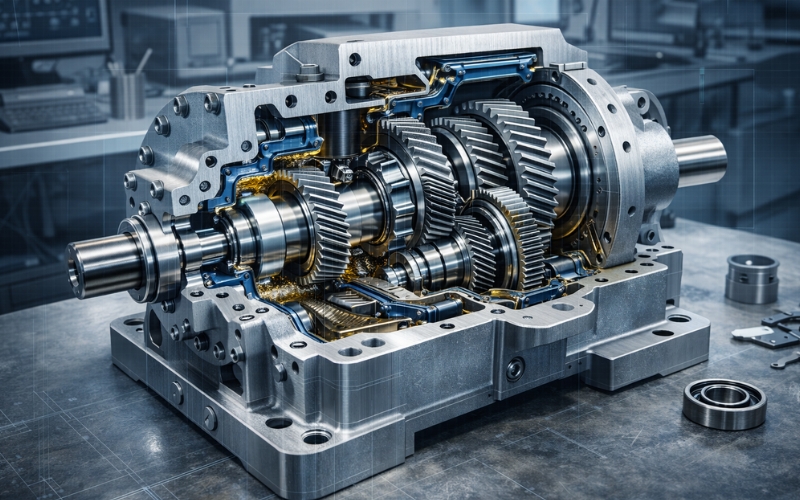
Digital models built to engineering-grade standards allow teams to test ideas and validate designs without materials or machine time. This approach shortens design cycles and limits costly errors discovered late in production. By visualizing assemblies, designers can spot misalignments or interference points that would otherwise go undetected. With fewer real-world prototypes to build, manufacturing downtime is minimized, total project costs come down, and your team can bring products to market faster.
Enhancing Communication and Collaboration Among Stakeholders
Complex projects demand alignment between engineers, clients, investors, and regulatory agencies. Scientific 3D animation bridges the gap, making technical information clear for both technical and non-technical audiences. Visual models promote clearer feedback and speed up approvals, keeping everyone on the same page from concept to completion. For engineering teams spread across multiple offices or countries, digital visualization offers a single source of truth that helps drive better decision-making.
Real-Life Success Stories from Our Clients
Our clients have saved thousands of dollars by minimizing rework and accelerating decision processes. A heavy equipment manufacturer used our services to validate new assembly lines, allowing their team to catch workflow bottlenecks before installation began. A construction firm improved client satisfaction with digital walkthroughs, which revealed potential conflicts between building systems. One aerospace startup secured funding after our animations demonstrated aerodynamic concepts that plain drawings couldn’t convey. Their investors appreciated the scientific detail matched with easy-to-follow animation, speeding up both buy-in and funding.
Choosing the Right Animation Studio
What Factors to Consider When Selecting an Animation Service
Engineering-grade 3D visualization demands more than artistic talent—it requires roots in technical disciplines. When selecting a studio, start by checking for experience with your sector. Confirm they work from CAD files, simulation data, and engineering specs. Ask about their workflow and how they validate accuracy. Strong communication and the ability to translate complex ideas into clear visuals are vital. Look for teams with proven track records in technical storytelling, meeting deadlines, and adapting to changing requirements.
How Austin Visuals’ Unique Structure Offers Cost-Effective Solutions
At Austin Visuals, our in-house mix of engineers, designers, and animation experts means you get technical insight alongside animation skill. Our team understands what your industry looks for—accuracy, scientific rigor, and the ability to deliver to spec. Because we operate as a tight-knit group without layers of overhead, clients enjoy lower costs without sacrificing technical depth or project reliability. Communication is direct and projects move with agility, allowing clients to adjust, review, and approve with minimal friction.
Our Clients include:

The Importance of Experience and a Diverse Portfolio in the Industry
A trusted partner in digital visualization should show a wide range of projects that mirror your own technical demands. Austin Visuals’ portfolio covers everything from spacecraft animations to industrial process walkthroughs. We have worked with leaders in aerospace, energy, manufacturing, and construction, building models and animations that meet strict technical checks. This breadth means we’re prepared for any challenge, and clients know our process delivers a combination of visual clarity and precise scientific information.
Utilizing Engineering-Grade 3D Visualization Across Various Sectors
Customized Solutions for Sectors Like Aerospace, Construction, and Manufacturing
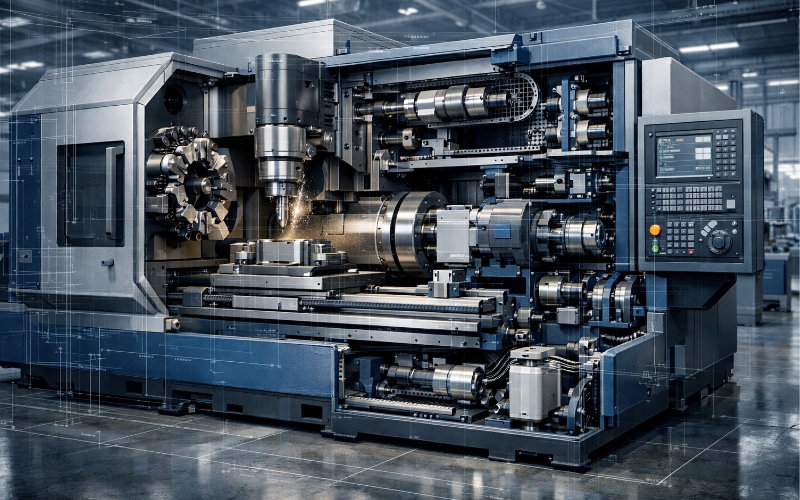
Every field faces unique engineering questions. Aerospace projects might need airflow simulations or component fit checks. Construction firms benefit from clash detection and digital site walkthroughs. Manufacturing companies look for material performance animation, technical training models, or product demonstrations that go beyond standard visuals. Austin Visuals adapts to each application, building custom solutions scaled for each client’s technical reality and industry standards.
How Industries Worldwide Use Our 3D Visualization Services
Large-scale engineering and infrastructure projects turn to digital visualization to coordinate multi-disciplinary teams, streamline communication, and identify issues before construction starts. Global manufacturers, from automotive to electronics, trust animation to certify mechanical fit and guide maintenance. Architecture and design firms use photorealistic digital twins to work out design changes, plan renovations, and speed up client approvals. Medical device startups rely on scientific visualizations to demonstrate function, support regulatory review, and provide engaging training for clinicians.
Overcoming Industry-Specific Challenges with Tailored Visuals
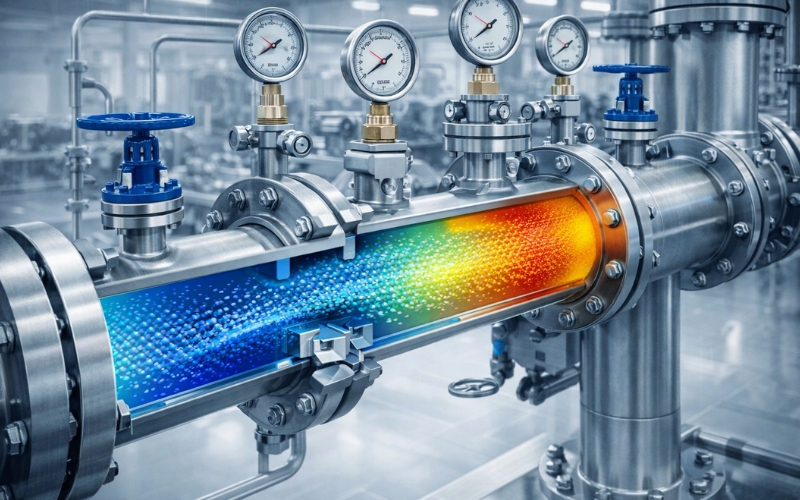
Real-world problems demand more than one-size-fits-all visuals. Engineering environments come with regulatory standards, performance requirements, and operational constraints that must be represented accurately. In oil and gas, for example, animations may need to show pressure differentials, fluid flow, and safety protocols with exact tolerances. In medical device development, visualizations often support regulatory submissions, meaning every component must align with documented specifications. In heavy manufacturing, assembly sequences must reflect true installation order and spatial clearance.
Engineering-grade 3D visualization addresses these industry-specific challenges by building visuals directly from validated data sources. Instead of approximating performance, we integrate real CAD files, measured dimensions, and approved technical documentation. The result is a visual asset that supports compliance, reduces ambiguity, and withstands scrutiny from engineers, inspectors, and executive leadership alike.
The Role of AI in Modern Engineering-Grade 3D Visualization
Artificial intelligence is accelerating how engineering-grade 3D visualization is produced—without sacrificing precision. AI-assisted scripting tools help distill technical documentation into structured visual narratives. AI-enhanced storyboarding identifies logical sequences for assembly, installation, or operational demonstrations before animation begins. Rendering pipelines powered by machine learning optimize lighting calculations and simulation previews, reducing production time while maintaining high-fidelity output.
For technical teams, this means faster turnaround without compromising scientific integrity. For marketing and investor communications, it means shorter production cycles while preserving engineering depth. At Austin Visuals, AI is used as an efficiency multiplier—not as a replacement for technical review. Every model and animation still undergoes human verification to ensure alignment with engineering specifications.
Our Demo reel
Engineering-Grade 3D Visualization as a Strategic Business Tool
While engineering-grade 3D visualization begins as a technical asset, it quickly becomes a strategic advantage.
For Engineering Teams:
-
Validate design decisions before fabrication
-
Reduce prototype iterations
-
Detect interference and tolerance issues early
-
Improve cross-disciplinary communication
For Executive Leadership:
-
Present complex systems clearly to investors or board members
-
Support capital funding requests with visual clarity
-
Accelerate approvals and stakeholder alignment
For Marketing and Sales:
-
Replace static diagrams with dynamic system walkthroughs
-
Demonstrate operational performance in realistic environments
-
Build trust with technically minded buyers
The same digital asset that supports design validation can be repurposed for training, sales presentations, trade shows, and web-based product demonstrations. This multiplies ROI and extends the lifecycle of your visualization investment.
From Concept to Delivery: Our Engineering-Grade Workflow
Precision animation requires a structured production pipeline. Our process is designed to preserve technical integrity from start to finish.
1. Discovery and Technical Review
We begin with CAD files, schematics, simulation data, and subject-matter interviews. This ensures we fully understand performance requirements and dimensional tolerances.
2. Script and Visual Planning
Technical messaging is translated into a clear narrative structure. Engineering sequences are organized logically to avoid confusion and maintain clarity.
3. Engineering-Accurate Modeling
Models are built or imported directly from validated CAD geometry. Materials, scale, and assembly hierarchies are preserved.
4. Animation and Simulation
Motion reflects real-world mechanical behavior. Assemblies follow correct order of operations. Where necessary, simulations replicate stress, flow, or interaction dynamics.
5. Review and Validation
Engineering stakeholders confirm accuracy before final rendering. This stage prevents costly revisions later in the process.
6. Rendering and Delivery
Final output is produced in formats suitable for presentations, training modules, marketing platforms, or regulatory documentation.
This structured workflow ensures changes are made in the appropriate phase—protecting timeline, budget, and technical reliability.
Why Engineering-Grade 3D Visualization Reduces Risk
Risk in engineering projects often stems from miscommunication or incomplete understanding. A missing tolerance detail, a misunderstood assembly order, or an overlooked clearance issue can delay production or inflate costs.
Engineering-grade 3D visualization acts as a risk mitigation layer. By exposing design details visually before manufacturing begins, teams can identify potential failures earlier. Investors can evaluate feasibility more confidently. Clients can approve designs with a clear understanding of how systems function.
When precision matters, visualization becomes a safeguard—not just a marketing tool.
Frequently Asked Questions
Is engineering-grade 3D visualization only for large corporations?
No. While major enterprises use it extensively, startups and mid-sized firms benefit just as much—especially when seeking funding, validating prototypes, or entering regulated industries.
Can engineering-grade animation replace physical prototypes entirely?
In many cases, it reduces the number of prototypes required. While certain physical tests remain essential, digital validation significantly lowers development costs.
How accurate are the final visuals?
When built from verified CAD and technical documentation, models reflect real-world dimensions, material behaviors, and assembly sequences.
How long does a project take?
Timelines vary depending on complexity, data availability, and review cycles. Structured workflows and early stakeholder alignment help shorten production schedules.
Conclusion
Engineering-grade 3D visualization turns complex technical data into clear, actionable insight. It reduces costly errors, strengthens collaboration, and supports smarter decisions from concept through production.
Whether you’re developing aerospace systems, industrial equipment, energy infrastructure, or advanced medical technology, precise visualization brings the clarity needed to move forward with confidence.
Austin Visuals works directly with engineering and executive teams to translate CAD data and specifications into scientifically accurate 3D models and animations.
To discuss your project, contact info@austinvisuals.com or text +1-512-591-8024.
Have a Project to discuss? Use this form to Contact Austin Visuals