
Introduction
Businesses today face an expanding field of competition, changing customer demands, and a need to communicate complex ideas effectively. Technical 3D animation can set businesses apart by delivering clear, precise, and scientific visuals that spark interest and drive understanding.
Companies from aerospace to healthcare are discovering the value of these tools for marketing, training, and product development. Now is the time to explore how technical 3D animation gives businesses an edge by clarifying ideas and making products stand out.
Ready to see how your business can move faster and communicate with clarity? Reach out to Austin Visuals at info@austinvisuals.com or text +1-512-591-8024 to start your journey towards advanced animation solutions.
Understanding Technical 3D Animation and Its Business Applications
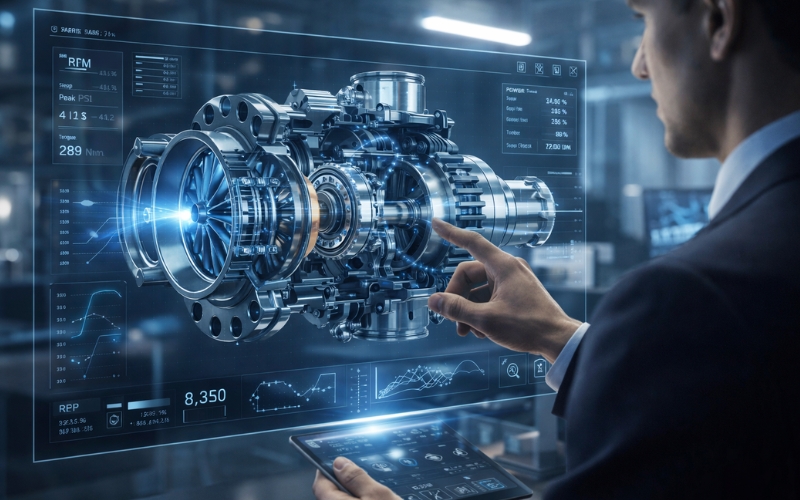
Technical 3D animation refers to the process of building accurate digital models and animated visualizations to represent concepts, products, and mechanisms in motion. Unlike standard animation, technical 3D animation focuses on details, accuracy, and clarity. This approach is particularly useful when explaining intricate equipment, scientific processes, or new technology to clients or investors.
Industries such as aerospace use technical 3D animation to illustrate aircraft mechanics, demonstrate safety procedures, and support training. In healthcare, animation helps convey how new medical devices work or showcases complex human anatomy for education. Consumer goods companies rely on 3D animation to present product features clearly, highlight differences from competitors, and show operation in virtual settings.
The adaptability of technical 3D animation is unmatched. Businesses can use it for internal training, marketing, live presentations, or product launches. Whether your company is developing a new device, training a workforce, or presenting to stakeholders, technical 3D animation brings clarity to the most sophisticated ideas.
Expanding Uses of 3D Animation Across Sectors
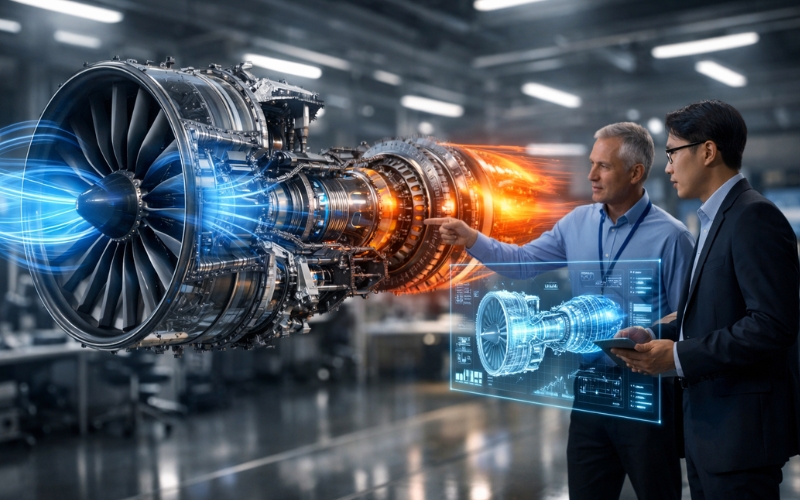
Aerospace firms rely on 3D animation to visually describe lift, thrust, and critical safety systems. These digital renderings are precise, helping teams visualize engineering concepts or demonstrate quality standards during audits.
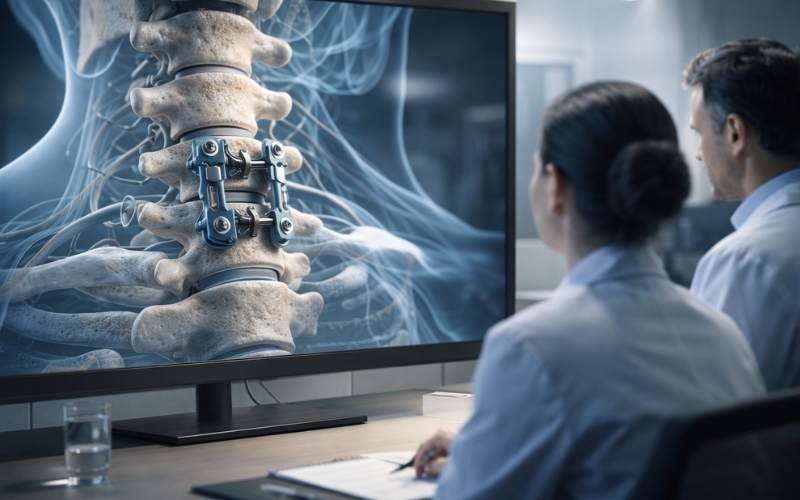
In medicine, visualizing molecular pathways, surgical techniques, or device operation can be challenging with traditional media. Technical 3D animation bridges this gap, making disease mechanisms or pharmaceutical action easier to grasp for staff, patients, or regulatory bodies.
Consumer products gain a competitive edge by showing features in action. Whether it’s the inner mechanics of a blender, the water resistance of a watch, or assembly instructions, 3D animation adds credibility and speeds up decision-making for customers.
Overcoming Common Challenges in Implementing 3D Animation
Many companies hesitate to begin using 3D animation because they think it requires a hefty investment or specialized in-house knowledge. Initial costs seem high, and finding professionals who manage both technical precision and creative storytelling is challenging.
By working with studios like Austin Visuals, businesses gain access to skilled technical 3D animators without the ongoing expenses of a full in-house team. This solution removes the hurdle of hiring and training, ensures up-to-date software use, and puts dedicated project management in place.
In today’s world, remote collaboration is easier and more effective than ever. Distributed talent lets companies tap into animation experts from across the globe, reducing overhead and increasing access to the best skills for each task. With secure online project management, clear communication, and visual drafts at each step, the risk of delays or misunderstandings drops sharply.
Outsourcing technical animation projects doesn’t mean giving up creative control. The key lies in choosing a partner who values scientific accuracy and your strategic business needs. Studios like Austin Visuals include clients in each project phase, combine artistic skills with engineering or medical experience, and focus on precise delivery.
Streamlining Costs and Maximizing Results
New businesses, or those unfamiliar with the process, worry about the time needed for technical 3D animation. With a proven workflow, experienced studios break projects into clear stages, keeping clients informed and approving visuals before moving forward. By working this way, companies avoid costly revisions and get their final product faster.
A significant advantage is the flexible scaling of projects. Starting small with a product demonstration or proof of concept animation, companies can expand to larger campaigns or training libraries as their needs grow. This approach aligns spending with business goals—and saves money.
How Technical 3D Animation Enhances Marketing Strategies
Technical 3D animation transforms marketing by making the complex simple. Potential customers and investors don’t want to read long manuals or guess at product functions. Well-executed animation shows exactly how something works, where features are found, and why this solution is better than the rest.
Studies have shown that motion captures attention more than static images. When 3D animation displays a product in context—explaining assembly, repair, or unique selling points—audiences retain more of the information and act sooner. Whether for trade shows, digital marketing, or social media, detailed visualizations boost product recall and brand recognition.
Businesses use technical 3D animation to support launches, clarify upgrades, and answer common questions before they are even asked. Interactive animations and VR-ready content enable customers to explore options or compare products in real time, which increases sales and reduces support costs.
Case Studies: Real-world Business Boosts
One Austin Visuals client in the energy sector needed to present new pipeline safety features. Their 3D animation highlighted operational controls, demonstrated emergency shutdowns, and showed pressure management in a way that stuck with viewers. Investors said they understood the risks and solutions for the first time, and staff felt more confident about procedures.
For a consumer appliance brand, detailed exploded views and animations showing each feature in operation helped reduce customer confusion, sped up purchase decisions, and lowered return rates. The product became known for its easy-to-understand operation, with the animation shared widely on social platforms.
Medical device creators have used technical 3D animation to communicate innovative mechanisms to regulatory agencies, shortening approval timelines. Simple, clear, and accurate visuals made key benefits and risk mitigations fully transparent.
Engagement Through Interaction
Interactive 3D animation invites viewers to experience products from every angle. When customers interact—rotating, drilling down, or seeing internal parts in motion—they connect with the product on a deeper level. Businesses see higher engagement rates when users guide their own learning or browse the features most interesting to them.
Virtual reality (VR) and augmented reality (AR) extend the reach of technical 3D animation by placing viewers in simulated workspaces or training scenarios. These immersive environments reduce training costs and risks, while enhancing memory retention.
In-house vs. Outsourcing: Making the Right Decision for Your Business
Some organizations weigh the choice of developing technical 3D animation skills internally versus hiring outside experts. Understanding both sides helps decision-makers see which option suits their goals.
Building an in-house team involves recruiting staff with animation, engineering, and creative backgrounds—then providing them with costly software, equipment, and ongoing training. For most businesses, this means a long ramp-up period, recurring payroll, and the risk of skill sets becoming outdated.
On the other hand, outsourcing to a studio like Austin Visuals taps into pre-existing expertise, delivering high-quality results without needing to manage extra employees. These studios have pipelines optimized for efficiency, keep up with industry standards, and shift team composition based on project requirements.
Outsourcing is also more cost-effective for businesses with fluctuating workloads. Instead of keeping an in-house team idle between projects, organizations only pay for what they need when they need it.
Quality is a final concern. Reputable technical 3D animation studios bring cross-industry experience, peer-reviewed workflows, and dedicated quality control. The result is a faster path from concept to finished animation, with a focus on precision and scientific accuracy.
Resource Allocation and Efficiency
Many companies underestimate the hidden costs of managing an in-house team—insurance, benefits, equipment upgrades, and software licenses add up quickly. By working with an outside studio, businesses avoid these expenses and can shift resources to areas that generate the most value.
A studio’s project management expertise also means deadlines are met and final deliverables meet all technical and visual requirements. This efficiency supports faster return on investment and greater flexibility in marketing or training campaigns.
Custom Animation Solutions: Tailoring to Unique Business Needs
No two businesses are alike, so technical 3D animation should fit your specific message and audience. Studios like Austin Visuals invest time in learning about your strategic goals, technical requirements, and market position. This collaborative approach ensures your final animation is not only accurate but also achieves its intended business outcome.
For example, when Austin Visuals worked with NASA, the team gathered blueprints, design files, and briefing sessions to guarantee every detail matched real-life objects. The result was an animation so precise that it could be used for both public education and staff training.
The Smithsonian requested detailed 3D animation to support an exhibit about scientific discovery. Through careful planning and client feedback, Austin Visuals created content that appealed to both technical audiences and the general public. The visuals maintained scientific integrity while remaining clear and engaging for visitors of all ages.
Customization also applies to delivery format. Some businesses need short, high-impact videos for social platforms. Others require long-form training modules or interactive walkthroughs. By aligning format with objective, technical 3D animation becomes a strategic asset rather than a one-time creative project.
When your animation reflects your brand voice, technical precision, and market goals, it becomes part of your long-term competitive positioning—not just a supporting visual.
Our Clients include:

Long-Term Competitive Advantage Through Visual Clarity
Companies that consistently communicate clearly gain trust faster. In industries where decisions involve high capital, safety considerations, or regulatory oversight, clarity becomes a competitive advantage.
Technical 3D animation reduces ambiguity. It ensures stakeholders understand product value, engineers see design intent, investors grasp opportunity, and customers understand functionality. That shared understanding shortens sales cycles, strengthens confidence, and reduces friction across departments.
Over time, organizations that integrate technical animation into marketing, onboarding, compliance, and product development create a unified visual language. That consistency reinforces brand credibility and operational efficiency.
Businesses that hesitate often lose momentum to competitors who communicate faster and more precisely. In fast-moving industries, the ability to show—not just describe—your solution can determine whether you win the contract or watch it go elsewhere.
Our Demo reel
Getting Started: A Practical Roadmap
If you’re considering technical 3D animation, begin by identifying where communication breaks down. Are customers confused about product operation? Do investors ask the same clarifying questions? Are training sessions taking longer than necessary?
Next, define your primary objective—marketing, training, investor communication, compliance, or internal alignment. With that clarity, a professional studio can recommend the appropriate format: product simulation, exploded view animation, process visualization, or interactive experience.
At Austin Visuals, we begin with a discovery call to understand scope, technical requirements, and timeline. From there, we outline milestones: concept development, modeling, animation, review phases, and final delivery. Each stage is structured to minimize revisions and maintain accuracy.
The result is a streamlined production experience focused on business outcomes—not unnecessary complexity.
Conclusion
Leveraging technical 3D animation is not about adding flashy visuals to your strategy. It’s about improving understanding, accelerating decisions, and strengthening competitive positioning.
Across aerospace, healthcare, energy, manufacturing, and consumer products, companies that invest in precision-driven visual communication gain measurable advantages: faster approvals, stronger investor confidence, improved training retention, and higher customer engagement.
If your organization is ready to communicate complex ideas with clarity and authority, now is the time to act. Reach out to Austin Visuals at info@austinvisuals.com or text+1-512-591-8024 to explore how tailored technical 3D animation can give your business a lasting competitive edge.