
Introduction
Clear visual communication is critical in the medical device industry. Surgeons, healthcare organizations, and investors need to quickly understand how a device works, what problem it solves, and why it is different from competing technologies. Explaining complex engineering or clinical functionality through text or static images often leaves important details unclear. This is where 3D animation becomes a powerful tool in Medical Device Marketing.
Austin Visuals specializes in producing precise 3D animations that show how medical devices function, how components interact, and how technology delivers real-world results. These visuals help medical device manufacturers present their innovations clearly in marketing materials, sales presentations, trade shows, and investor discussions. By translating technical concepts into accurate visual storytelling, companies can communicate value faster and with greater confidence.
Medical Device Marketing strategies can greatly benefit from the use of advanced visual storytelling techniques.
If your team needs to explain a complex device, demonstrate functionality, or support a product launch with clear visual content, Austin Visuals can help.
Call or text 1-512-591-8024 or email info@austinvisuals.com to discuss your project and see how 3D animation can support your medical device marketing.
Understanding the Power of 3D Animation in Medical Device Marketing
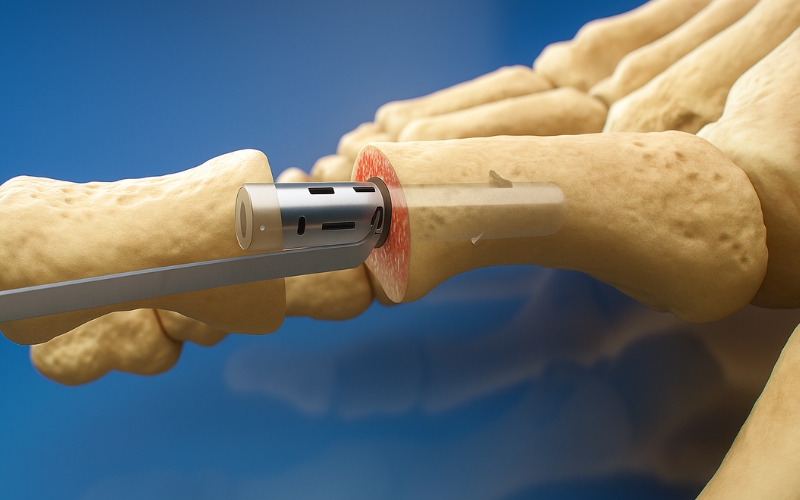
3D animation takes complex information and turns it into clear visual stories. In the medical field, new products often involve sophisticated inner workings and scientific principles. Explaining those features with words alone is tough for audiences who may or may not have a strong background in medicine. 3D animation bridges the gap by making technical information plain to see, allowing viewers to watch mechanisms in motion or observe microscopic processes in real-time. Instead of static diagrams or dense written material, you can share interactive visuals that hold attention and improve understanding.
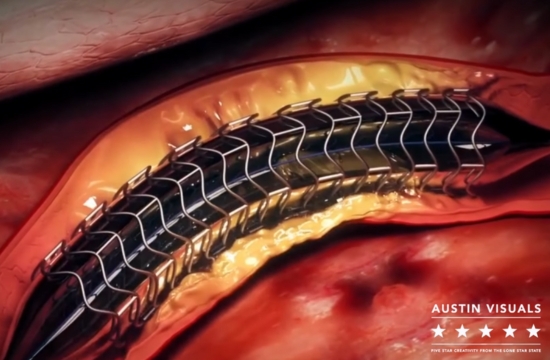
Animation specialists work closely with engineers and researchers to ensure that every animation is based on real data. This results in models that stay true to the actual device, showing details such as moving parts, blood flow, or electrical signals traveling through the body. These visuals help sales and educational teams speak with confidence, knowing their audience is following along. For medical device companies, powerful visual content builds trust and supports product adoption much more effectively than flat images or technical jargon.
Why Video and Visual Communication Improve Marketing Results
Research consistently shows that visual communication significantly improves how people process and remember information.
For example:
• Viewers retain up to 95% of a message when watching a video, compared to roughly 10% when reading text alone.
• Websites that include video content often see significantly longer visitor engagement times.
• Marketing presentations that include visuals can improve understanding and recall by several hundred percent compared to text-only explanations.
For medical device companies, these advantages are especially important because many products rely on complex mechanisms, biological interactions, or surgical procedures that cannot be easily explained with static images.
A well-produced animation allows viewers to see:
• Internal device mechanisms
• How the device interacts with the body
• Step-by-step procedural workflows
• Differences between competing technologies
• The clinical benefit of the device
These visual explanations dramatically improve communication between engineers, marketers, physicians, and investors.
Challenges Faced by Medical Device Companies in Marketing
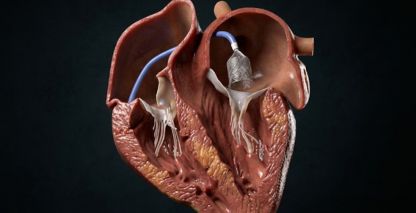
Medical device marketing comes with unique challenges that other industries rarely encounter. Many devices are packed with features that require demonstration, not just description. Without the right approach, explaining how a product works takes far too long or fails to resonate with a mixed audience. Miscommunication can mean missed sales or, worse, improper use of the device.
Regulatory compliance requires all marketing to meet strict guidelines. Claims must be accurate, and every detail must align with approved data. Any misstep not only damages credibility but can delay or derail marketing efforts. The variety of stakeholders—ranging from surgeons to procurement managers to patients—means that messages need to adapt in ways that maintain scientific integrity. Companies in this space quickly learn that conventional marketing struggles to cover these bases, especially with new or highly specialized technology.
Competition is another key concern. In a crowded market, each manufacturer works hard to communicate what distinguishes their device. Failing to show those unique aspects can mean falling behind. As devices become smarter and more adaptable, the way they are presented must also keep pace.
Practical Marketing Questions Medical Device Teams Often Face
If you are responsible for launching or promoting a new medical device, you likely face more than one marketing challenge. Many of the people searching for information about medical device marketing are engineers, startup founders, or marketing managers who helped develop the technology and now need to explain it clearly to others.
Some of the most common questions we hear from device manufacturers include:
• How do we explain a complex device to surgeons who have limited time?
• How can we demonstrate the internal mechanisms of a device that cannot be seen?
• What type of marketing materials work best for investor presentations?
• How do we communicate the difference between our device and a competing product?
• What kind of visuals should appear on our website or at trade shows?
These questions are especially common for companies that recently patented a new technology. Engineers may understand every detail of the device, but communicating that value to physicians, hospital administrators, and investors requires a different approach.
This is where well-produced visual content becomes an important part of medical device marketing.
How Austin Visuals Solves Marketing Challenges through 3D Animation

Austin Visuals brings years of experience working with complex scientific subjects and understands exactly how to turn difficult concepts into memorable visuals. The process starts with client collaboration. Every medical device requires its own story and scientific focus, so our team meets with manufacturers, engineers, and marketers to gather the necessary details.
Once the goals are set, artists and animators create models that match the real device, presenting each function step by step. Instead of overwhelming viewers, each animation builds understanding in clear stages. This approach allows for advanced features to be shown from different angles or at different levels of magnification. Real-world application is often demonstrated with simulated environments, showing the device in action inside the body or medical setting.
Austin Visuals also keeps a close eye on compliance. Every frame, label, and explanation is checked against the latest regulatory guidelines. By working closely with clients and compliance teams, we produce content that is not only engaging but also safe for wide distribution. The end result is a precision-crafted animation that captures audience interest, all while sticking to scientific fact and regulatory needs.
Creating Impactful Storytelling with 3D Animation
Storytelling is essential for marketing any medical device. It’s not enough to just show how a product works; viewers need to understand its value in real-world situations. Austin Visuals makes storytelling central to its animation projects. Each animation follows a structured narrative, often starting with a patient scenario or a clinical challenge before introducing the device.
As the story unfolds, viewers see the device in context, observing its setup, function, and advantage over competing solutions. This practical approach helps each audience member see themselves as part of the solution—whether they are a doctor, caregiver, or patient. Austin Visuals crafts storyboards that map out each step, using feedback from clients to refine messages while keeping all scientific data in view.
Animations can also feature voiceovers by subject matter experts, on-screen text for emphasis, and a logical flow that never rushes the learning process. This mix of science and narrative leads to marketing materials that are remembered long after the presentation ends.

The Benefits of Partnering with Austin Visuals for Medical Device Animation
Finding the right animation partner makes all the difference. Austin Visuals is based in Texas but works with companies of all sizes around the globe. Working with us gives clients a number of advantages. You receive personal service from a team dedicated to both art and science, plus the cost savings of a studio outside major coastal cities. Every project comes with clear communication, checkpoints for review, and open feedback loops to prevent confusion and delays.
Quality is a promise. Our animators and designers use industry-standard software and workflows to ensure that every frame reflects the attention to detail medical audiences expect. Animation is produced with high-definition clarity, allowing features like surgical instruments, vascular access, or implantable devices to be shown with medical accuracy.
Our track record speaks for itself. Austin Visuals has worked with respected names like NASA, John Deere, and regional medical companies, adapting our process for each unique challenge. The versatility of our team allows us to tackle both promotional material for tradeshows and detailed training modules for in-house staff. By bridging science and creativity, we support clients through every stage of the product journey.
Our Clients include:

Elevating Your Medical Device Marketing Strategy with Austin Visuals
3D animation brings a new dimension to medical device marketing. Instead of relying on printed brochures or technical PDFs, you can show your product in action, respond to audience questions visually, and highlight the feature set that sets your device apart. Animation increases both the reach and retention of your core messages, making it easier for professionals and patients alike to grasp how your device changes outcomes.
By working with Austin Visuals, you allow experienced visual communicators to turn your data, technical specifications, and marketing aims into a coherent story. Each animation comes with options for customization, whether you want a short loop for booth displays or an in-depth explainer video for investor meetings. With the right animation, you will notice improved audience response, deeper product interest, and stronger brand positioning.
If you’re looking to improve the effectiveness of your marketing or need a creative solution to a product communication problem, Austin Visuals is ready to support you. We work fast, keep the process organized, and always aim for results that you can rely on in competitive markets.
FAQs
What types of medical devices can benefit from 3D animation?
Just about any device, from diagnostic scanners to surgical tools and implantable products, can be explained and promoted using 3D visuals. Whether your technology is new to the field or an upgrade to a trusted brand, animation helps clarify its purpose and function.
How does 3D animation support regulatory compliance?
We work directly with your regulatory and legal teams to make sure all claims and representations in the animation are accurate and supportable by data. All assets are reviewed and adjusted as needed to fit guidelines, which lowers risk and speeds time to market.
What is involved in the typical project workflow?
We begin with a consultation to understand your device, marketing goals, and scientific requirements. After planning, our team produces storyboards and sample models for review. Once approved, we build the animation step by step and provide regular updates for feedback.
How long does it take to complete a project?
Project duration depends on the animation length and complexity. Short explainer videos or product loops can be completed in a matter of weeks, while large-scale educational pieces may take several months. We provide timelines and milestones at the start so you always know the project status.
Do you work with medical device companies outside Texas?
Yes. While Austin Visuals is based in Texas, we regularly work with medical device manufacturers across the United States and internationally. Many of our clients are located in major medical technology hubs such as Boston, Minneapolis, San Diego, and Silicon Valley. Because our workflow is digital, we can collaborate with engineering and marketing teams remotely while maintaining clear communication throughout the project.
What technology do you use to create the animations?
Our studio uses professional 3D modeling, animation, and rendering software, including Autodesk Maya, Blender, and Adobe After Effects. This allows us to deliver high-resolution, detailed content suitable for web, presentations, and large-format displays.
Conclusion
Clear communication is essential in medical device marketing. When audiences can easily see how a device works and why it matters, adoption becomes much easier. 3D animation allows companies to present complex medical technology in a clear, visual way that improves understanding for surgeons, healthcare organizations, and investors.
Austin Visuals helps medical device companies turn technical information into precise visual content that supports product launches, sales presentations, and trade show demonstrations.
Call or text 1-512-591-8024 or email info@austinvisuals.com to discuss your project and see how we can support your medical device marketing.