

One of the most common surprises clients encounter when commissioning animation for the first time isn’t the timeline or the price. It’s the revision process. Specifically, it’s realizing — sometimes partway through production — that the number of feedback rounds, the way feedback is structured, and what qualifies as a revision all vary significantly from studio to studio and project to project.
If you’ve never produced an animated video before, this can feel disorienting. If you’ve produced dozens, you probably already know that managing revisions well is one of the most reliable ways to keep a project on time and on budget.
Austin Visuals works with marketing teams, product companies, healthcare organizations, and engineering firms on animation and video projects of varying complexity. This post is a straightforward guide to how animation revisions actually work — what’s typical, what’s not, what tends to drive extra rounds, and how to approach the feedback process in a way that keeps production moving.
What Counts as a Revision in Animation Production
Before getting into how many revision rounds are standard, it helps to understand what a revision actually is in this context — because it’s not the same as a simple round of edits on a document.
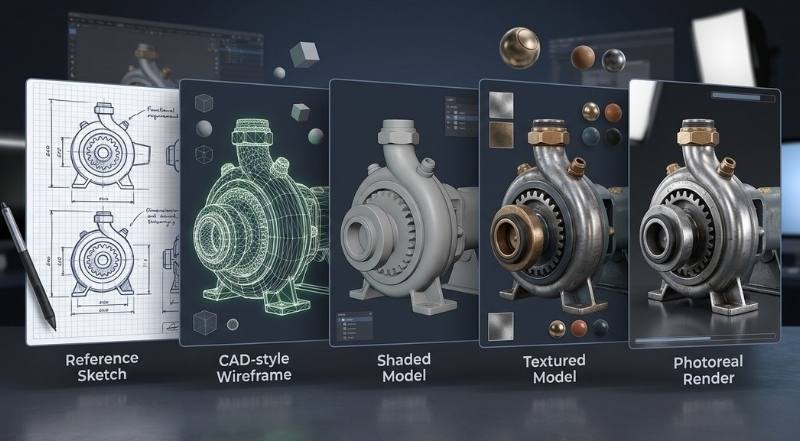
Animation is produced in stages. Each stage — script, storyboard, style frames, animation, sound — builds on the one before it. A change made after one stage has been approved can require rework at that stage and every stage that followed. A word changed in the script after voice-over has been recorded is no longer a minor edit. A visual direction change after animation is underway isn’t a small correction — it can mean rebuilding entire sequences.
This is why most animation studios — including Austin Visuals — distinguish between revisions at each production stage and major scope changes. A revision round at the script stage is fast and inexpensive. A revision that requires redoing completed animation is not. Understanding this distinction before production begins helps everyone stay aligned on what feedback is appropriate at each moment. To understand how each stage connects, read our overview of the full animation production workflow.

How Many Revision Rounds Are Standard
Most professional animation studios include a set number of revision rounds at each stage of production. While this varies by studio, by project type, and by what’s been contractually agreed, here is a reasonable baseline for how animation revisions typically work on a B2B project:
Script: Two revision rounds. The first script draft is usually close but rarely final. The first round addresses major structural or messaging changes. The second handles smaller refinements. If a third round is needed, it often signals that the original brief wasn’t complete enough.
Storyboard: One to two revision rounds. Storyboards establish visual composition, scene structure, and pacing. Most clients use the first round to align on visual direction and the second to refine specific frames. Changes after storyboard approval start affecting animation timelines.
Style frames: One revision round. Style frames define the visual aesthetic — color, typography, character design, environment look. This is a high-leverage review moment. Getting visual style locked here saves significant time in the animation phase.
Animation: One to two revision rounds. This is the most expensive stage to revise. Production studios typically include one primary animation revision round and one final polish pass. Changes beyond that scope are generally handled as change orders.
Sound and final delivery: One revision round, primarily for audio adjustments, final color, and caption files.
That’s typically five to seven review gates across the full production process, with at least one revision round at each. Projects that are well-briefed and have clear internal sign-off processes tend to use fewer of those rounds. Projects with unclear objectives, multiple internal stakeholders, or late-breaking direction changes tend to use more.
What Drives Extra Revision Rounds
The most common reason animation projects accumulate more revision rounds than expected isn’t a difficult client or a misunderstanding between the creative team and the studio. It’s usually one of three things.
Unclear objectives at the start. When the business goal, target audience, and core message aren’t fully defined before production begins, the script is built on assumptions. Those assumptions tend to surface during review — often after voice-over has been recorded and animation has started. Getting the brief right before production begins is the single most reliable way to reduce revision rounds downstream. See our guide on the most common briefing mistakes clients make for a checklist of what to resolve before production begins.
Too many internal reviewers with conflicting opinions. Animation projects have a natural review process. When six different stakeholders — each with a different perspective on what the video should communicate — are reviewing the same deliverable, the feedback consolidation process becomes a project in itself. The most efficient clients designate one internal point of contact who is responsible for consolidating feedback before it goes back to the studio.
Approving stages without fully reviewing them. This one is less talked about but common. A client approves the storyboard quickly because the deadline feels urgent, then raises concerns about visual composition during the animation review — at a point when addressing those concerns requires backtracking through completed work. Each review gate in animation production exists for a reason. Using those gates well is part of the client’s job in the process.
How to Give Feedback That Moves Production Forward
The quality of feedback matters as much as the number of revision rounds. Vague feedback — “this doesn’t feel quite right” or “can you make it more dynamic?” — creates back-and-forth that doesn’t actually resolve the underlying question. Specific feedback gets things done faster. If you are still at the scripting stage, our post on the importance of original scripting in business videos explains why the first draft deserves serious attention.
Good revision feedback describes the problem, not just the preference. Instead of “I don’t like the pacing,” something like “the section from 0:15 to 0:30 moves too fast for the technical audience — they need more time to absorb the process diagram” gives the production team something concrete to act on.
Good revision feedback also identifies priority. If you have six notes, not all six are equal. Knowing which are non-negotiable and which are preferences helps the studio sequence the work correctly and flag anything that might affect scope or timeline.
And good revision feedback is consolidated before it’s sent. Getting three separate emails from three different stakeholders — each with different notes, some contradicting others — puts the studio in the position of adjudicating internal disagreements. That’s not a production role. Designate one person to review all internal feedback and send one consolidated response.
What Happens When You Go Beyond the Included Revision Rounds
Most studios include a defined number of revision rounds in the project agreement. When a project exceeds those rounds — particularly in the animation stage — the additional work is typically handled as a change order at an hourly or flat rate.
This isn’t a hidden fee. It’s a reflection of the reality that significant rework at a late production stage costs real time and resources. The best way to avoid change orders is to use the included revision rounds intentionally and to complete each review stage thoroughly before approving it.
At Austin Visuals, the revision structure is discussed during the scoping phase so clients understand what’s included and what triggers additional charges before production begins. Surprises at the invoicing stage aren’t useful for anyone — so transparency about scope from the start is part of how the studio structures every engagement.
Revision Rounds by Project Type
Product and SaaS demo animations tend to run efficiently when the product team is the primary reviewer and has clear sign-off authority. The risk is when marketing and engineering have different opinions about what should be emphasized, which can add review cycles if not resolved before production.
Medical and clinical animations typically require one additional technical accuracy review layer — usually a subject matter expert or medical affairs reviewer who isn’t part of the primary creative review. This is appropriate and expected. It’s worth building this review step into the production schedule explicitly. Austin Visuals covers this in detail in our post on why client consultation defines successful video production.
Industrial and engineering animations often require technical sign-off from an engineer or operations manager who may not be the day-to-day project contact. Getting that reviewer’s availability confirmed before production starts prevents bottlenecks at the final animation review stage.
Corporate communications videos frequently involve multiple internal stakeholders — communications, legal, HR, executive review — which can extend revision cycles. Mapping the internal approval chain before production begins and building it into the timeline is the most effective mitigation.
Trade show and event videos almost always have a hard deadline. For these projects, revision discipline is not optional. The most reliable approach is to compress the early review stages — script and storyboard — as much as possible, so the animation phase has enough runway to accommodate the one revision round it needs without threatening the deadline.
How Austin Visuals Handles the Revision Process

Austin Visuals structures revision rounds into each stage of production and communicates them clearly during project kickoff. The team uses a project management system that documents what’s been approved at each stage, which prevents late-stage revisiting of decisions that have already been locked.
For complex or high-stakes projects — medical animations, legal visualizations, engineering explainers — the studio builds additional technical review time into the production schedule so accuracy checks don’t compress the creative revision process.
When a client needs guidance on how to structure internal feedback, the team is direct about it. A well-run revision process is as much the studio’s responsibility as the client’s. Getting feedback back in a format that can actually be acted on is something Austin Visuals actively helps clients work through — especially when they’re newer to commissioning animation. If you are still evaluating studios, our guide on how to choose the right animation studio for your business outlines what to look for before signing a contract.
Our clients include:

Frequently Asked Questions
How many revision rounds are typically included in an animated video project?
Most professional studios include two rounds at the script stage, one to two rounds at the storyboard and style frame stages, and one to two rounds during animation. Final delivery typically includes one polish pass. The exact number depends on the project scope and what’s been agreed in the contract.
What’s the difference between a revision and a scope change?
A revision is a modification within the agreed creative direction — adjusting pacing, tweaking a line of copy, refining a visual element. A scope change involves a significant shift in direction, message, or format that requires reworking completed stages of production. Scope changes are typically handled as additional work outside the included revision rounds.
Why does animation have so many review stages?
Each stage of animation production builds on the one before it. If a visual direction isn’t locked at the storyboard stage, any animation built on top of it carries that unresolved ambiguity forward. Review gates exist to catch misalignments while they’re still inexpensive to fix. Using them properly is one of the most effective ways to stay on schedule and budget.
What happens if my internal review takes longer than expected?
Most studios build reasonable review windows into the production schedule. If a review takes significantly longer than planned — particularly during the animation stage — it can push the delivery timeline. Communicating delays to the studio as early as possible allows them to adjust the production schedule before the delay compounds.
Can I request additional revision rounds?
Yes, though additional rounds beyond what’s included are typically handled as change orders. The scope and cost depend on which stage of production the additional work falls in. Changes at the script stage are relatively inexpensive. Changes during or after the animation stage carry higher production costs.
How should I consolidate feedback from multiple internal stakeholders?
Designate one internal point of contact who collects all internal feedback, resolves contradictions, and sends a single consolidated response to the studio. This is one of the most effective ways to reduce the total number of revision rounds and keep the project on schedule.
Does the number of revisions affect the final video quality?
Not inherently. Projects with fewer revision rounds can produce excellent results when the brief is thorough and the review process is disciplined. Projects with many revision rounds don’t automatically produce better outcomes — and can sometimes produce worse ones if late-stage changes introduce inconsistencies. Quality comes from clarity at the start, not volume of feedback.
Ready to Plan Your Animation Project?
Understanding the revision process before production begins makes everything easier — for your team and for the studio. Austin Visuals works with clients across industries to set clear expectations, structure production stages properly, and deliver finished animation that accomplishes what it was built to do.
Contact Austin Visuals to discuss your project scope and timeline: austinvisuals.com | (512) 591-8024 | info@austinvisuals.com
Related Articles
- The Workflow of a Full-Service 3D Animation Studio: From Script to Screen
- Top 5 Mistakes Clients Make When Briefing a 3D Animation Studio
- How to Choose the Right Animation Studio for Your Business
- Why Customer Consultation Defines Successful Corporate Videos
- The Power of Original Scripting in Business Videos