
Introduction
Turning a new idea into something visible and clear is rarely simple. Sketches can only take you so far, and long documents won’t keep attention during a pitch. This is where animation helps capture and communicate a concept without the need to build a working version.
For founders, engineers, and business leaders trying to get investor buy-in or team alignment early, a brief yet well-executed animation can make a difference. Whether it’s a new device, software platform, or internal system, using motion to show how something works makes your thinking easier to understand. If your goal is faster validation and real feedback before development begins, animation can be your strongest tool.
Ready to move from idea to action? Start with a free consultation at info@austinvisuals.com or call us at +1-512-591-8024. Let’s bring your early-stage concept to life.
Why Use Animation for Early-Stage Prototyping?
Creating a prototype usually requires time, budget, and people. You know your concept is solid, but translating it into something readable by everyone around you can slow down progress. Static presentations—like PDF decks or wireframes—miss the feeling of how something actually works. And when you need stakeholders to visualize an experience before it’s built, this can hold back support.
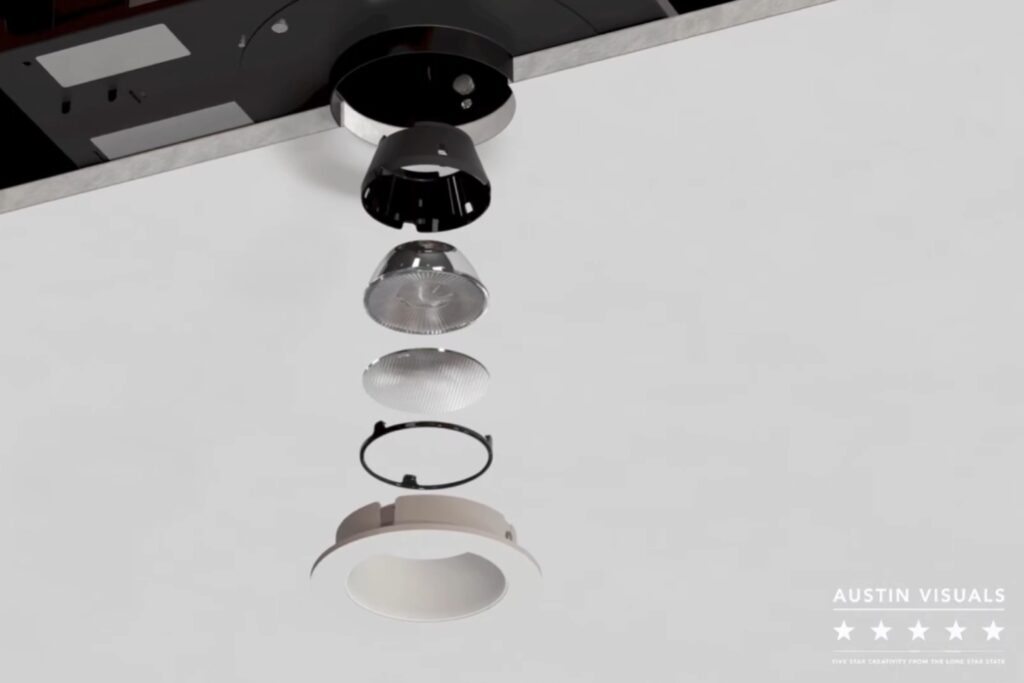
Animation fills the space between idea and product without needing a complete build. It shows users and functionality in a controlled, polished way. Whether it’s your product spinning in 3D or a user interface moving through steps, animation gives life to ideas. Teams like NASA have used this approach with us to visualize their processes long before hardware gets made. It’s about building belief with accuracy.
Challenges Without Animation
People often imagine different things when reading the same spec sheet. This leads to wasted time with conflicting assumptions. Teams lose sync across meetings. Updates get ignored. New team members struggle to see what’s been discussed. And when investors or partners ask, “So what does it look like?”—you’re stuck describing something abstract.
Solution Through Visual Simulation
Animation lets your idea speak for itself. It compresses technical detail into a simple story that looks and feels real. It pulls together form, function, and user behavior in a way that anyone can follow. This video-based view helps you secure early agreement on what’s being built. More than that—it can inspire trust from people backing your effort.
When Is the Right Time to Introduce Animation in Your Concept Process?
Animation works best in the early phase, often right after initial sketches or concept diagrams are created. This comes before you start working on detailed CAD models, user interfaces, or coding. That timing ensures you catch problems before building and avoids late-cycle changes.
If you’re prepping for a pitch, showing use cases to internal teams, or testing product-market fit, a short and focused animation can clarify your message. The earlier you use animation, the quicker you can shape your direction based on real feedback—not guesses.
Get Buy-In Early Without Writing Code
Building a working version of your product can take weeks—or months—and budgets can vanish before you get approval. Animation acts as a visual stand-in that costs far less than physical iteration. This is especially useful in investor presentations. Our clients often use animated concept videos to raise funding before development starts. It shows you’ve thought through how the product should look and perform in the real world.
Streamline Internal Communication
Early-stage teams benefit from shared clarity. Product managers, engineers, marketers, and sales teams often speak different technical languages. Animation clears up questions and keeps everyone synced. Instead of sending static slides, your team can watch a one-minute clip and instantly understand your plan.
What Types of Animations Work Best for Concept Validation?
The type of animation you choose depends on your product and message. Each style works best when matched with the right use case. Here’s how different animation formats support early-stage product thinking:
2D Animation for Software Concepts
Have a new app? A unique dashboard? 2D explainer animations show how a user interacts with each step of your software. They help visualize interfaces, decision flows, and key features. These animations replace long onboarding decks or hidden Figma links. With screen examples, labels, transitions, and motion, you can make your software more familiar before code exists.
3D Visualization for Physical Products
If your concept involves a machine, object, or wearable, 3D modeling brings it to life. A rotating product with moving parts shown in high fidelity tells people what to expect. Unlike flat images, 3D allows for material shading, lighting, and realistic movement. It’s especially helpful when prototypes are too expensive to build at scale or need to be kept under wraps during investor previews.
Motion Graphics for Data-Centered Products
When your product organizes or visualizes information—like dashboards, analytics tools, or AI results—motion graphics add clarity. They help simulate workflows powered by numbers. You can show sequences and transformations that would otherwise be too technical to pitch in words alone. For enterprise and SaaS companies, this supports early product strategy discussions with clients or boards.
AR Animation for Interaction Prototypes
Augmented reality allows users to simulate how your product appears in physical space. Using AR-based animation, your team can demo interface behavior, fit, or spatial layout using mobile devices. This helps validate form and function for hardware in the real world. Whether worn, held, or placed into an environment, viewers get a direct sense of scale and purpose.
Let Us Help You Choose the Right Format
Choosing between 2D, 3D, motion graphics, or AR isn’t always clear. That’s why we work closely with you to determine the best fit. Austin Visuals brings over 16 years of experience and can guide you through each step, making sure the style supports your product goals directly.
How Animation Helps Teams Align Faster and Make Better Decisions
When animations remove uncertainty, it’s easier to rally a team behind a shared goal. You can skip the extra meetings explaining the same diagram in five ways. Instead, point to a moving visual and say, “This is what we’re building.”
Shorten Decision Cycles
Disagreements happen when people fill in blanks with their own mental model. A short animation controls that narrative. It defines how things should look and work before it’s in production. This saves time by removing “what ifs” and mismatched expectations.
Secure Faster Approvals
Executives, investors, and advisors all need clarity fast. If your idea takes 10 slides to explain, it runs out of time and attention. Animation condenses a complex vision into one minute of clear story. That gets decisions made quicker, and projects move forward.
Early Marketing Signal
Your animation can do double duty. While it helps your internal team align, it also becomes early marketing material. Show your vision to customers in closed demos or on staged launch landing pages. You’re giving people a preview of what’s coming—and measuring response before investing in scale.

The Cost Breakdown: Is Early Animation Worth It?
Compared to hardware modeling, software development, or user testing labs, animation gives you a faster way to assess interest. Animation has a one-time cost and high reuse value across sales, investor decks, and team onboarding.
The Money-Saving Logic
Imagine building a product wrong—and learning that after three months. That mistake costs more than a visual demo tested in week one. Animation cuts those mistakes by testing ideas early. Teams reduce rounds of revision, development rewrites, and confusion during transition phases.
Value Return: High Clarity, Low Risk
Animation investment returns clarity across the board. You’re not just paying for visuals—you’re buying speed. Austin Visuals offers package models that fit early-stage budgets without cutting quality. And since we work remotely with secure workflows, you get consistent communication, reliable result tracking, and NDA backup when needed.
Choosing the Right Animation Partner for Prototyping Support
Animation isn’t all created equal. While freelancers may produce visuals, the process may bring risk: scope creep, delays, or misunderstood briefs. Working with a full team ensures speed and structure. At Austin Visuals, our team of 29 artists, producers, and technical leads focuses on turning concept data into functional animation experiences.
Trusted by Industry Leaders
Organizations like NASA, the Smithsonian, and BCG work with us on animation because we know how to interpret technical ideas into short visuals grounded in accuracy. With over 16 years of project history, we understand the importance of not making storytelling errors during early planning stages.
Flexible Delivery, Secure Approach
We offer white-label options, secure NDAs, and fast approvals through structured communication. Whether you’re a startup founder or CPO at a Fortune 500 company, our pipeline scales to match your goals. You can expect pre-production storyboards, transparent progress, and full post-treatment for review-ready delivery.
Our Client include:

Next Steps: Bringing Your Concept from Idea to Validation
Early-stage concepts live or die by clarity. The faster your idea can be understood, the faster it can be evaluated, improved, and approved. Animation gives you a practical way to test assumptions before development begins, align teams around a shared vision, and present your concept with confidence to investors, partners, or internal leadership.
Instead of waiting months for a prototype or struggling to explain functionality through documents and diagrams, animation lets you validate direction early. It reduces rework, shortens decision timelines, and helps ensure that what gets built is what everyone agreed on from the start.
At Austin Visuals, we help teams transform early concepts into clear, technically grounded animations that support smarter planning and faster momentum. From simple explainer sequences to detailed 3D product visualizations, our work is designed to support real decision-making, not just look impressive.
If you’re ready to validate your idea, gain early buy-in, and move forward with clarity, start with a conversation. Email info@austinvisuals.com or call +1-512-591-8024 to schedule a free consultation and explore how animation can support your early-stage prototyping process.