Legal and Litigation Animation in Austin | 3D Courtroom Visuals
Accurate 3D Animation for Personal Injury, Product Liability, and Medical Malpractice Cases

Austin Visuals is Austin’s leading legal and litigation animation studio — producing court-admissible 3D reconstructions, accident visualizations, and forensic animations that help attorneys explain complex facts to juries and judges. If you need a litigation animation company that can turn technical evidence into compelling visual presentations, Austin Visuals delivers. We work with plaintiff and defense attorneys, insurance companies, and expert witnesses nationwide.

Need courtroom-ready visuals that make complex evidence easy to understand? Austin Visuals delivers forensically informed courtroom graphics, trial animations, and demonstratives built to clarify what happened, how it happened, and why it matters. Our team brings an average of 20 years of experience and supports more than 40 trials each year, working closely with attorneys and experts to translate evidence into clear, visual explanations.
Every legal animation we produce is evidence-based and developed to align with expert testimony, helping judges, jurors, and mediators quickly grasp complex events without having to decode technical language. The result is a stronger, more understandable presentation of your case when clarity matters most.
Many courtroom graphics and litigation animation projects are protected by strict non-disclosure agreements. For that reason, not all of our legal work can be shared publicly.
But we maintain a public library of work samples that demonstrate our studio’s capabilities in legal animation, courtroom graphics, 3D modeling, and forensic visualization.
Legal animation is a way to explain complex case information using clear visuals instead of relying only on words. It turns expert opinions, medical details, timelines, and technical evidence into animations or graphics that are easier for judges, jurors, and mediators to understand.
It is especially helpful when an incident happens quickly, the timeline is complicated, the science is technical, or a product or device needs to be explained visually. By showing what happened step by step, legal animation helps prevent confusion and keeps the decision-maker focused on the key facts of the case.
Strong cases can lose impact when the story is hard to visualize. This often happens when:
Not every case needs animation. When evaluating whether courtroom graphics or legal animation would support your presentation, consider the following questions:
Answering these questions early can help determine whether courtroom visuals will strengthen clarity, support expert testimony, and improve how your case is understood.
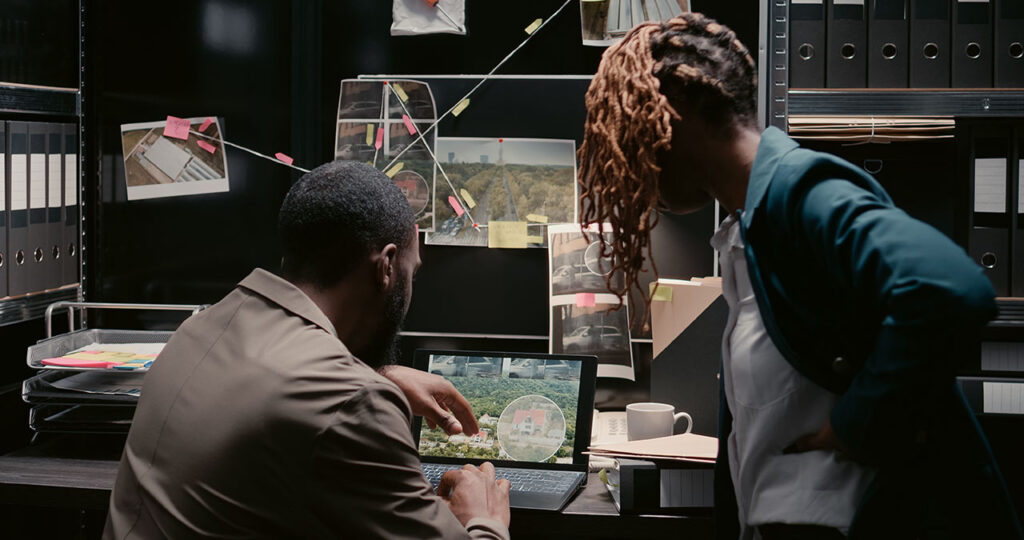
Austin Visuals produces courtroom graphics and animations to help legal teams visualize accidents, witness testimony, and depositions, presenting a clear narrative that is easier for a courtroom audience to follow. That means your experts can explain their opinions while the courtroom sees the sequence, mechanics, or medical concepts in a format that feels organized and easy to grasp.
Legal animations are typically used as demonstrative exhibits to support expert testimony, helping jurors and mediators follow complex information more effectively. Because accuracy and credibility are essential, courts often require expert verification of the assumptions and data behind these visuals. We follow established standards to support factual integrity and admissibility.
Each project goes through structured review cycles, including both legal and technical review, with a strong focus on precision and consistency with the case record.
Legal and litigation teams rely on different tools depending on the facts, the forum, and the complexity of the evidence. Below are the types of courtroom graphics and legal animations we create to support attorneys and expert testimony.
Show how an incident happened by clearly illustrating movement, timing, and positioning. These animations help explain crashes, site conditions, and sequences of events using accurate 3D models and scene-based visuals.
Common use cases:
In many cases, simple visuals are the most effective. Still graphics such as charts, graphs, and timelines help organize information and make complex details easier to understand in the courtroom.
Typical deliverables:
Medical visuals help jurors understand injuries, diagnoses, and procedures by showing what happened inside the body. These visuals are especially useful in personal injury and medical malpractice cases involving complex medical records.
Some cases require explaining how a product or device works and what went wrong. Visuals can clearly show product function, failure points, and design concepts that are difficult to explain with words alone.
Common applications include:
Technology and IP cases often involve abstract or highly technical concepts. Visuals help translate those ideas into clear, understandable presentations that support legal arguments in court.
Some legal teams only need the final animation or trial board files. Others benefit from hands-on support in the courtroom. Austin Visuals offers trial support services that can include war room assistance, trial logistics, equipment setup, and video production, working as an extension of your team during trial.
For cases heading into mediation, arbitration, or trial, this level of support helps reduce last-minute complications and ensures that visual presentations run smoothly when it matters most.
Our legal visuals are often used in matters such as:
If your case has a moment where the fact-finder might think, “Wait, how did that happen?” that is usually the moment where litigation animation helps.

A typical workflow for courtroom animation and graphics at Austin Visuals looks like this:
We follow a practical approach to courtroom graphics and legal animation. Legal teams work with us for the following reasons:
If you are preparing for mediation, arbitration, or trial and need courtroom-ready visuals that make complex facts easier to understand, call us at 512-591-8024 for a quote and scope discussion.
Our legal visuals are built from evidence, and expert verification is often required for courtroom use.
Yes. Still visuals like charts, graphs, and timelines are common courtroom needs.
Legal courtroom graphics and animation costs vary based on factors like case complexity, number of scenes, level of detail, timeline, and trial deadlines. Pricing is typically determined after reviewing the specific needs of the case.
Explore our related services: 3D Animation Services | Oil and Gas Animation | Medical Animation