Introduction
In a courtroom, clarity can change the course of a case. Judges and juries rely on understanding—not assumption—to reach fair decisions. When evidence is complex or technical, a visual explanation can make all the difference. This is where a legal animation company for courtroom presentations becomes essential.
Legal animation turns complex facts into visual stories that are easy to understand. From accident reconstructions to medical injury visuals, these animations help explain events with scientific accuracy and visual clarity. They don’t dramatize—they clarify.
At Austin Visuals 3D Animation Studio, we specialize in creating precise, credible animations designed for legal use. If your case depends on clear visual communication, contact our team at info@austinvisuals.com or call +1-512-591-8024. Let us help you turn complex evidence into visuals that make sense.
The Role of Legal Animation in Today’s Courtroom
Modern courtrooms are visual environments. Attorneys can no longer rely solely on testimony, documents, or still images to explain complex events. Whether it’s a multi-car collision, a mechanical malfunction, or a medical injury, juries expect to see what happened.
Legal animation helps bridge the gap between words and understanding. It translates expert witness testimony into visual context, showing exactly how an event unfolded. A courtroom animation doesn’t replace evidence—it complements it. It visualizes timelines, spatial relationships, and sequences that words alone can’t convey.
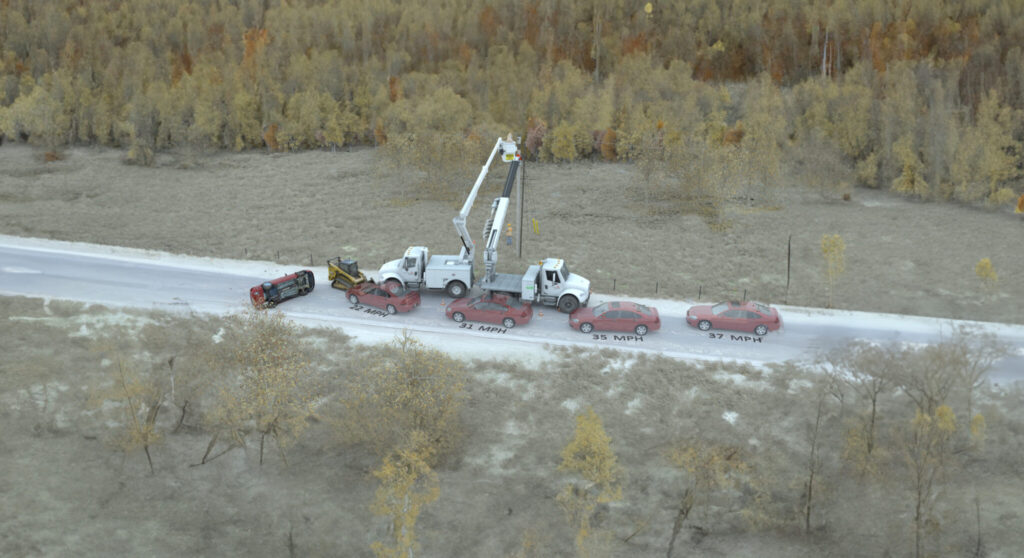
For instance, when presenting a traffic collision, attorneys can use 3D reconstruction to show each vehicle’s movement, impact point, and resulting damage. Jurors who may not grasp engineering terms can instantly understand cause and effect.
As more courts embrace technology, these animations have become standard tools in litigation support. They give jurors a clear, unbiased view of events backed by data and expert validation.
What a Legal Animation Company Does
A legal animation company combines technical skill, legal awareness, and storytelling to create visuals that meet courtroom standards. Each project starts with understanding the facts of the case.
Animators collaborate closely with attorneys, investigators, and expert witnesses to interpret reports, photographs, and measurements. The goal is accuracy, not artistry. Animations are created using verified data—scene surveys, medical scans, or engineering models—to ensure they align with the factual record.
Once the facts are confirmed, a storyboard outlines the key moments that need to be visualized. For example, in an industrial accident, the animation may need to show the sequence leading up to equipment failure. Every motion, angle, and lighting element is selected to match real-world conditions.
The animation process involves 3D modeling, motion simulation, rendering, and post-production. Before delivery, legal teams and experts review the final animation to ensure it accurately reflects the evidence.
At Austin Visuals 3D Animation Studio, this process is both technical and collaborative. Every frame is reviewed for factual precision and courtroom readiness.

Why 3D Animation Strengthens Courtroom Presentations
Visual communication is powerful because people remember what they see better than what they hear. Studies show jurors retain information more effectively when evidence is visualized. For legal teams, this means presenting arguments with greater impact and comprehension.
A well-crafted 3D legal animation makes complex testimony easier to follow. For example, showing the internal mechanism of a malfunctioning device helps explain how a product failed. In a medical case, visualizing an internal injury can make expert testimony far clearer than verbal descriptions.
Animations also minimize confusion. Legal cases often involve technical jargon or specialized data that can overwhelm a jury. When evidence is shown through accurate motion, those details become accessible.
Beyond comprehension, animation builds credibility. A precise, realistic animation signals preparation and professionalism. It shows the court that the evidence has been analyzed carefully and presented responsibly.
The goal is not to persuade through emotion—it’s to clarify through science and visual accuracy. That’s what makes courtroom presentations with animation so effective.
Common Types of Legal Animations
Legal animation covers many disciplines, each tailored to the specific type of evidence being presented.
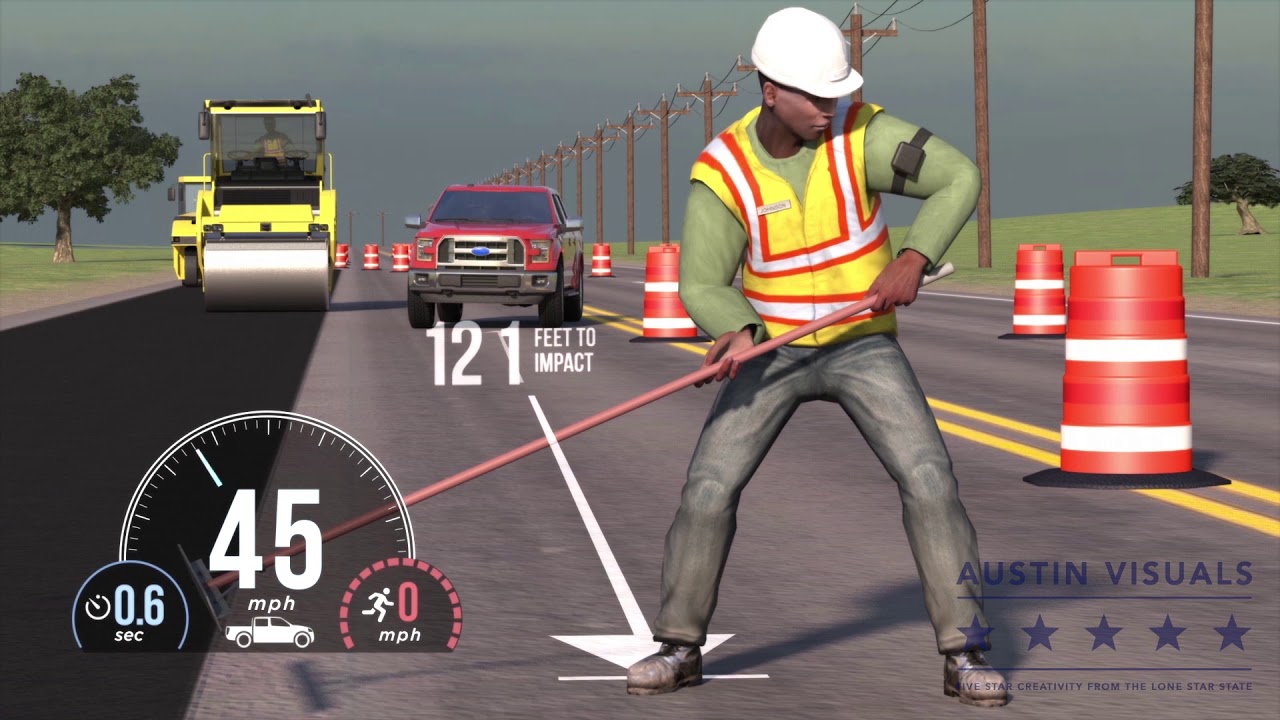
Accident Reconstruction — These animations recreate traffic collisions, workplace injuries, or industrial incidents. Using physics-based motion and real-world measurements, they show vehicle paths, speeds, and impact angles.
Medical and Anatomical Animation — These visuals explain injuries, surgeries, or procedures. Using MRI or X-ray data, animators depict how an injury occurred and its long-term effects.
Product Liability Cases — Technical animations demonstrate how a product or machine works—and what failed. Animations help juries see design defects or improper use clearly.
Patent and Intellectual Property — In patent disputes, animations show mechanical or digital systems in operation, illustrating differences between competing designs.
Environmental and Engineering Disputes — 3D models demonstrate how systems like pipelines or water treatment plants operate, helping experts show cause and effect during hearings.
Each of these visualizations is built with the same foundation—accuracy verified by expert sources and data-driven simulation.
The Process of Creating Court-Ready Legal Animation
Producing a courtroom animation is not the same as making a marketing video. Every element must be defensible under scrutiny. The process begins with the attorney’s briefing and all relevant materials: depositions, photos, and measurements.
Next, a storyboard defines what needs to be shown. Animators plan how to visualize the event in a way that is informative and compliant with evidentiary standards.
3D modeling follows. Real-world data such as vehicle specifications, building dimensions, or medical imaging is used to build accurate models. These models are animated to show movement, cause, and timing.
Once animated, textures, lighting, and camera placement make the visuals realistic but not dramatized. The tone must remain factual.
The final step is review and validation. Legal teams and subject-matter experts confirm that every motion and timing sequence matches the evidence. Once verified, the animation is rendered and delivered in formats suitable for courtroom playback.
At Austin Visuals, our production process ensures consistency between data and presentation, so every animation stands up to expert and legal examination.
The Legal Standards of Accuracy and Admissibility
Accuracy determines whether a legal animation can be used in court. A legal animation company must understand admissibility standards to ensure its work is accepted as demonstrative evidence.
Animations must be based on factual data and expert testimony. They are meant to illustrate, not interpret, evidence. The animation must match the witness’s account and avoid introducing speculative elements.
Attorneys typically present these visuals as demonstrative exhibits—tools that help the jury understand expert opinions. For example, an accident reconstruction animation would show the same sequence that an engineer describes in testimony.
Courts in the United States often require that an expert verify the accuracy of the animation’s assumptions and data. This validation ensures the animation reflects the real-world conditions described by witnesses or reports.
At Austin Visuals, we follow these standards carefully. Every legal animation is reviewed for factual integrity and admissibility, ensuring your evidence meets the highest professional standards.
Why Attorneys Choose Austin Visuals
For more than a decade, Austin Visuals 3D Animation Studio has supported law firms, litigation consultants, and expert witnesses across the United States. Our animations combine visual clarity with technical accuracy, helping attorneys present their cases with confidence.
Our team includes experienced 3D artists, engineers, and medical illustrators who understand both visual storytelling and factual precision. We work directly with attorneys to ensure every project aligns with the legal strategy and expert testimony.
What sets Austin Visuals apart is our process. We maintain open communication throughout production, keeping attorneys informed at every step. Each animation goes through multiple rounds of legal and technical review to guarantee precision.
We have produced animations for civil litigation, product liability, medical injury, and patent cases. Our visuals are used nationwide in both federal and state courts. Whether you’re preparing a jury presentation or mediation exhibit, Austin Visuals delivers accuracy you can rely on.
Our Clients include:
Case Example: Using Animation to Clarify Complex Evidence
Imagine a case involving a severe car collision at an urban intersection. Multiple vehicles are involved, and eyewitness accounts conflict.
The legal team provides Austin Visuals with scene measurements, police reports, and dashcam footage. Our animators reconstruct the intersection in 3D, accurately positioning vehicles based on impact data and tire marks. Physics simulations calculate speed and motion before and after the collision.
During the trial, the animation plays as the expert witness testifies. The jury watches the event unfold in real time, seeing how each vehicle moved and when impact occurred.
Afterward, jurors report that the animation helped them understand the sequence of events clearly. The attorney’s argument is supported visually and scientifically.
This kind of clarity is why legal animations are used across industries—from transportation and construction to healthcare and environmental litigation.
The Future of Legal Animation and Courtroom Technology
Courtrooms are rapidly adopting digital tools. Today, it’s common for attorneys to use 3D graphics, AR, and video simulations to present evidence. As technology advances, these visuals will only become more integral to litigation.
Future trends point toward immersive experiences like virtual courtroom exhibits or digital reconstructions accessible to remote jurors. Legal animation companies are evolving to meet these needs while maintaining scientific credibility.
For law firms, this means more powerful ways to tell stories backed by data. Instead of static charts, juries will see physics-based visualizations that explain the facts precisely.
Austin Visuals continues to invest in these technologies while maintaining a focus on accuracy and admissibility. Every project combines innovation with courtroom credibility, ensuring your visuals remain persuasive and professional.

Conclusion: Bringing Truth to Life, One Frame at a Time
Every courtroom presentation depends on one thing—clarity. When evidence is complex or highly technical, words alone may not be enough. A precise and realistic legal animation helps juries see the facts clearly, turning complex data into understanding.
At Austin Visuals 3D Animation Studio, we partner with law firms nationwide to transform expert testimony into visuals that strengthen credibility and precision. From forensic reconstructions to medical and product liability animations, our team brings accuracy and confidence to every case.
If your next case requires visuals that communicate with scientific accuracy and professional clarity, connect with Austin Visuals at info@austinvisuals.com or call +1-512-591-8024, or visit AustinVisuals.com to get started.
Bring truth to life—one frame at a time.
Frequently Asked Questions
What makes a legal animation admissible in court?
A legal animation must be based on factual evidence and verified by an expert witness. It cannot speculate or alter the facts of the case.
How long does it take to create a courtroom animation?
Timelines vary. Simple animations may take two to three weeks, while complex reconstructions can take several months depending on data and revisions.
Can legal animations be used in both civil and criminal trials?
Yes. They are frequently used in both, as long as they comply with rules of evidence and expert verification.
Are these animations realistic or stylized?
At Austin Visuals, all animations are realistic and data-driven. The goal is clarity, not dramatization.
Does Austin Visuals work directly with law firms and expert witnesses?
Yes. We collaborate closely with both legal and technical teams to ensure accuracy, legal compliance, and clear communication.
Have a Project to discuss? Use this form to Contact Austin Visuals