
info@austinvisuals.com | (512) 591-8024

Better tool for your oil and gas business?

Mind - Thought

What if there was a better tool for the Oil and Gas business?

houston-3d-animation-oil-gas-deep-drilling-offshore

Use Austin Visuals 3D Animation Studio to create animations for your oil and gas business! Imagine if you could easily augment reality and instantly explain complex business or technical matters much easier to investors and shareholders alike. 
 
Animation and augmented reality can help explain selected oil and gas equipment or processes when the visuals are built from reviewed references. Their value depends on the audience, the communication goal, and how the material is used. Define a baseline and an evaluation method before expecting a financial return.
 

Augmented reality for oil and gas operations

Say you pick up an iPad and aim it at a poster. Then imagine the picture of the poster on the screen becomes interactive, telling you what the different parts of the picture on the poster are. Once your smart device was pointed at that poster or other object, you would see animation and other details that are related to that object. This could be applied to an oil rig, or the internal workings of one; it could just as well be applied to any part of industrial animation or even medical animation or technology. For a possible plant-training application, an AR view could label equipment or display approved reference information. The team would need to assess the device, viewing conditions, content maintenance, and intended use. An overlay should support the approved training material, not be treated as a substitute for inspection, operating procedures, or personnel qualification.
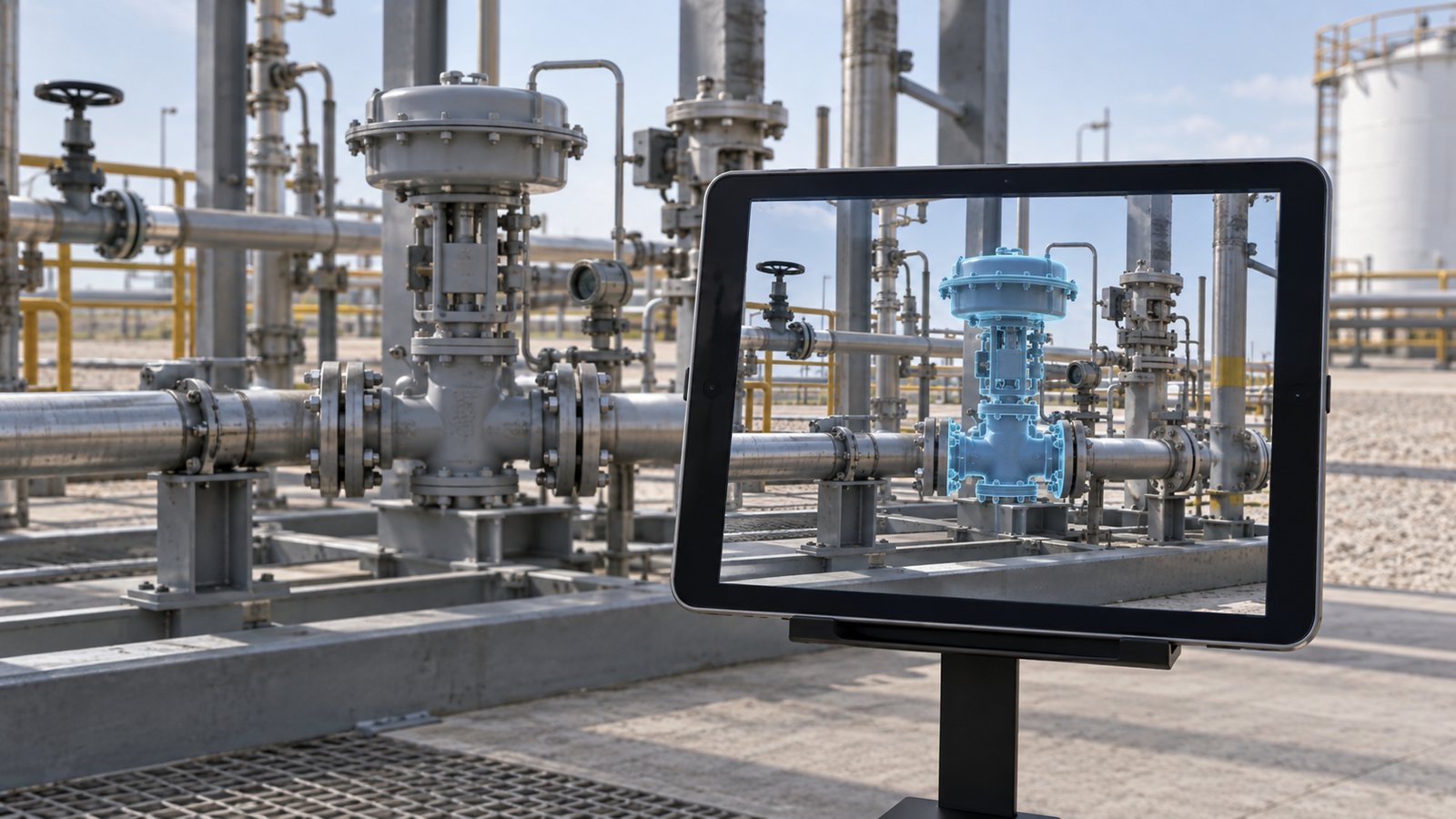
Tablet showing a conceptual highlight on fictional industrial equipment
AI-generated illustration of a possible augmented-reality concept. Not a deployed client application or validated operating tool.

inspiritation wheels turning in my brain


Applying animation techniques to industrial communication
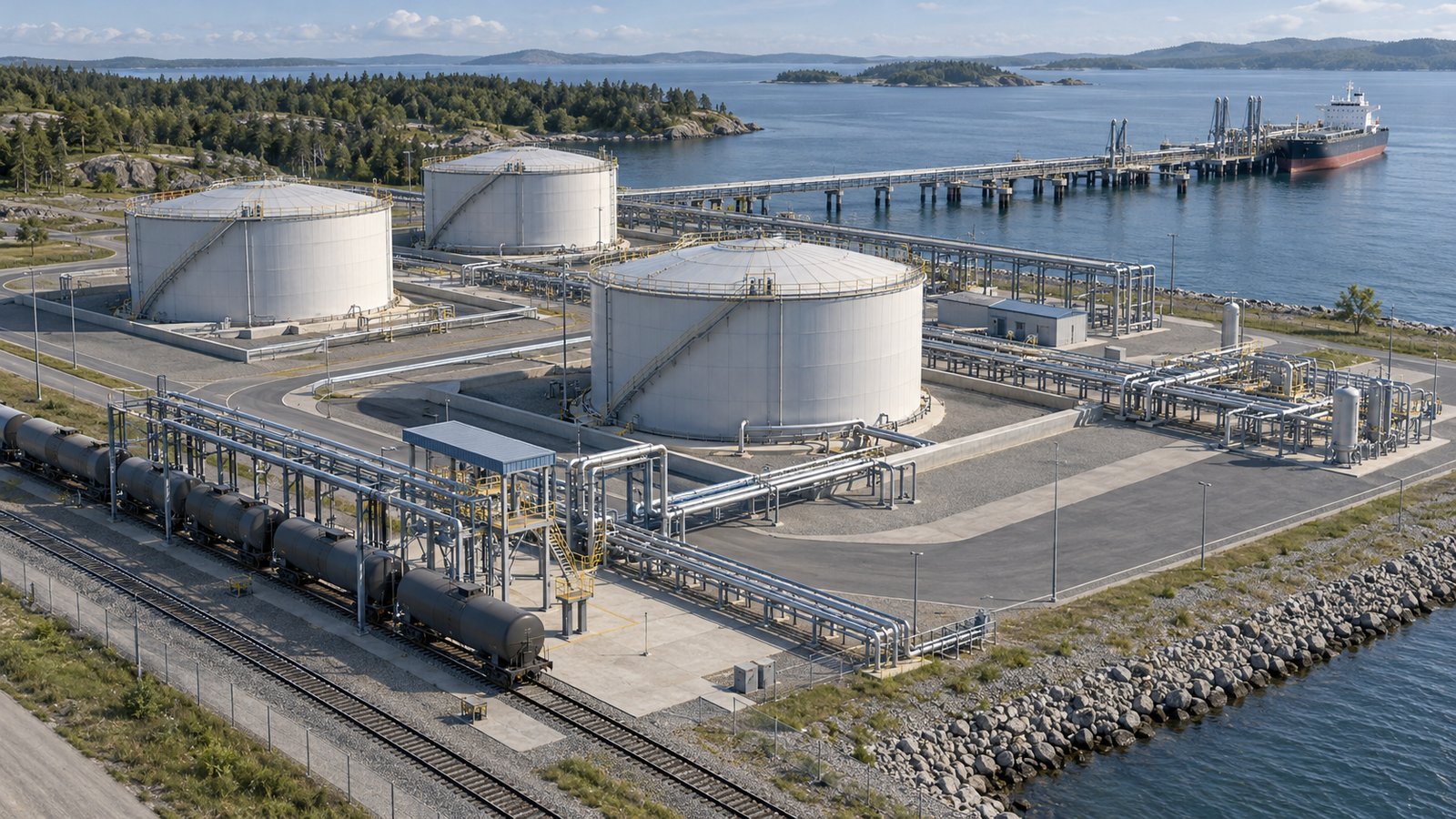
Concept illustration of a fictional storage and transfer terminal
AI-generated illustration of a fictional terminal layout. Not Tesoro client work, a real facility, or an approved engineering plan.

A practical brief should identify the equipment or process, the audience, available drawings or CAD, and the reviewers responsible for the technical content. State whether the project is a concept presentation, a training resource, or a visualization of approved analysis. Those uses require different evidence and review.

And if you can believe it, this is the same animation technology that brought ten-story tall robots and bumbling green ogres to the silver screen. These technologies are now finding more “serious” applications, if you will. Austin Visuals 3D Animation Studio already has a strong background in the entertainment side of animation technology, and is now bringing those strengths to animating the oil and gas industry in Houston. Choose the visual format around the task. A linear 3D animation can explain a sequence, while an interactive application may let viewers examine component relationships. Keep assumptions and representative motion explicit, especially when the subject involves pressure, flow, maintenance, or emergency response. 
 
Austin Visuals can develop industrial visuals from the source materials and requirements agreed for a project. Discuss whether fluid movement will be illustrative or supplied from a separately validated engineering analysis. A visually plausible flow effect does not establish how a real pipeline or process will behave. “All of the artists are very passionate — they have to be, because it’s a demanding job,” said Matt Winters, president of Austin Visuals Animation studio.
 
In the original article, Matt Winters emphasized the practical value of showing an offshore environment to people who cannot visit it. That observation describes a communication use case, not a measured percentage improvement. The usefulness of a visual still depends on the references, audience, and learning objective.

Published Oil and Gas Animation Examples from Austin Visuals

Tesoro LARIC: communicating refinery integration

The published Tesoro LARIC animation case study describes a presentation explaining refinery integration to community members and other stakeholders. Aerial views and technical schematics connect equipment, pipelines, and project context for audiences who may not work inside the facility.

Tesoro Vancouver Energy Terminal: explaining a project concept

Austin Visuals' Vancouver Energy Terminal animation case study describes visuals of rail unloading, storage, and ship loading for a terminal project presentation. It is useful as a historical example of explaining infrastructure relationships to stakeholders; the animation does not establish that the proposed facility was built or validated.

How to assess the value of an oil and gas visualization

Choose a measurable communication objective, such as identifying equipment correctly, explaining an approved sequence, or resolving repeated presentation questions. Record a baseline and use a comparable assessment after release. Include production, review, deployment, and update costs when evaluating the investment. Separate observed results from estimates, and avoid attributing operational or financial changes to animation alone.