Is your organization struggling to keep employees engaged during training sessions? You’re not alone. Many companies face this issue because long, text-heavy training manuals often go unread. Important procedures get skipped or forgotten, leading to errors, safety risks, and lost productivity.
Choosing the right training format directly affects how well your team learns, remembers, and applies what you’re teaching.
What Does Today’s Workforce Expect?
Today’s workforce is used to learning from videos, interactive content, and on-demand resources. They expect training that is engaging (not just pages of text), efficient (respecting their time), and easy to revisit when they need a quick refresher.
Research backs this up. The U.S. National Library of Medicine highlights how multimedia learning that combines visuals and audio can significantly improve understanding and recall compared to text alone. The U.S. Department of Education has also reported that blended and multimedia-rich instruction can lead to better learning outcomes than traditional, text-only methods.
In other words, how you present information matters just as much as what you present.
What Are Explainer Videos?
Explainer videos are short, focused videos (usually 60-180 seconds) that break down complex ideas into clear, visual stories. They combine visuals and animation, narration or voiceover, on-screen text, and music and sound design.
Good explainer videos turn dense or technical content into something that feels easy to understand and memorable. They include clear, concise scripts that get to the point quickly, professional voiceover that’s easy to follow, custom visuals that support the message, good pacing so learners aren’t overwhelmed, brand-consistent visuals, and optimized length to keep attention.
Because explainer videos engage both your eyes and ears at the same time, they help you retain information better than just reading text, in line with research on dual-channel processing.
What are Traditional Training Manuals?
Training manuals have been around for decades. They’re usually printed booklets or digital PDFs that serve as the official written reference. They typically include detailed written procedures, step-by-step instructions, technical specifications, policies and compliance information, reference charts or tables, and glossaries.
Manuals are valuable when employees need a thorough, searchable record of procedures. They’re especially important where regulations require documented processes, which many regulatory bodies expect during audits. However, manuals have limitations. They’re time-consuming to read, dense text can be boring or intimidating, and employees may skim or skip key sections.
For many organizations, manuals are necessary but not sufficient for effective training.
How Do They Compare?
Which One Helps You Remember Better?
People remember information better when it combines visuals and sound. Research in cognitive psychology, summarized by the U.S. National Library of Medicine, shows that dual-channel learning using both visual and auditory input supports stronger memory formation than text alone.
Explainer videos take advantage of this by pairing visuals with narration and on-screen text, reinforcing key points in multiple ways.
Which One Keeps People More Engaged?
Videos often beat text when it comes to keeping people’s attention. Many organizations see higher completion rates for video-based training and faster learning times when employees start with video and use manuals as backup.
This aligns with findings from the U.S. Department of Education that interactive and media-rich learning environments can support better engagement and outcomes than purely text-based approaches.
Which One Costs More?
Manuals might seem cheaper to produce than professional video at first. But you need to look at the full picture, including employee time and error reduction.
Explainer video investments typically include one-time production (script, storyboard, animation or filming, voiceover, editing), light editing or partial updates over time, and no printing, shipping, or physical storage costs.
Training manual costs can include writing and editing time, layout and formatting, regular revisions and reprints, printing and distribution, additional trainer time to keep learners engaged, and more hours of employee time to consume the same content.
When you consider reduced errors, better performance, and time savings for both employees and trainers, video often offers strong returns.
When Do Explainer Videos Work Best?
Need to Train Complex Processes?
Multi-step processes or workflows are often hard to grasp from text alone. Video can visually walk through each step in order, show what correct behavior looks like, and highlight what to avoid.
This is especially useful in industries where mistakes can lead to safety risks. OSHA emphasizes the importance of clear, understandable training materials.
Onboarding New Employees?
New hires get flooded with information. Short, well-made videos can introduce your company culture and values, explain core policies and expectations, and provide an overview of tools, systems, or workflows.
Federal guidance on effective onboarding also emphasizes clarity, structure, and timely access to information for new employees.
Demonstrating Products or Software?
For software or equipment, video can show interfaces or controls in real time, demonstrate common tasks, and walk through troubleshooting steps. Screen capture combined with animation helps learners see exactly what they need to do, while written documentation supports deeper reference.
Teaching Safety and Compliance?
In workplace safety or infection control, a clear understanding is critical. Agencies like the Occupational Safety and Health Administration (OSHA) and the Centers for Disease Control and Prevention (CDC) stress that effective safety training prevents incidents and injuries.
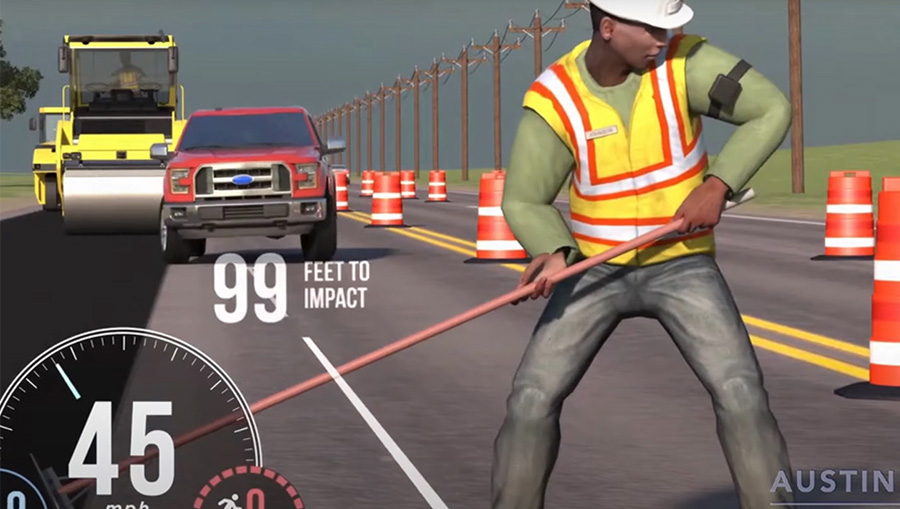
Safety videos can demonstrate risky scenarios and proper responses without putting anyone in danger, while written policies provide the official record.
When Do Training Manuals Still Matter?
What About Regulatory Documentation?
Many industries must maintain written documentation for regulatory or audit purposes. OSHA and other agencies often require written safety plans and procedures to demonstrate compliance.
Manuals and formal written procedures help ensure your organization can show exactly what policies and processes are in place if regulators or auditors review your training program.
Where Do Technical Specs Fit?
Engineering drawings, formulas, configuration details, and complex standards are often best stored in written or tabular form. Manuals let employees look up exact specifications, follow detailed procedures at their own pace, and reference information selectively as needed.
Need a Quick Reference at Work?
Once training is complete, employees often just need a brief reminder. Searchable PDFs, intranet pages, or digital knowledge bases work well as job aids, checklists, and troubleshooting guides. This approach aligns with common recommendations for performance support tools in government and corporate training guidance.
Can You Use Both Together?
For most organizations, the most innovative strategy combines both videos and manuals. You can use explainer videos to introduce new topics, demonstrate processes or behaviors, and share high-level overviews. Furthermore, you can use manuals and written resources for detailed procedures, technical specifications, compliance documentation, and quick-reference guides and checklists.
Examples of hybrid training include:
- A short safety video followed by a written safety policy manual that meets OSHA documentation expectations
- An animated overview of new software, supported by a PDF user guide hosted on your internal knowledge base
- A process walkthrough video with a step-by-step written checklist employees can keep at their workstation
This approach gives learners engaging visual content and precise written backup.
How Do You Create Effective Training Materials?
What Makes a Good Explainer Video?
Effective training videos typically follow a clear process:
Define objectives and audience: Clarify what learners must know or be able to do after watching.
Write a focused script: Use plain language, keep it conversational, and avoid unnecessary jargon.
Storyboard the visuals: Plan how each scene will support the script.
Produce high-quality visuals and audio: Whether animated or live-action, aim for clarity, good pacing, and clean sound.
Optimize for platforms and devices: Ensure videos play well on desktop, mobile, and within your learning management system (LMS).
Add accessibility features: Include closed captions and consider multiple language options where needed. This aligns with accessibility guidance from the U.S. Department of Justice and ADA-related digital content recommendations.
What Makes a Strong Training Manual?
Strong manuals are clear, organized, and easy to navigate:
Logical structure: Group topics in a way that matches how employees actually use the information.
Consistent formatting: Use headings, bullet points, and styles so readers can scan quickly.
Visual aids: Add diagrams, screenshots, and tables where they clarify complex points.
Searchable digital formats: Provide PDFs or web-based pages with a clear search function.
Regular updates: Review and revise content on a set schedule, especially when procedures change.
User feedback: Ask employees what is working and where they need more clarity, similar to how public agencies refine guidance documents based on stakeholder input.
How do you Measure Success of Your Training Program?
To determine if your combination of training videos and manuals is effective, consistently track the following key performance indicators:
| Training Metric | Description |
| Knowledge Retention | Compare pre- and post-training scores from quizzes or knowledge assessments. |
| Performance Efficiency | Measure the time it takes for new hires to reach full proficiency or for existing employees to successfully adopt new processes. |
| Quality and Safety Outcomes | Monitor the frequency of errors, incidents (e.g., safety events), required rework, or quality control issues. |
| Trainee Engagement | Track the completion rates for your various training modules. |
| User Experience | Gather employee feedback and satisfaction data on the format and delivery of the training. |
It is advisable that effective training evaluation focus on observable changes in performance and organizational outcomes, not simply attendance records. These metrics will help you assess the return on investment (ROI) of your video, manual, or blended training approach.
How Do Different Industries Use These Tools?
What Works in Healthcare?
In healthcare, videos and written protocols often work together. Videos can demonstrate patient care procedures or equipment setup. Written guidelines, such as those provided by the CDC, serve as definitive references for infection control, clinical pathways, and safety practices.
What About Manufacturing?
Manufacturing and industrial environments frequently rely on visual demonstrations of machine operation and lockout/tagout procedures alongside written OSHA-compliant safety manuals and standard operating procedures (SOPs).
How Does Tech Handle Training?
Technology organizations often use short explainer or screen-capture videos for feature overviews and onboarding, plus written documentation and knowledge bases for advanced configuration and troubleshooting, similar to how many federal agencies provide public-facing technical documentation on their websites.
What About Retail?
In retail and service environments, organizations combine scenario-based role-play videos that show how to handle customer interactions with written standards for returns, discounts, and escalation policies that mirror best-practice guidelines from consumer protection authorities.
What’s Coming Next in Training?
Training methodologies are constantly advancing alongside technological progress.
Modern training emphasizes engagement, accessibility, and a direct link to practical, on-the-job performance, leveraging several key trends. These include:
- Interactive Video: Allows learners to engage directly within the video through clicks, path choices, or question responses.
- Microlearning: Employs brief, focused videos, typically under three minutes, to support immediate, just-in-time learning needs.
- Augmented Reality (AR): Overlays digital information onto real-world equipment and environments, an approach already being explored in fields like federal and defense training.
- AI-Driven Personalization: Customizes training content based on an individual learner’s performance data and preferences.
How Do You Choose What’s Right for Your Organization?
Determining the optimal training strategy requires a tailored approach, as no single method suits every organization. The most effective combination depends on several factors: the demographics and preferred learning styles of your audience, the complexity and volatility of the subject matter, regulatory documentation requirements, available resources (budget, timeline, tools), and the organization’s communication style and culture.
To begin, organizations should implement a blended strategy, starting with a few high-impact explainer videos for critical areas such as onboarding, safety, and complex procedures, while concurrently enhancing existing written materials. This combined approach often delivers immediate and measurable results.
Ultimately, a comprehensive, blended learning strategy, aligned with best practices from government and industry, is key to fostering a more skilled, knowledgeable, and confident workforce.
Ready to Transform Your Training?
Your organization deserves training content that engages employees, improves retention, and delivers measurable results. Austin Visuals specializes in creating custom explainer videos that transform complex training materials into compelling visual experiences. Our team analyzes your specific training challenges, develops strategic solutions, and produces professional content that drives real performance improvement.
Contact Austin Visuals today to discover how professional explainer videos can revolutionize your training program and deliver the engagement and retention rates your organization needs to succeed.