

Introduction
High-accuracy 3D animation can support technical communication when the visuals reflect approved engineering or scientific information. Austin Visuals creates animation for explaining equipment, processes, and medical devices to defined audiences. Its business value depends on the communication problem, how the content is used, and whether the team measures the result. An animation alone does not establish a return on investment.
If you’re looking to explain complex processes, improve safety communication, or pitch technical ideas more effectively, this article shows how precise 3D animation can help. Talk to our team today at info@austinvisuals.com or call +1-512-591-8024. Let’s see how we can improve your ROI through custom technical animation.

Why Precision Animation Matters in Technical Fields
In aerospace, energy, manufacturing, and healthcare, a missing component or incorrect sequence can mislead the viewer. The level of detail should match the intended use. A product overview may simplify geometry, while a training module may need exact labels, equipment states, and an approved sequence. Engineers or subject-matter reviewers should identify those requirements before production.
Precision starts with a defined reference package, such as CAD files, diagrams, approved scientific information, and reviewer feedback. Record which elements are exact and which are simplified for explanation. Photorealistic rendering can make a model convincing, but it does not establish that its behavior has been validated against a real system.
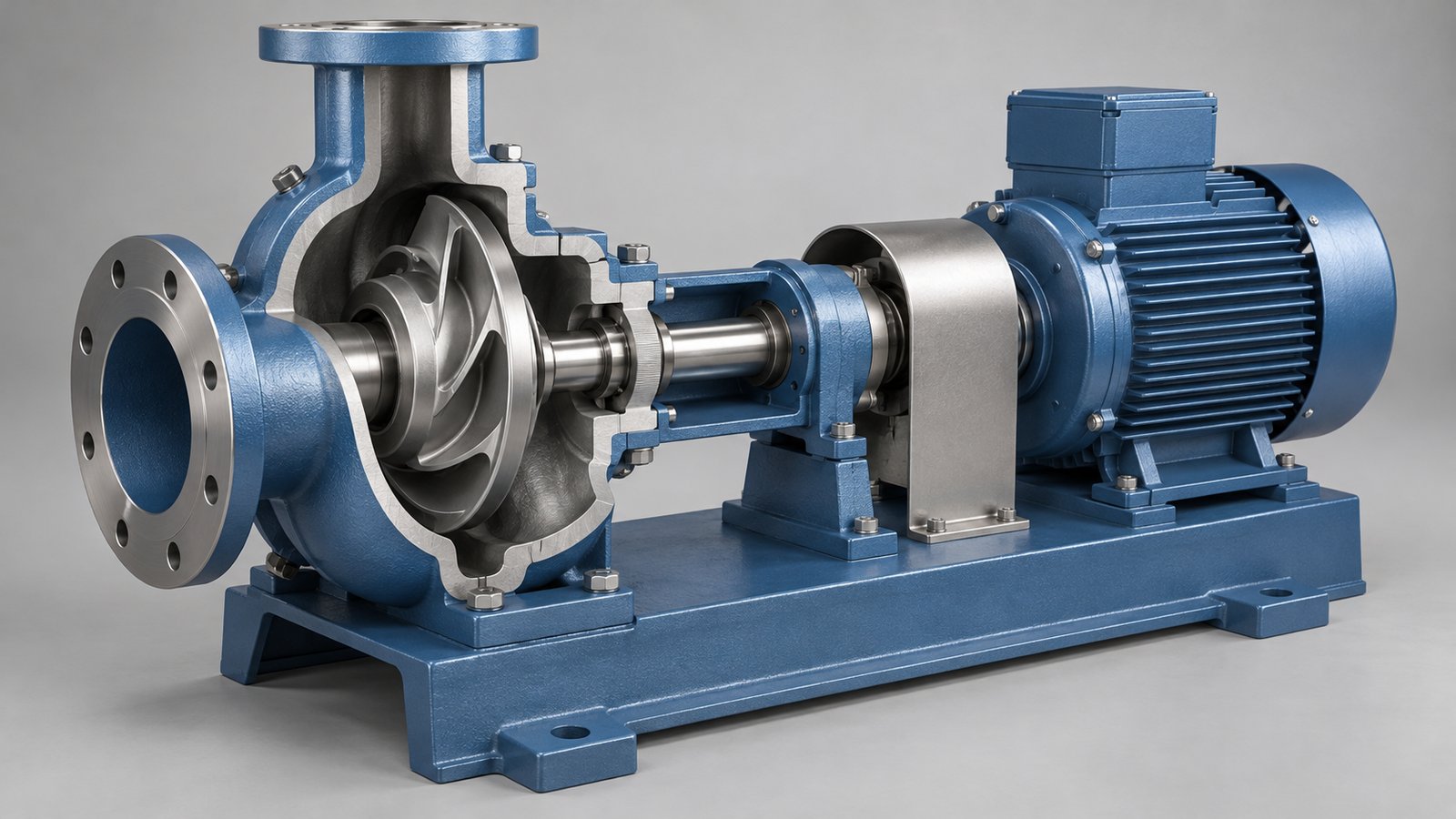
Animations that lack that level of care miss the point. Generic or templated visuals won’t work when a single bolt size or an airflow diagram makes a difference in product understanding or system operations.
What Is the ROI of 3D Animation in Industry-Specific Projects?
Technical animation can support onboarding, product explanation, or an investor presentation. Define the desired behavior first: correctly identifying a component, following an approved process, or asking fewer repeat questions. Choose a baseline and a comparison period before release so the team can evaluate whether the content helped.
For an onboarding project, record training time, instructor effort, and the result of the same knowledge or practical assessment before and after introducing the visual. Keep the task and learner experience comparable. A faster course is useful only if learners also meet the required understanding and performance criteria.
For a product or investor presentation, consider tracking repeat explanation requests, qualified follow-up questions, or the next agreed sales step. An animation can show a mechanism clearly, but investment and purchase decisions also depend on the product, evidence, budget, and market conditions. A change in engagement should not automatically be attributed to the animation.
A useful ROI estimate compares documented benefits with the full cost of production, review, deployment, and maintenance. Where benefits can reasonably be expressed in dollars, calculate ROI as (measured benefit minus total cost) divided by total cost. Keep the assumptions visible and distinguish a planning estimate from a measured result.
Common Animation Mistakes That Hurt ROI (and How We Avoid Them)
Not every animation project ends in success. Mistakes in 3D production planning can burn both budget and time. Among the most common problems are lack of realism, over-simplification, and erratic project communication.
Some studios lack technical expertise. They may build beautiful visuals, but if the gears don’t rotate correctly or fluid dynamics look off—or worse, are inaccurate—engineers and medical professionals may reject the content entirely. That disconnect is costly, especially if the animation is used for product approval or safety training.
Deadlines matter just as much. Late delivery can delay a product launch or stall field training. Austin Visuals solves this by using a streamlined pipeline with experienced team members who’ve worked on technical projects before. Unlike freelancers or generalists, our remote creative team specializes in engineering-driven visuals, ensuring the work holds up under strict industry review.
Agree on scope, approval milestones, and revision responsibilities before animation begins. New technical information or late changes can affect the schedule and budget. Recording assumptions and resolving sequence questions during storyboard or animatic review helps the team make those decisions before final rendering.
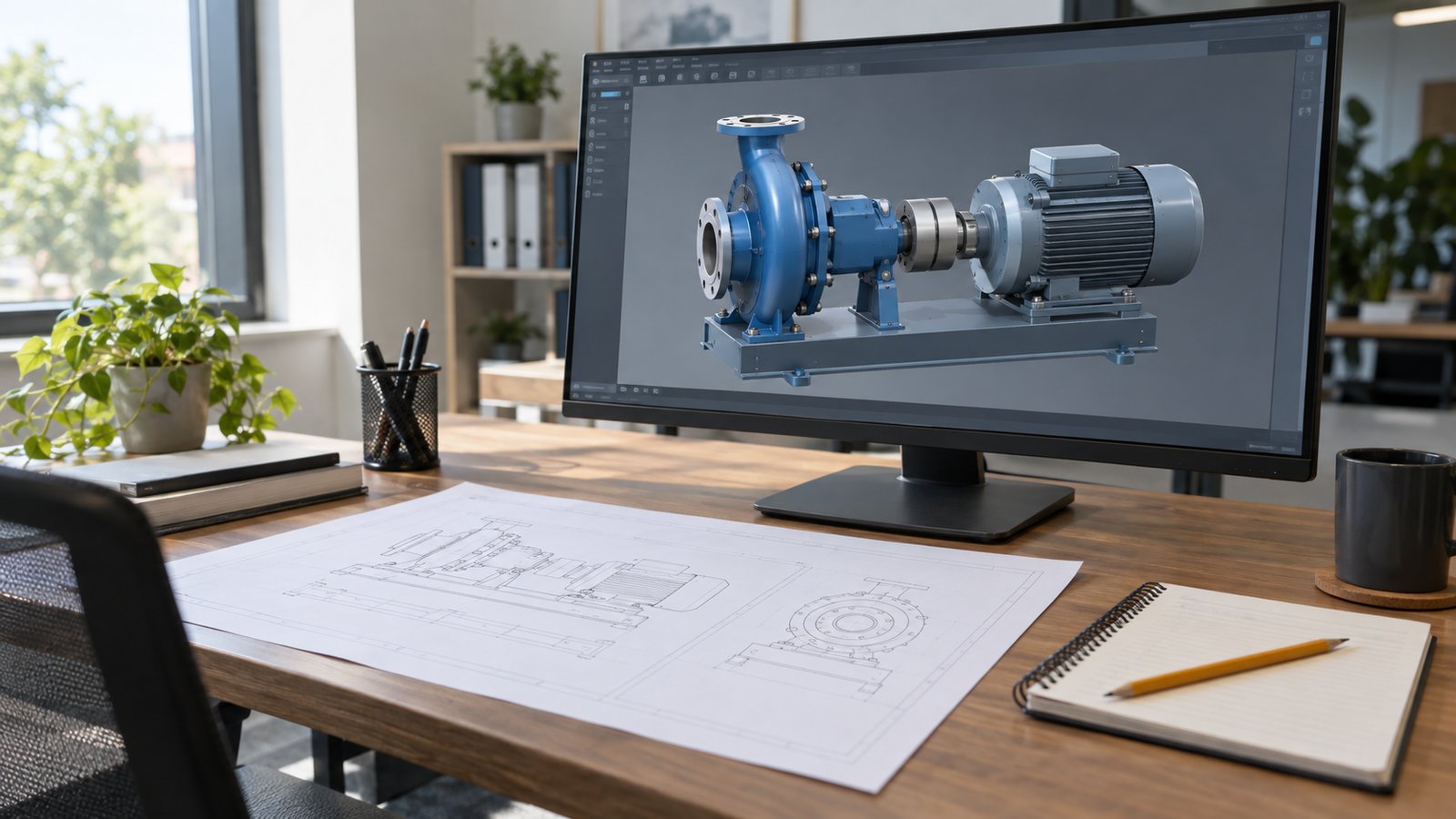
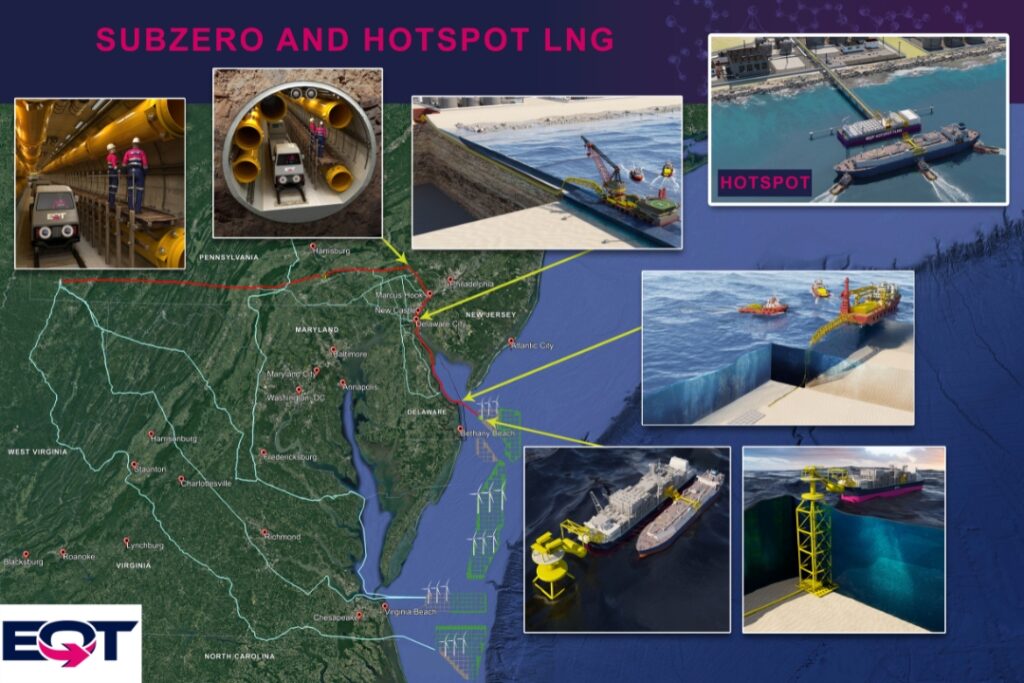
When Should You Invest in High-Accuracy 3D Animation?
Start sooner. A common assumption is that animation should only come in once a product is finished. But in many technical fields, including animation at earlier phases leads to better planning and fewer revisions.
During early development, an animation can help a team discuss a proposed assembly, access requirement, or operating sequence. It can make questions easier to see, but it cannot establish that an unbuilt machine will work. Engineering analysis, validated simulation where appropriate, and physical testing remain separate activities.
Planning to attract investment? Animation can simplify your message and present your innovation with greater clarity. Safety training? Use visual simulations to teach procedures without putting teams in hazardous environments. In technical marketing, on the other hand, animation makes it easier to explain features quickly without overwhelming non-engineering viewers.
The earlier you contact our team at Austin Visuals, the more support we can offer. Whether it’s reviewing CAD models, scripting around real-world constraints, or optimizing render times around the project scope, we help you avoid hidden costs and delays.
How Much Should You Budget for Technical 3D Animation?
The budget for technical 3D animation depends on the assets, scene requirements, technical review, and delivery format. Compare the production estimate with a specific communication goal and an agreed evaluation plan. Whether the project pays for itself must be assessed from actual costs and benefits.
Budgeting typically depends on four factors: project complexity, number of scenes, custom 3D modeling requirements, and turnaround time. For instance, a 30-second schematic overview with voice narration and light 3D movement often requires less time than a full product simulation that features internal cutaways, fluid simulation, and real-time interactivity.
We don’t push one-size-fits-all pricing. Every industry need is different—and we build budgets around your goals. At Austin Visuals, we help clients break large projects into smaller, manageable stages. That makes investing in technical visuals manageable and scalable across your organization.
Want a quote? Send us your project scope at info@austinvisuals.com or call +1-512-591-8024. Let’s help you build the right plan for your budget and ROI goals.

Published Austin Visuals Work for Technical Communication
These published projects show how technical subjects can be presented to different audiences. Use them as visual references when defining a brief, and evaluate business results against your own project objective.
John Deere: explaining cavitation to engineers
Austin Visuals' John Deere project article describes an animation made to explain a process involving cavitation to engineers. The published video shows a technical subject through motion and component relationships, offering a useful reference when planning an explanation of hidden mechanisms.
MSI: presenting a technical product launch
The published MSI laptop commercial project describes a fully animated presentation for the GT70 and GT60 launch. Its product views and visual narrative show one way to organize technical features for a marketing audience. The project article also includes the original client letter.
Illustrative Uses and How to Evaluate Them
Consider an illustrative field-training project explaining underground valve equipment. A 3D visual training series could show component relationships and an operator-approved sequence before supervised practice. The training team would compare understanding and task performance against its baseline. This is a hypothetical use case, not a report of an Austin Visuals client result.
For a medical-device investor presentation, a possible approach is to show the mechanism, its intended use, and the design assumptions with approved source material. Review the visual with the appropriate scientific or product stakeholders. Evaluate whether viewers understand the explanation without implying that the animation secured funding or regulatory approval. This is also an illustrative scenario.
For either use case, record the audience, learning or presentation objective, source information, reviewers, and release date. If outcomes are later published as a case study, include the measurement period, relevant baseline, limits of attribution, and the client permission needed to share the work.
Why Work with Austin Visuals Over Other Animation Studios?

Austin Visuals provides 3D animation for technical products and industrial processes. Useful starting materials include CAD, engineering drawings, reference footage, and an approved brief. Ask about the modeling and animation approach needed for your project, including which specialist reviews and simulations, if any, are part of the agreed scope.
Remote collaboration can support review with engineering and marketing stakeholders in different locations. Agree on a contact person, feedback schedule, and approval responsibilities. Compare proposals using the same deliverables and assumptions; a remote workflow by itself does not establish that one provider is cheaper or faster.
We’ve earned the trust of NASA, The Discovery Channel, and Boston Consulting Group by solving technical challenges for complex visual needs. Browsing our portfolio reveals working animations across countless technical topics—proof that we care about accuracy as much as aesthetics.
Our clients

Ready to Maximize Your ROI Through High-Accuracy Animation?
Technical animations are no longer a nice-to-have. In today’s competitive space, they’re a smart investment that supports training, funding, safety, and marketing success. If you’re looking to increase your business value with clear, accurate, and purpose-built visuals, we can help.
Email our team today at info@austinvisuals.com or call +1-512-591-8024 to discuss your technical animation project. We can help define the visual scope, required references, and review process around your communication goal.