
Introduction
Every business has a story, but turning that story into something audiences care about takes skill. You need more than marketing jargon or a nice logo. Real brand storytelling connects purpose, values, and visuals into a message people can recognize and trust. That’s where integrated storytelling steps in. It turns noise into clarity.
Visual content—especially animation—can translate complex ideas into something that feels simple, human, and memorable. If you’re looking to build a brand story that works across campaigns, devices, and audiences, you’re in the right place.
Let’s walk through how businesses can turn words and visuals into a message that supports growth. If you’re ready to discuss how Austin Visuals can help you tell your brand story effectively, reach out to info@austinvisuals.com or call us at +1-512-591-8024 for a free consultation.
Why an Integrated Brand Story Matters Now More Than Ever
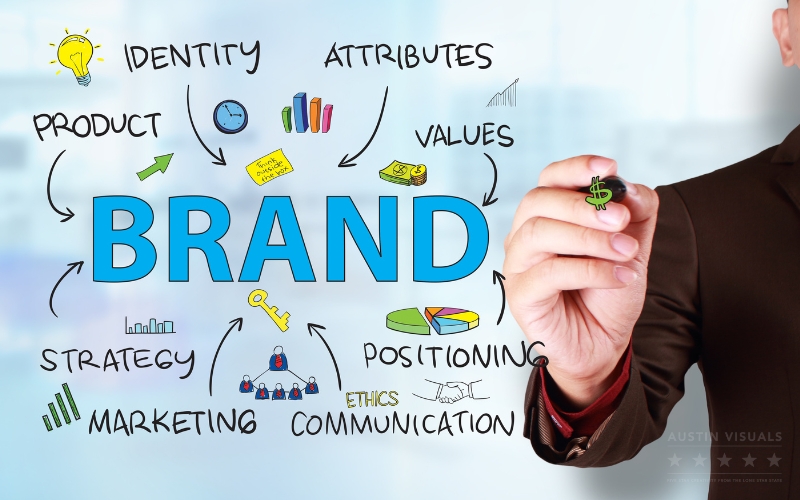
A brand story isn’t a one-liner or slogan. It’s the substance behind everything customers see from you—videos, websites, ads, and even sales calls. A strong brand message explains not just what you do but why it matters. It creates understanding. When people get your story, they remember you—and trust follows.
Brands that rely on disconnected messaging often limit their success. If your product says one thing, your visuals another, and your tone shifts every campaign, people get confused. That confusion pushes potential clients away. Integration solves this issue. When your message, visuals, and values match, you build a story people can follow from the first touch through the final sale.
This consistency is good for more than reputation. It saves time. It reduces waste. Campaigns that use the same core story need fewer revisions and tend to convert more effectively across digital channels. That’s a win across creativity and business goals. Austin Visuals helps clients bring this clarity to life with explainer videos and animated stories that align visuals to voice. Learn more about our brand explainer video service.
The Biggest Mistakes Companies Make When Telling Their Story
Most brands don’t suffer from lack of effort—just a lack of connection. Over time, as teams change, agencies come and go, and product lines grow, messaging begins to drift. Videos may not match your website’s tone. Your social feed speaks to a different audience than your trade show booth. The symptoms are easy to miss. The damage is not.
One of the most common issues is using visuals that don’t reflect what the company stands for. It could be outdated styles, generic templates, or misplaced humor. Without the right visuals, people either misunderstand the message or forget it within seconds. That makes your investment in content far less valuable.
Another mistake happens in the details of the story—characters that don’t feel right for the target audience, overuse of technical jargon, or scenes that fail to deliver emotion. When people don’t see themselves or their problems in the content, they tune out quickly. Brands also tend to underestimate the value of working with creatives who truly understand story structure, pace, and the technical demands of visual storytelling. At Austin Visuals, we bring 20+ years of experience to help clients avoid these traps using a proven method from scripting to final delivery.

Step-by-Step: How to Create an Integrated Brand Story
Step 1: Define the Core Message and Purpose
Before writing scripts or creating characters, get clear on your message. This isn’t just what you do—it’s why anyone should care. Focus on impact, not just features. Internal alignment helps here. Ask your leadership what the company stands for. Then test that answer with employees, partners, and customers. The answers should match.
Step 2: Align Visuals With Brand Voice
Visuals should match tone. If your brand voice is approachable, formal visuals may feel off-brand. If you’re targeting high-tech buyers, casual sketches might not build confidence. Every frame you design should reflect the message. The fonts, colors, and motion should express tone with purpose. That’s where skilled visual storytelling makes the difference.
Step 3: Choose the Right Type of Animation
Different stories need different tools. For emotional appeal or character-driven brands, 2D animation works well. It’s flexible and lets you use humor or empathy naturally. For industries like medical devices, architecture, or product engineering, 3D animation brings accuracy. You can show detail at a technical level most explainer videos can’t. Austin Visuals helps guide this decision through creative planning meetings so that you don’t waste budget battling the wrong medium.
Step 4: Build a Narrative Arc with Character and Resolution
Stories persuade because they engage the human brain on a personal level. A good brand story uses character, conflict, and resolution. Someone has a problem. They meet your solution. They win. This proven arc fits technical platforms, cultural initiatives, or product demos with equal strength. The mistake is starting with features. Start with problems and people, and your content becomes easier to follow.
Step 5: Deliver a Consistent Story Across Touchpoints
A good brand video deserves more than one upload. Post it on your website, share it on social, include it in sales decks, embed it into email campaigns. But make sure the message looks and sounds the same each time. Every video, graphic, or slide should come from one story spine. Consistency saves production hours and keeps your message working harder.
Want help from a team that builds brand stories every week? Let’s talk about your message and what visuals can best support it. Contact us now or call us at +1-512-591-8024.
When to Use Animation as Part of Your Brand Story
Animation makes abstract or complex ideas more clear. That makes it ideal for industries that deal with invisible benefits, such as SaaS, biotech, or data analytics. If your prospects can’t easily understand what you offer, video storytelling can bridge that gap faster than written FAQs or low-quality demo reels.
We often produce animation for:
- Product launches that need to show how something works before it hits the market
- Investor pitch decks where clarity boosts confidence
- Trade show videos that grab passing eyes in a crowded space
- HR onboarding and internal training that explains processes more clearly than pages of slides
- Website landing pages where holding attention equals more conversions
One great example from our studio is the 3D animated education video we created for NASA to teach scientific principles. It helped visualize large concepts in ways no camera shoot could deliver. When content needs clarity plus emotion, animation earns its spot fast.
Choosing the Right Style for Brand Videos: What Actually Works
Different styles tell different stories. It’s more than a look—it’s how people feel when they watch. A whiteboard style might simplify things, but can feel dry for corporate culture work. Character animation uses gestures and facial expressions that build emotional connection. It works well in HR, training, or health care videos. Motion graphics tend to attract tech-savvy audiences and work well in fintech and software demos.
3D animation builds realism. If you sell hardware or tools that users interact with, this style shows your product from every angle. For medical or industrial training, it also shows what’s under the hood—like bone structure or heat flow. Businesses in these fields benefit greatly from photorealistic 3D modeling.
We recently helped a medical startup explain their delivery device to non-technical investors. They needed confidence and clarity, and we delivered it through polished 3D animation built from scratch. The result helped secure seed funding faster.
How Austin Visuals Helps You Create a Winning Brand Story
Great visual stories come from experience and process. At Austin Visuals, we guide clients through strategy, scriptwriting, visuals, sound, revisions, and final delivery. Our in-house production team works across 2D, 3D, and motion graphics. We keep the entire creation pipeline in one studio to avoid delays and quality shifts.
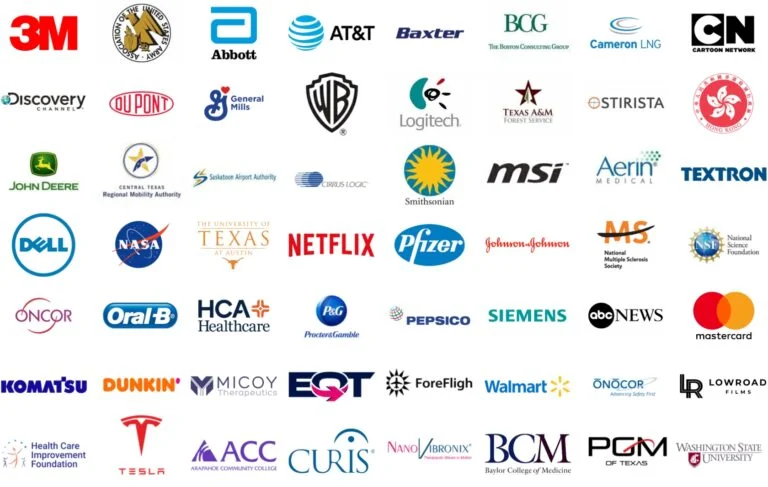
With 29 team members across creative, technical, and production roles, we handle corporate clients, funded tech startups, and established institutions like the Discovery Channel and the Smithsonian. We blend scientific detail with clear story beats to make even complex businesses feel human and credible. Our Texas-based team supports brands worldwide through remote work supported by secure approval systems and version control.
Clients return because our process saves time—and our outcomes speak clearly. When a defense contractor needed precision visual support for internal diagrams, they came to us. We delivered within scope, on time, and without surprises. That’s the standard we maintain.
Our Clients include:
Let’s Build Your Story – Together
Your story deserves the right platform, structure, and tone. Don’t settle for vague slogans or recycled visuals. Make sure your audience understands you the first time—and every time.
At Austin Visuals, we help brands clarify their message and bring it to life through video, motion graphics, and animation tailored to your business. Whether you’re launching a new product, unifying your voice across campaigns, or simply refreshing your brand identity, we’ll help you connect with your audience in a way that’s strategic, visual, and deeply human.
Unify your visual communications starting with a hero video.Contact us at info@austinvisuals.com or call 512-591-8024 to schedule your free strategy session.
Frequently Asked Questions
What makes a brand story effective?
A great brand story starts with a clear purpose. It’s not just what you sell, but why it matters. Effective brand stories are emotionally engaging, visually consistent, and easy to remember.
How do visuals improve storytelling?
Visuals turn abstract ideas into something concrete. Animation and video help explain complex topics, create emotional resonance, and give viewers a clear picture of your product, service, or mission.
Is animation better than live video for brand stories?
It depends on your message and audience. Animation offers flexibility, control, and clarity—especially for products or services that can’t be filmed easily. Live video works well for testimonials or showing real environments. We often recommend a hybrid strategy.
Can you match our existing brand style?
Yes. We work with your brand guidelines to ensure all fonts, colors, and visual styles stay consistent. We can also help develop a visual identity if your current brand lacks one.
What if we don’t have a script or visual direction?
No problem. Our team handles scriptwriting, storyboarding, and style development. We start with a discovery call to understand your message and guide the creative process from there.
How long does a brand video project take?
Most projects take between 4 and 8 weeks, depending on complexity and revisions. Rush delivery is available for product launches or campaign deadlines.
Who have you worked with?
We’ve partnered with NASA, the Discovery Channel, LDR Spine, and government agencies, as well as startups and mid-sized companies across tech, healthcare, and manufacturing.
Have a Project to discuss? Use this form to Contact Austin Visuals