Introduction
Launching a medical device is a precise process that requires more than engineering and clinical testing. You need a way to explain your product clearly, quickly, and in a way that builds confidence. That’s where a medical device visualization studio comes in. From simplifying complex functions to helping teams pitch ideas to investors, expert visual storytelling plays a central role before and after your product hits the market. Knowing when to bring visuals into your process can make the difference between a delayed launch and a successful introduction.
If you’re entering a critical stage in development or preparing for a product launch, a medical visualization team can be your best asset. Reach out now at info@austinvisuals.com or call +1-512-591-8024 to speak with Austin Visuals. Let’s give your breakthrough product the visuals it deserves.

Why Visualizations Are Critical for Medical Device Launches
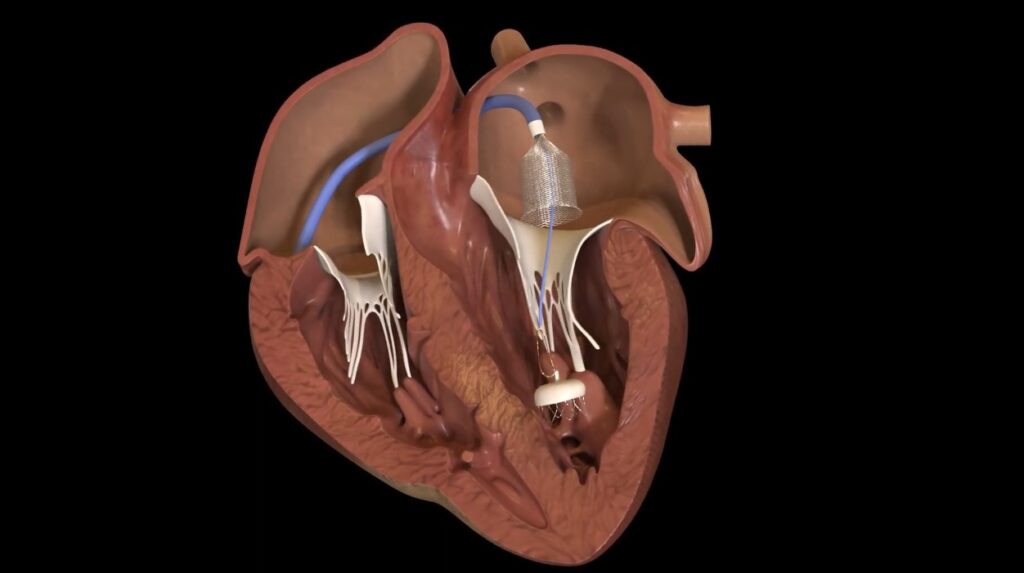
In medical technology, even the most useful device means little unless the concept is understood. A surgeon, hospital buyer, or potential backer has limited time to learn all the features and functionality. Detailed product visuals—especially 3D animations—bridge this gap. They represent mechanical workflows, highlight benefits, and display real use cases without the need for physical devices.
Animations help in ways static images simply can’t. They show movement, interaction, and real scenarios. With the right design elements, your product becomes easier to understand by clinicians, engineers, patients, and regulators alike. Proper visualization turns complexity into clarity and translates your clinical value into visuals that matter in sales, marketing, and education. A well-produced animation also becomes a reusable asset across presentations, trade shows, social platforms, and internal communications.
This is especially valuable when explaining minimally invasive tools, implants, wearable devices, or custom machinery. A 3D demonstration reveals how components work together in real time and reduces confusion. Instead of asking your audience to imagine your vision, you can show it with factual precision.
Key Challenges in Marketing a New Medical Device
New medical products don’t just sell themselves. Even with strong clinical data, gaining traction means overcoming communication hurdles. Healthcare professionals and vendors are cautious. Any feature they don’t fully understand becomes a reason to pass on your offer. Without visuals that break down function, safety, and innovation, your message might not reach its target.
There’s also regulation to handle. Communicating how a device complies with FDA or CE standards doesn’t just come down to text descriptions. 3D animation can offer an accurate, professional illustration of safe use and improved outcomes. It also helps engineering and compliance teams define protocols more clearly. So while text and diagrams offer technical facts, animated scenes provide spatial context, helping reviewers trust your submission.
Investor pitches have a similar problem. Financial backers don’t want long technical speeches—they want to see what makes your product different. When Austin Visuals works with healthcare startups, we often craft one-minute scenes that combine utility, specs, and market advantage all in one custom animation. The right scene shows how your idea works faster than any document or brochure.

How to Choose the Right Medical Visualization Studio
Not every creative team is built for the medical field. A good animation studio knows visuals—but a professional medical device visualization studio for product launches goes further. They understand anatomy, understand surgical protocols, and take your clinical insight seriously. Accuracy isn’t optional—it’s expected.
Your studio should offer more than artistic skill. They should be able to match your project timeline, adapt to technical feedback, and provide scientific accuracy. At Austin Visuals, our team trains alongside engineers and healthcare professionals to produce fact-based storytelling. Our medical visuals are designed not just for style, but for clarity and compliance.
Experience also matters. Complex subjects require a practiced hand. Our client list includes NASA, LDR Spine, and medical startup innovators from across the globe. These partners chose Austin Visuals because our process is direct, our communication is efficient, and our quality supports both design and science. Our animation teams hold themselves to high clinical standards, and we adjust our visual approach depending on surgeon feedback, development goals, and your audience’s expertise level.
When is the Right Time to Start Working With a Visualization Studio?
Ideally, animation should come into play early—long before your launch date. Many companies wait until the last month, but by that time, production needs visuals for marketing, engineering teams need prototypes better explained to stakeholders, and investors want a faster turnaround on presentations. Waiting too long can push your deadlines or reduce quality.
Starting early lets you use visuals across development. Clinical testing videos, prototype renderings, and use-case demonstrations benefit the project at many stages. Whether you’re presenting to the board, attending a conference, or submitting to the FDA, you’ll need clear content. Working with a studio during prototyping or pre-market planning gives you more flexibility and prevents rushed results.
Expect a thoughtful 3D animation project to require 3–6 weeks, from script writing to finished asset. More complex visuals—especially those with multi-part hardware or surgical application—may need longer. A good studio will help you plan ahead and fit the animation process into your current deadlines without stress.
From Concept to Launch: Our Proven Process at Austin Visuals
At Austin Visuals, we’ve built a process that respects your development cycle. Our team handles each project with precision, from initial concept art to the final animation. You’ll have a dedicated creative director—your key point of contact—who manages the entire production and coordinates with script writers, animators, modeling experts, and medical consultants if needed.
Our artists are globally based but coordinated through our primary Texas office. That means around-the-clock progress and fast updates. Our system is designed to support remote collaboration while meeting American compliance needs. Projects can include review stages or FDA submission previews depending on your goals.
If you’re unsure what visuals you need, we’ll help you schedule a discovery call to plan the script and production styles that fit your audience. Whether it’s investors, doctors, compliance teams, or trade show attendees, we adjust the tone and technical depth based on your target viewer.
Our Clients include:

What Types of Visual Content You’ll Need for a Successful Launch
Different stages of your process call for different tools. In early phases, a simple animation of the intended function can help secure funding or pre-orders. As development continues, your team may need internal training clips or patent demonstrations. Toward the launch itself, polished product demos show assembly steps, human interaction, or internal mechanisms.
For medical device launches, some key visuals include:
- Exploded-view animations that show each part and how it connects
- Motion graphics that simulate usage or surgical guidance steps
- Investor presentation clips with narration on unique selling points
- Social media visual shorts for press announcements or marketing campaigns
- Trade show videos or interactive monitors that loop key animations
Each piece supports a specific milestone in your go-to-market plan, so nothing is wasted. Every animation can be repurposed or modularly adjusted for future use.
Why Austin Visuals is Trusted by Leaders in Health Tech
With over 20 years in animation and more than 2,000 completed commercial projects, Austin Visuals supports innovation with professional visuals that work fast but stay accurate. We’ve built a remote-ready artist team backed by hands-on direction and client support based in Austin, Texas. Our styles range from realistic surgical simulations to matte-style educational sequences, depending on what your goals require.
Trusted by health and tech brands like NASA, LDR Spine, and several early-stage medical device startups, we deliver visuals that are grounded in science and made for public release. Many of our medical clients return after launch with requests for updates or modular adjustments. That’s because we build visual strategies that can grow with their product line. We’re more than a service provider—we’re a visual partner who understands your field.
If you’re a product manager or startup founder preparing for a launch, Austin Visuals can support your visual communication every step of the way. Email us directly at info@austinvisuals.com or call +1-512-591-8024—your launch deserves precision-driven visuals and a clear message.
FAQs
How much does a medical device animation usually cost?
Costs can vary based on animation length, design complexity, and the number of revisions. Most professional medical device animations range from $5,000 to $25,000. Custom quotes are available through a short discovery call.
Can you work with confidential device designs under NDA?
Yes. Austin Visuals regularly works under non-disclosure agreements, especially with pre-market devices. We protect your intellectual property and operate with professional discretion.
Do I need to provide CAD files or illustrations?
CAD models help, but they’re not required. We can build accurate 3D models from sketches, photos, or blueprints to match your real device.
How long does production take?
Most animations take 3–6 weeks. Complex projects or surgical visuals may need more time, but we’ll plan a clear schedule from the start.
What formats do you deliver?
We provide 4K or HD videos ready for web, presentations, or trade shows—with optional short clips for social media or investor decks.