
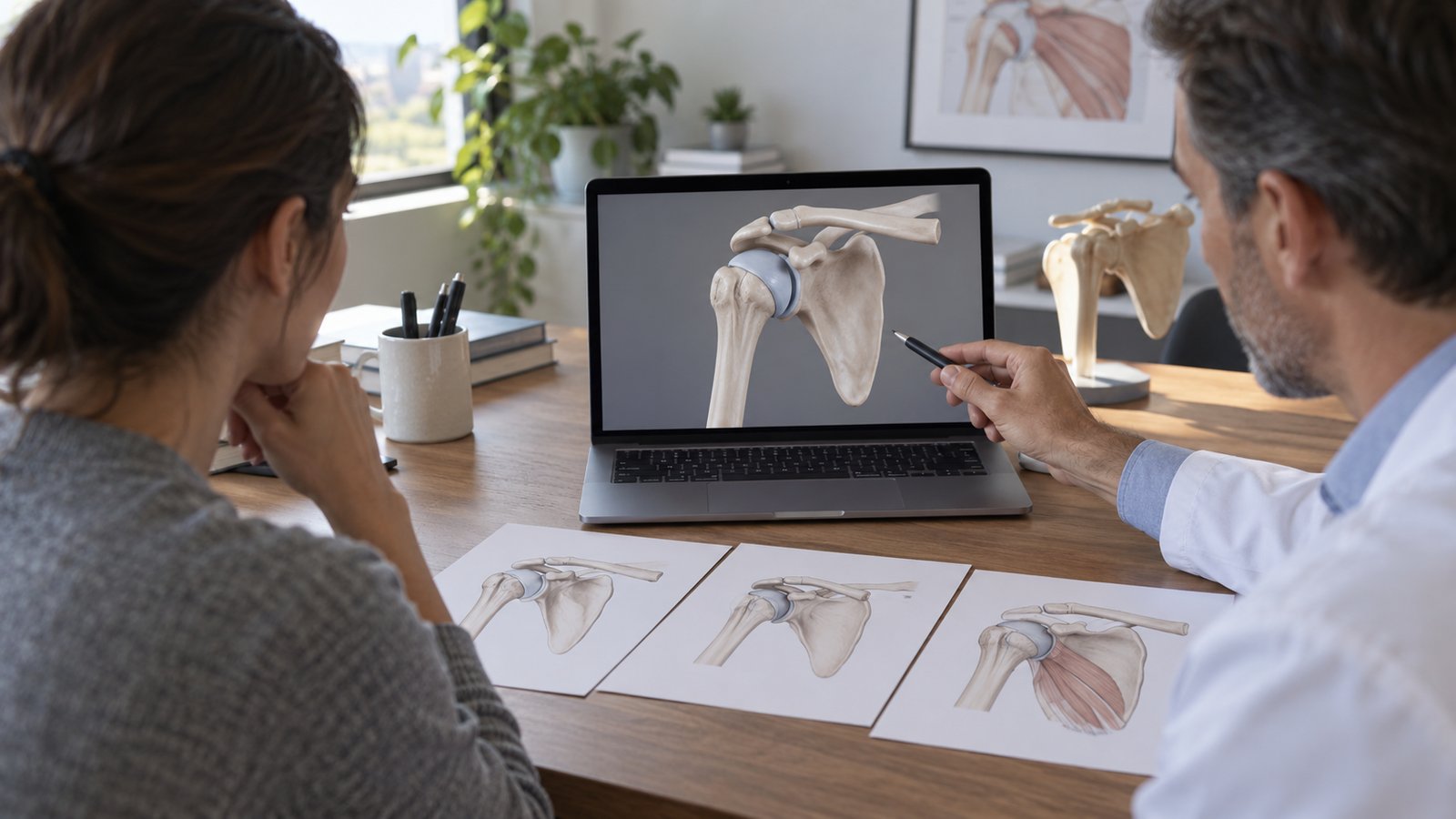
Benefits of 3D animation in healthcare include showing internal structures, explaining movement, and presenting a medical process from a controlled viewpoint. Its value depends on the audience, the accuracy of the explanation, and how the video supports a specific communication task. A detailed image alone does not establish a better learning or treatment outcome.
Austin Visuals creates medical animation for device demonstrations, procedures, and scientific communication. For a buyer considering this format, the useful question is what the viewer needs to see and understand. That decision should guide the script, visual detail, and review process.
Discuss a healthcare animation project with Austin Visuals.
Showing anatomy from a useful viewpoint
3D medical animation can show spatial relationships by changing the camera position and selectively revealing structures. This is useful when the explanation depends on depth or on how one component sits beside another.
A model of a joint can be viewed from different angles without recording another physical demonstration. Surrounding structures can be made transparent so that the viewer can follow a selected motion. The reviewer should approve the relationship between the structures and any simplification used to make the scene readable.
A useful view directs attention to the part that matters. Showing every structure with equal detail can make the explanation harder to follow. Camera movement should reveal something the audience needs, rather than continuously rotating a model for visual effect.
Explaining movement and sequence
Animation can illustrate how an action unfolds over time. It lets a team slow a selected movement, repeat a step, or separate a complicated sequence into understandable scenes.
For example, a device explanation might show the product assembled, reveal an internal component, then show the component’s intended motion. The script can explain why that movement matters while the image keeps the relevant part in view. This is an illustrative planning example, not a claim about a particular device.
Changing speed or scale should be deliberate. A time-compressed biological process can look immediate unless the narration or a label explains the change. An enlarged molecular interaction also needs context if viewers could mistake it for the actual relative dimensions of structures.
Comparing patient and professional education
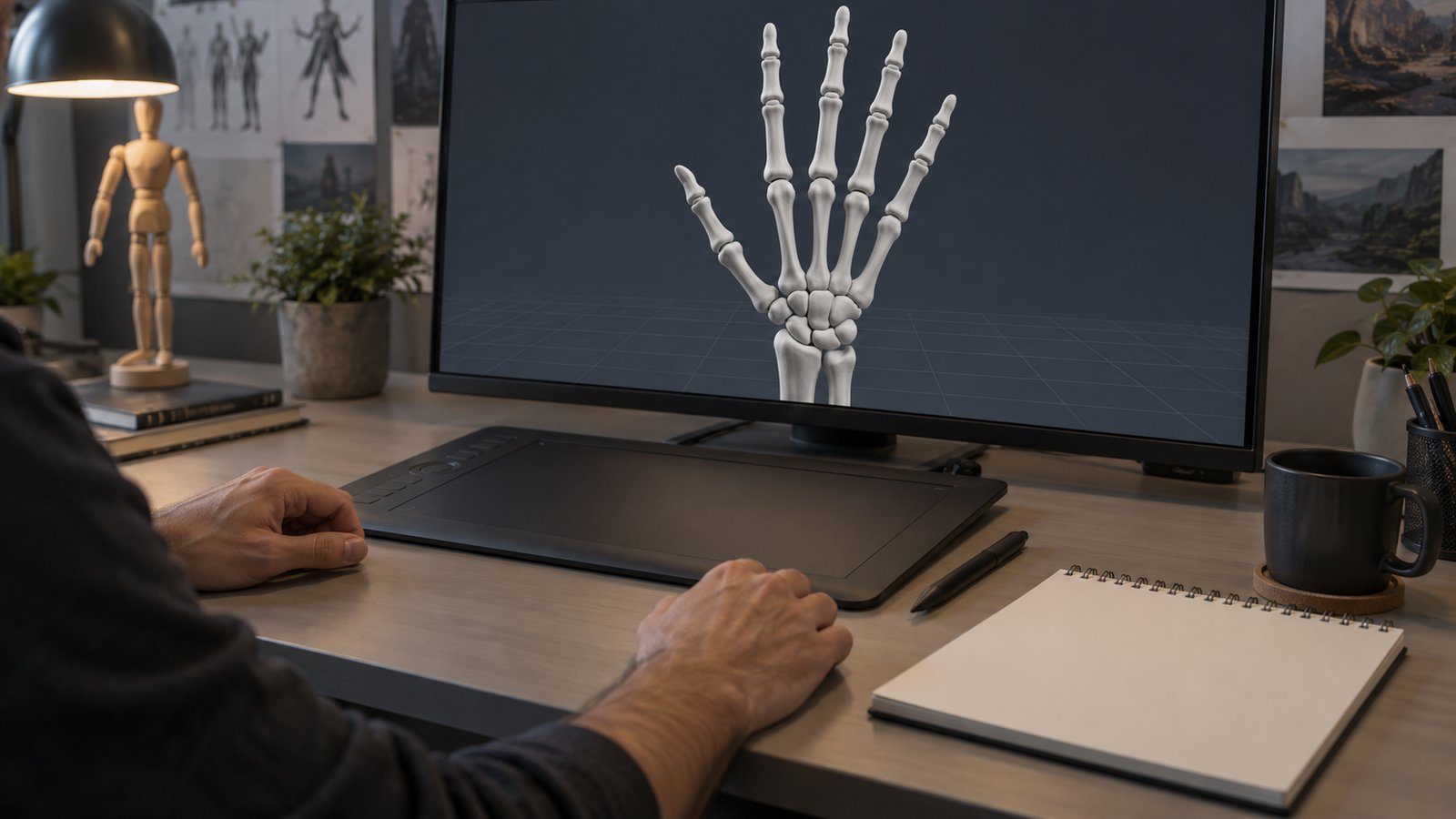
Patient education and professional education need different levels of detail. A patient-facing video should use understandable language and the information relevant to the conversation, while a professional explanation may need more precise anatomical or technical detail.
| Use | Useful visual focus | Review question |
|---|---|---|
| Patient education | A clear overview of anatomy or what a procedure involves. | Does the explanation match the information the clinician provides? |
| Professional instruction | Spatial relationships and a selected sequence. | Are the anatomy and sequence correct for the stated purpose? |
| Device communication | Product components and intended function. | Do the visuals match current design references and approved statements? |
| Scientific communication | A defined process or proposed mechanism. | Does the presentation distinguish evidence from interpretation? |
Patient materials can accompany a discussion with a healthcare professional and provide something to revisit afterward. The production brief should establish what viewers need to know and which questions the material is expected to support. A general video cannot account for every patient’s circumstances.
The CDC’s guidance on health communication visuals recommends keeping words and images consistent with the main message. In practice, the narration, labels, and moving image should explain the same idea at the same time.
What the medical teaching literature establishes
A published discussion of a visualization technique can help explain its use, but its conclusions must be read within the source’s scope. Avoid turning an example of medical teaching into a promise that every animation improves comprehension.
Tim Vernon and Daniel Peckham’s 2002 review, The benefits of 3D modelling and animation in medical teaching, discusses still and animated output from computer-generated models and how those models are made. It appeared in the Journal of Audiovisual Media in Medicine, volume 25, issue 4, pages 142-148, DOI 10.1080/0140511021000051117.
The abstract supports discussing the technique in medical education. It does not establish a universal percentage improvement in learning, reduced anxiety, or superiority over every 2D illustration. An organization making an outcome claim needs evidence that matches the audience, material, and measure being discussed.
When a 2D illustration or live video may fit
A 2D illustration can be sufficient when the explanation needs a clear overview or labeled relationship without changing depth. Live video can be useful when actual handling or the physical environment is central to the lesson.
For a patient journey, simple illustrated steps may convey the message with fewer distractions. A static diagram may also be useful when the reader needs time to compare labels. Viewers can study it at their own pace without pausing a moving sequence.
3D is useful when depth and viewpoint contribute to the explanation. Mixed media can combine that view with live handling footage, labels, or a flat diagram. Compare the formats against the same communication objective before choosing a style.
Production cost and schedule depend on the particular work, not just whether the label says 2D or 3D. A detailed illustrated sequence can require substantial effort, while an approved existing 3D model may reduce new modeling work.
Using device visualization responsibly
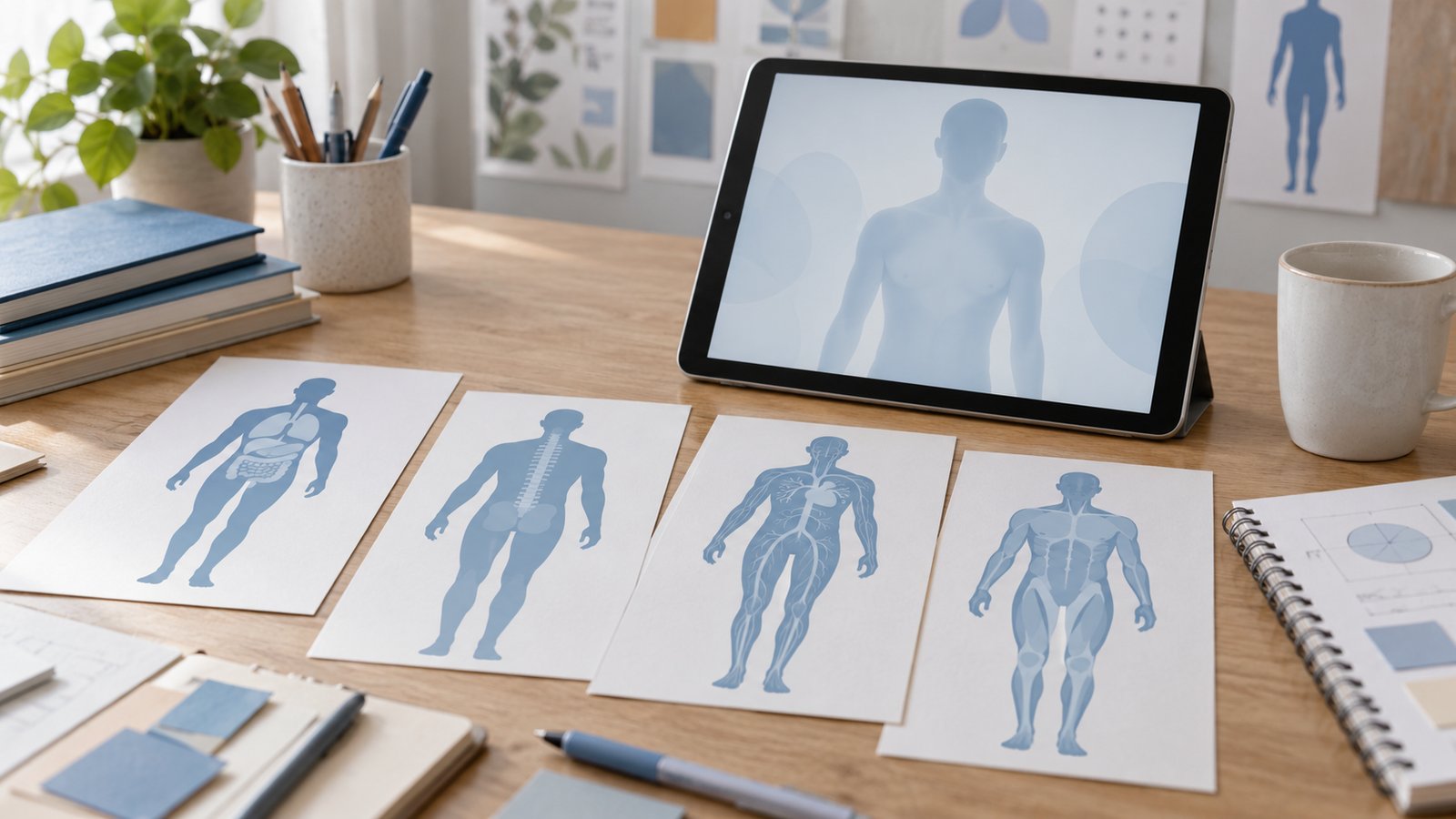
Device animation can explain a design or mechanism before the viewer has the physical product available. The presentation should make clear which design version it represents and what claims the supporting information permits.
Provide current drawings, available CAD files, approved product information, and a description of the movement to be shown. A model built from a concept sketch should be reviewed differently from one based on engineering geometry. Neither a realistic render nor a supplied CAD file proves clinical effectiveness.
The client’s product and regulatory reviewers should check the relationship between the animation and the intended use. A visual that suggests an unapproved benefit can be misleading even when the narration uses cautious wording.
For patient-facing device material, the FDA’s April 2001 patient labeling guidance is a reference for preserving the meaning of professional labeling in lay explanations. The relevant reviewers should determine how those principles and current requirements apply to the specific asset.
Review the finished explanation and its delivery
Review the complete animation with its narration and labels, rather than approving those parts only in isolation. The relationship between sound and image can change what the audience understands.
Check whether a cut hides a step, whether a label stays visible long enough, and whether color implies a meaning the script never explains. Confirm that a simplified view has enough context for the intended viewer. A different audience may need a separately reviewed version.
Delivery planning should cover playback setting, captions, language versions, and access to the video. A silent conference loop relies on visual explanation in a different way from a narrated patient education asset. Decide how each version will be approved and kept current.
If the goal is learning, choose an appropriate way to assess what viewers understood. If the goal is product inquiries, measure inquiry quality separately. View count by itself answers neither question.
How Austin Visuals helps with benefits of 3D animation in healthcare
Austin Visuals offers medical animation for devices, procedures, and scientific communication. A project discussion can start with the audience, supported message, and available references. Identify the relevant reviewers and the delivery setting so the production scope reflects the explanation the audience needs.
Explore Austin Visuals services and project planning for the relevant production scope and examples. The content and required review should be confirmed for your particular project.
Prepare a clear project brief
Choose the audience and objective before deciding how much visual detail the project needs. Gather the current references, identify the people who can approve the explanation, and specify the delivery versions. These decisions provide a practical basis for production planning and a useful project discussion.
Have an animation project to discuss?
Share your audience, references, and delivery requirements with Austin Visuals to discuss an appropriate production scope.
Contact info@austinvisuals.com or call (512) 591-8024.
Frequently Asked Questions
What are the benefits of 3D animation in healthcare?
3D animation can show depth, internal structures, and movement from a controlled viewpoint. Its usefulness depends on the explanation, audience, and medical review.
Is 3D medical animation always better than 2D?
No. Choose 2D or 3D according to the information the audience needs. A clear flat illustration can suit a conceptual overview, while 3D can help explain spatial relationships.
Can medical animation show something a camera cannot easily capture?
Yes. Animation can illustrate a selected internal or microscopic view using reviewed references. The team should identify simplifications in scale, speed, or visible structures.
Does a medical animation prove that a treatment works?
No. Animation explains the stated subject. Claims about treatment effectiveness require appropriate evidence separate from the visual presentation.
Who should check the animation for medical accuracy?
A qualified subject matter expert should review the script and visuals. Engineering, product, or regulatory reviewers may also be needed for a device-focused project.
What should a healthcare animation brief include?
Include the audience, communication objective, current references, required formats, and review responsibilities. Identify which statements and visual details need approval before production.