
Indotruction
Standing out in the medical device market means more than manufacturing a good product. It means building trust, displaying accuracy, and educating your audience before they ever initiate a purchase. Medical professionals and healthcare providers don’t want fluff—they want facts delivered with clarity.
That’s where custom video comes in. A strategically developed video shows your expertise instead of telling it, making your brand feel reliable, modern, and ready for clinical adoption.
If you’re aiming for stronger brand presence, shorter sales cycles, and better communication with clinicians and decision-makers, custom video might be the tool you’ve been missing. Let’s take a deeper look at how your medical device company can use video content to gain real credibility—and meaningful traction—in a crowded space.
Ready to build trust with medical buyers? Email us at info@austinvisuals.com or call +1-512-591-8024 for a free strategy session today.
Why Brand Authority Matters in the Medical Device Industry
Medical practitioners and decision-makers don’t make purchases based on flash. They buy solutions backed by accuracy, science, and a solid reputation. When a product relates directly to health outcomes or surgical performance, the standards for trust are especially high.
Brand authority goes beyond name recognition. It involves perceived reliability, accuracy of information, and confidence in both your product and your process. Hospitals, clinics, and regulatory agencies evaluate how well you communicate—not just what you produce. And in most cases, they need clarity, not jargon.
An authoritative brand is associated with product safety, clarity in application, and openness in communication. If your device impacts a surgical procedure, a diagnostic process, or long-term patient care, your brand must signal responsibility from the first point of contact. That’s where custom video becomes a key asset—providing accurate product education and showing how problems are solved through your solution.
Challenges Medical Device Brands Face in Gaining Authority
Creating trust across a medical audience means dealing with some unique challenges. First, your target buyers—doctors, specialists, hospital administrators—often deal with time limits and information overload. They need to understand how your product works fast. Most of the time, a static brochure won’t cut it.
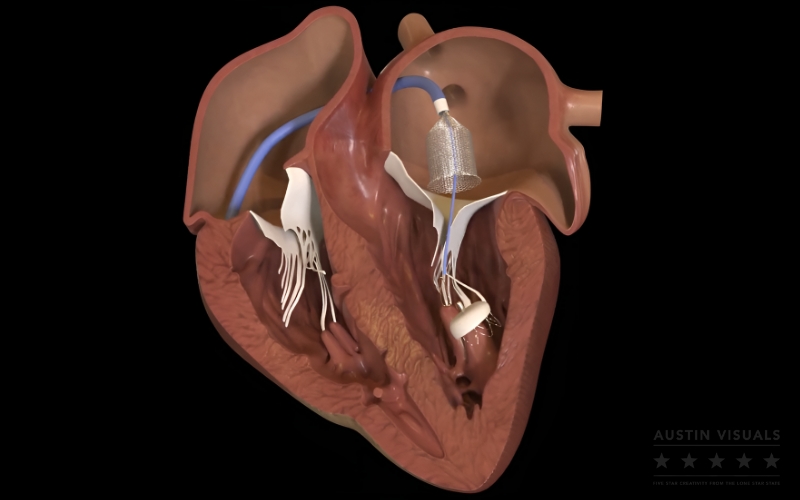
Another concern is that medical devices are often highly specialized. Explaining how a spinal fixation system or a diagnostic sensor functions can’t rely on text alone. It must include visual demonstrations that are precise and biologically accurate, especially when the viewer is a trained surgeon or specialist.
Regulatory restrictions also come into play. Every communication touchpoint needs to be medically sound, with visuals and claims matching what’s approved by regulatory agencies such as the FDA. Missteps, even minor ones, can raise red flags and slow down approvals.
Market saturation is another barrier. Every year, new devices enter the scene, many claiming to be “revolutionary.” In this environment, what sets your company apart is not just the product, but how clearly you can convey its benefit to users and buyers. If they can’t picture how your device performs in a real-world context, they’ll move on.

How Custom Video Builds Trust and Visibility in Medical Markets
In healthcare, seeing is often believing. Especially when purchasing decisions affect patient care. That’s why video—especially custom, product-based video—is becoming the go-to method for marketing medical devices.
Short, well-crafted visuals solve a core problem: they quickly show how something works while keeping compliance in check. And because video engages multiple senses—sight and sound—it improves information recall. This matters when surgeons and procurement officers are stacking solution providers side by side.
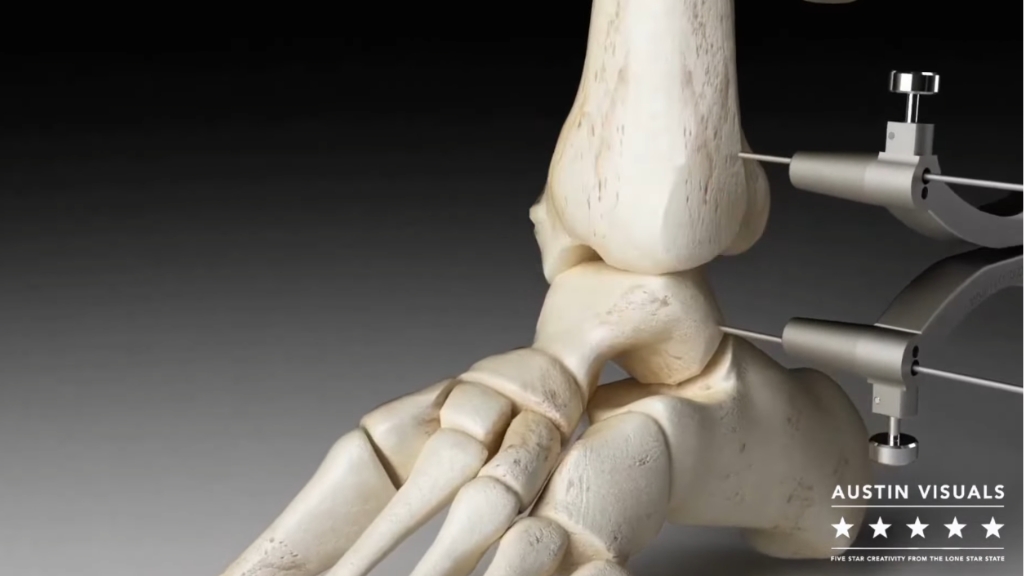
Animated explainer videos are especially useful. They allow you to model anatomy, device parts, procedural steps, and user benefits without needing live patient footage or on-site filming. These animations can be built from your existing CAD files or product renders.
More than just technical clarity, customized videos also create association. When viewers see your color palette, hear your voice tone, and learn through your lens, they begin building memory and trust with your brand. That’s key to long-term authority.
Austin Visuals has created this kind of content for institutions like NASA, LDR Spine, and the Discovery Channel, where accuracy and storytelling must come together. One of our past projects with LDR Spine helped explain a spinal implant system through a precise 3D animation—ultimately used in sales pitches to leading hospitals.
Types of Videos That Work Best for Medical Device Branding
Medical brands need video styles that clearly support communication goals. Instead of chasing trends or flashy design, the focus must remain on viewer understanding. The following video types have proven most effective in branding the functionality and safety of medical technologies.
3D Explainer Animations:
are essential for showing how your product works inside the body. You can animate the device in motion, rotating, expanding, or engaging with tissue, without limitations. This lets your audience visualize functionality and fit. Highly technical concepts become easier—and safer—to understand.
Live Action with Visual Effects (VFX)
provides a realistic way to deliver clinical training, testimonials, or insight into your manufacturing environment. When paired with overlays or graphic callouts, it reinforces credibility while showing real-world applications or peer endorsements.
Whiteboard and 2D Animations
are useful during early education or outreach to non-specialist audiences, such as investors or hospital buyers who need a strategic overview but not in-depth technical walkthroughs.
Procedure Walkthroughs
break down the key steps in device use—start to finish. These visuals offer clarity to training departments or medical education partners and reduce the risk of misunderstandings or incorrect device use.
Modified Product Simulations
for trade shows or investor meetings are another powerful format. These replicable, animated environments let people interact with a realistic showcase of your device, even before regulatory approval or full-scale production.
Tips for Creating Effective Medical Animation Content
Video content should never feel generic—especially in medicine. When producing medical animations or live-action training videos, accuracy defines credibility. You have one shot to build confidence during the first 30 seconds of a video. Every visual, every sentence, needs intent.
Start by aligning your messaging to compliance and clinically approved data. A technical adviser, internal or external, should check that your terminology, anatomical details, and procedural flow match the actual application. Remember that your viewers may have advanced medical degrees—scientific accuracy is expected.
Pacing and tone also matter. Medical professionals respond to clear, confident storytelling. Avoid fluff or marketing slogans. Let your product’s functionality and results speak through visuals, voiceover, and design choices.
Use consistent brand colors, fonts, and transitions that match your device’s professional identity. And always work with an experienced producer familiar with the demands of the healthcare space. Studios without this experience may introduce design errors that damage credibility.
Why Choose Austin Visuals for Your Medical Device Brand Videos
Austin Visuals has specialized in custom medical animation and video production for over a decade. Our artists don’t just build visuals—we develop communication tools that help our clients secure funding, clarify complex concepts, and accelerate adoption inside hospitals and surgical centers.
Our team includes 29 in-house experts—from 3D medical animators to script writers and voiceover professionals—who understand both the technical and scientific aspects needed in healthcare video production. From our base in Texas, we have worked with major global clients including LDR Spine, Discovery Channel, NASA, and the Department of Defense.
Because our process is built around custom creation—no templates, no recycled approaches—your video reflects the exact visuals and tone needed to reach your audience. Whether we’re developing a 3D implant animation or filming your surgical suite with real staff, our goal is outcome-based storytelling.
We manage every point of production in-house: scripting, storyboarding, design, animation, filming, and editing. That keeps your timing on schedule and your messaging under control. We also help medical clients prep their visuals for presentations at trade shows, startup showcases, and FDA advisory meetings.
Our Demo reel 2025
Getting Started: Your First Consultation with Austin Visuals
Starting a custom video project with us is as simple as reaching out. Once you contact our team, we’ll schedule a discovery call. On that call, we’ll listen to your goals, offer clear direction on video types that support your business objectives, and walk you through what production might look like on our side.
We’ll talk about timelines, review your existing materials such as CAD files or diagrams, and offer guidance on how to approach scripting and voiceover development. From start to finish, we’ll keep it focused and efficient.
Most of our projects include creative direction, scriptwriting, 2D or 3D animation, voiceover, and revisions. You’ll receive drafts at multiple stages so you’ll never feel surprised or out of the loop. We also offer fast turnaround packages for product launches or trade show deadlines.
Let’s bring your medical device story to life. Austin Visuals creates accurate, compelling video content that gets results. Book your free consultation today. Email us at info@austinvisuals.com or call 512-591-8024. Let’s turn complex science into clear, powerful visuals your audience will remember.