Timeline is one of the first questions any business asks when planning an animated video — and one of the hardest to answer without context. Ask five different studios and you’ll get five different answers, ranging from “two weeks” to “four months,” often with no explanation of what drives that difference.
The honest answer is that animation production timelines depend heavily on the type of video, the complexity of the subject matter, the length of the deliverable, how many people need to approve it, and how prepared your team is when production begins.
At Austin Visuals, we’ve produced animated content for clients in medical, industrial, legal, SaaS, defense, and corporate sectors — and timeline planning is one of the most important conversations we have at the start of every engagement.
This post breaks down realistic production timelines by video type, explains what each phase of production actually involves, and helps you plan accordingly.
Why Animation Takes Longer Than Most People Expect
Before getting into specific timelines, it helps to understand what’s actually happening during an animation production. Unlike live video, where you can shoot footage in a day and edit it in a week, animation builds every single frame from scratch.
Nothing exists until someone creates it. The characters, environments, lighting, motion paths, camera angles, and transitions are all constructed — whether in 2D software, 3D rendering environments, or motion graphics tools. That process is methodical, sequential, and time-intensive by nature.
The other factor most buyers underestimate is the approval process. Animation is revised in stages — script, storyboard, styleframes, rough animation, final animation, sound. Each stage requires your team’s review and sign-off before the next one begins. If feedback takes two weeks at each milestone instead of two days, the production timeline expands accordingly. The studio isn’t the only variable.
Typical Animation Production Timelines by Video Type
These ranges reflect professional studio production under normal conditions — meaning an engaged client, reasonable feedback turnaround, and no major scope changes mid-project.
60- to 90-Second 2D Explainer Video: 4 to 7 weeks
This is the most common format for B2B explainer videos. The process includes script development and approval, voiceover recording, storyboarding, styleframe design, animation, and sound design. Most of the variation within this range comes from how many revision rounds happen at the script and storyboard stage.
60- to 90-Second 3D Animation: 6 to 10 weeks
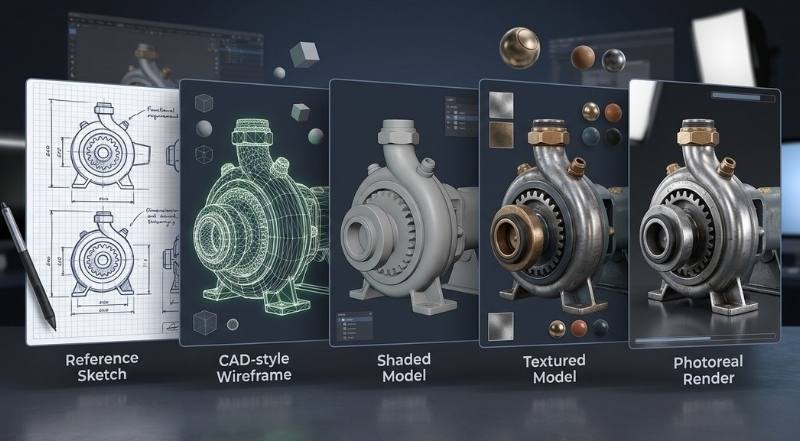
How long does 3D animation take compared to 2D? Roughly 50–80% longer at equivalent lengths. 3D requires modeling, texturing, rigging, lighting setup, rendering, and compositing — all before the animation pass is complete. For product animations with highly detailed models or medical animations with anatomical accuracy requirements, plan toward the longer end of this range.
2- to 3-Minute Explainer or Corporate Video: 6 to 10 weeks (2D), 10 to 14 weeks (3D)
Longer videos add time at the script, storyboard, and animation phases. More content means more creative decisions, more revision touchpoints, and more animation hours.
Medical or Pharmaceutical Animation: 8 to 14 weeks
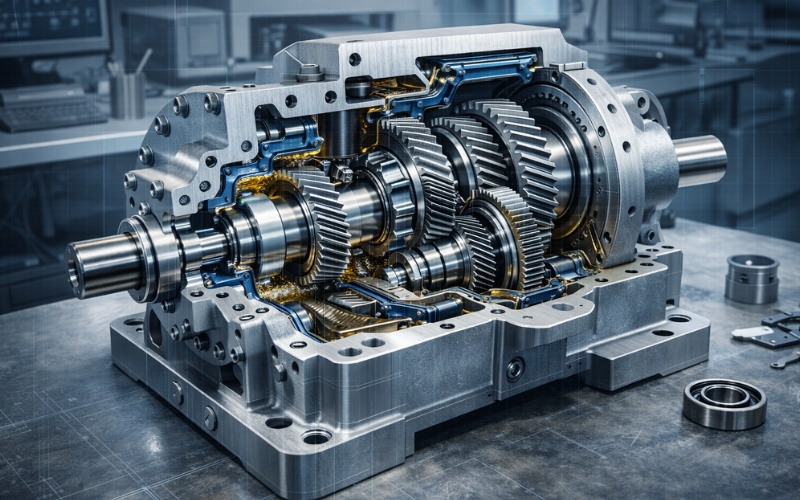
Medical animation — mechanism of action videos, surgical procedure visualizations, medical device explainers — requires an additional layer of accuracy review at each stage. Scripts and storyboards often need sign-off from medical or scientific stakeholders. 3D models may need to be built from scratch to specification. This is specialized work, and the timeline reflects that.
Industrial or Engineering Animation: 7 to 12 weeks
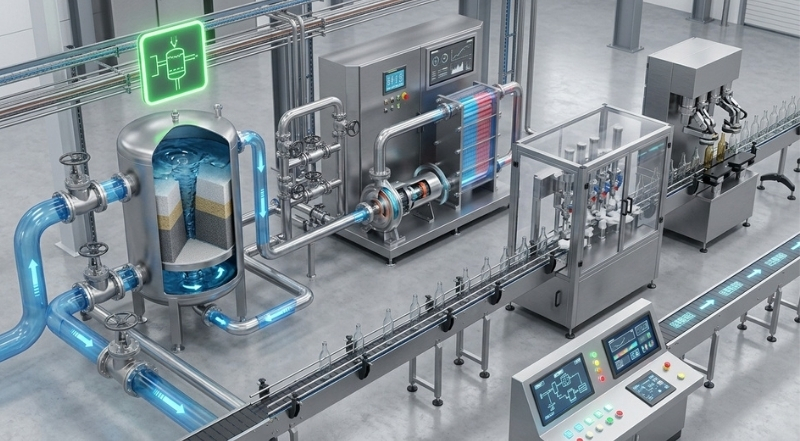
Industrial process animations and equipment explainers often require CAD file integration or 3D modeling of specific machinery. Technical review adds time, and accuracy is non-negotiable.
SaaS Product Demo or Software Explainer: 4 to 8 weeks
Software explainer videos typically use 2D animation, screen recording, or a combination. Timeline varies based on how many features need to be shown and whether the software UI is stable during production.
Architectural Visualization Video: 6 to 12 weeks
Architectural fly-throughs depend almost entirely on how complete and accurate the 3D model is at the start of production. Clean architectural drawings or BIM files compress the timeline; building or revising the model expands it.
The Phases of Animation Production (And Where Time Goes)
Understanding the production phases helps you see why timelines are what they are — and where your team’s input has the most impact.
Discovery and Brief (1–5 days)
The studio gathers information about your goals, audience, tone, style preferences, technical requirements, and deadline. This is faster when your team arrives with clear answers and slower when key stakeholders haven’t aligned yet.
Script Development (1–2 weeks)
A writer develops the narrative, messaging, and voiceover script. This typically goes through one to two rounds of revision. The script is the foundation of everything — rushing it creates problems downstream.
Voiceover Recording (2–5 days)
Once the script is approved, voiceover talent is cast and the session is scheduled. The final audio drives animation timing, so it typically happens before or alongside storyboarding.
Storyboard (1–2 weeks)
The storyboard translates the script into a visual plan — shot by shot, scene by scene. This is your last chance to make major structural changes before animation begins. Revision turnaround at this stage significantly affects overall timeline.
Style Frames and Design (1–2 weeks)
Before full animation, the studio develops style frames — finished-quality illustrations of key scenes that establish the visual language of the video. Once approved, these drive the rest of production.
Animation (2–6 weeks depending on length and type)
The full animation pass, which runs longest in 3D production due to rendering times. This is the most labor-intensive phase.
Sound Design and Music (3–5 days)
Licensed or custom music is selected or composed, and sound effects are added. This typically happens in parallel with final animation review.
Final Review and Delivery (3–7 days)
Final revisions are made and the video is rendered in all required delivery formats — web, social, broadcast, event, and so on.

What Slows Animation Projects Down Most Often
Based on production experience across dozens of B2B animation projects, these are the most common causes of timeline delays — almost none of which originate with the studio:
- Slow feedback turnaround. When milestone reviews sit in an inbox waiting for an internal approval chain, every subsequent phase shifts. Building a clear internal review process before production starts makes a measurable difference.
- Script changes after storyboarding. Changing the script after the storyboard is approved means redrawing scenes. Changing it after animation has begun is significantly more expensive and time-consuming.
- Undefined stakeholders. When a new decision-maker enters the review process at the final animation stage with significant feedback, the project effectively restarts a phase. Identify all required approvers at the start.
- Technical asset delays. For 3D projects, delays in receiving CAD data, architectural drawings, or product specifications push the modeling phase — which cascades into everything that follows.
- Scope expansion. Adding scenes, extending video length, or changing the visual style mid-production adds time. Plan for change orders when scope evolves.
How to Plan Your Animation Timeline Strategically
If you have a hard deadline — a product launch, a trade show, an investor presentation — work backward from that date before you start talking to studios.
A realistic minimum for a professional 60-second explainer from first contact to delivery is five weeks, assuming fast feedback and no major scope changes. Most real-world B2B projects land in the six- to eight-week range. Three-week turnarounds are possible but typically come with rush fees and compressed revision windows.
When setting your deadline, add buffer for your own internal review process. If your legal team needs to review the script and your marketing VP takes five business days to respond to drafts, that’s not in the studio’s control — but it is in your project plan.
Build in at least two weeks between your expected delivery date and your actual use date. Productions that land exactly on deadline with no margin for final adjustments create unnecessary risk.
Working With Austin Visuals on Timeline Planning
At Austin Visuals, we open every project with a timeline discussion — not a quote. Understanding your hard deadline and your internal approval structure lets us build a production schedule that’s realistic rather than optimistic.
We produce 2D animation, 3D animation, medical and device animation, industrial and engineering visualizations, SaaS explainer videos, corporate training videos, and architectural visualization. Our project managers track every milestone, and clients receive clear review windows at each production phase.
If you have a specific deadline in mind, we can tell you quickly whether it’s achievable, what the production requires to hit it, and whether a rush schedule is warranted. That conversation is free and usually takes less than 30 minutes.
Our clients include:

Frequently Asked Questions
How long does a typical 60-second explainer video take to produce?
For a professionally produced 2D explainer, expect 4 to 7 weeks under normal conditions. 3D animation of similar length typically runs 6 to 10 weeks. These ranges assume timely client feedback at each milestone.
How long does 3D animation take compared to 2D?
3D animation takes roughly 50–80% longer than equivalent 2D work at the same video length. Modeling, rigging, texturing, lighting, and rendering add significant production hours that don’t exist in 2D projects.
Can animation be produced faster if we have a tight deadline?
Yes, in most cases — but with trade-offs. Rush production typically involves additional fees (usually 20–40% of the project cost), compressed revision windows, and reduced flexibility for scope changes.
What slows down animation projects most often?
Slow internal feedback, undefined approval chains, script changes after storyboarding, and late-arriving technical assets are the most common causes — and most are buyer-side variables, not studio ones.
Does video length directly determine the timeline?
It’s a significant factor but not the only one. A 90-second medical animation may take longer than a 2-minute motion graphics piece, because the complexity and accuracy requirements affect production time more than raw length does.
How far in advance should I contact an animation studio before my deadline?
For a 60-second explainer, reach out at least 8 weeks before you need the finished video. For 3D animation or complex medical and industrial projects, 12 to 16 weeks is a safer lead time.
What can I do to speed up my animation project?
Arrive with a clear brief, an aligned internal stakeholder list, and a designated point of contact who can turn around feedback within 48 hours at each milestone. Pre-approved reference materials for visual style, voiceover direction, and messaging also compress the early phases significantly.
Start Your Animation Timeline Conversation
If you’re planning an animated video project and need to understand what’s realistic for your deadline, Austin Visuals is glad to walk through it with you. We’ll give you an honest read on what your timeline requires, what the production phases look like, and how to set your team up for a smooth process.
We work with marketing teams, medical and biotech companies, engineering organizations, SaaS product teams, legal firms, and corporate communications departments across the country.