

Industrial advertising is different from consumer advertising. The buyer is often technical, the sales cycle is longer, the product may be expensive, and the value proposition can involve performance, reliability, safety, efficiency, integration, or lifecycle cost. A simple lifestyle ad rarely explains enough. Industrial buyers need to understand what the product does, how it works, where it fits, and why it is worth considering. Strong industrial advertising videos help bridge that gap.
Austin Visuals helps companies turn technical products, equipment, processes, and services into clear visual stories. For industrial marketing teams, video can support trade shows, websites, sales meetings, paid campaigns, distributor education, product launches, investor presentations, and internal communication. The best videos do not only look polished. They make the product easier to understand and easier to remember.
If your industrial product is hard to explain with photos or brochures alone, Austin Visuals can help create advertising visuals that work harder. Email info@austinvisuals.com or call (512) 591-8024 to discuss an industrial advertising video.
Why Industrial Advertising Videos Need a Different Strategy
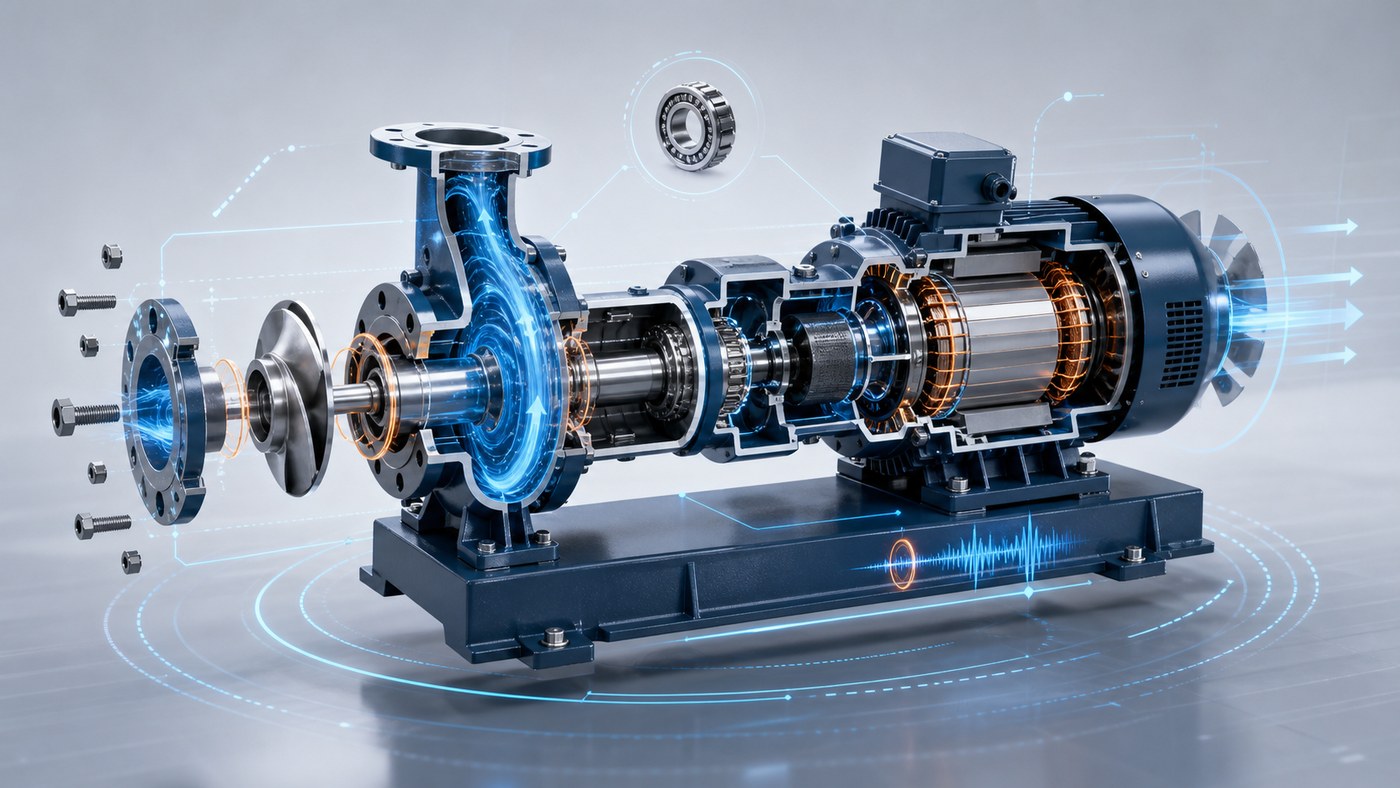
Industrial advertising videos need a different strategy because the audience is often evaluating risk as much as desire. A plant manager, engineer, procurement lead, distributor, or executive may be asking whether the product solves a real operational problem, fits existing systems, improves productivity, reduces downtime, or justifies the investment. The video has to respect that decision process.
This does not mean industrial videos should be dry. It means the creative approach should be built around clarity and credibility. A strong video can still be visually engaging, but the motion, camera choices, graphics, and script should help the viewer understand the product. Industrial buyers respond to useful information presented well.
Animation is especially powerful when the value of the product is not fully visible from the outside. A machine may look impressive in a photo, but the real value may come from internal mechanisms, material flow, automation logic, energy savings, simplified maintenance, or improved safety. 3D animation can reveal those advantages in a way live-action footage cannot.
This is why many technical companies are increasing their use of 3D visuals, as Austin Visuals discusses in why technical industries need more 3D animation than ever. Complex products often need more than a camera. They need a visual explanation.
Example 1: 3D Product Explainer Video
A 3D product explainer is one of the most useful industrial advertising video examples because it can show how a product works from the inside out. Instead of relying only on exterior footage, the video can introduce the equipment, remove the housing, highlight key components, show material movement, and explain the specific feature that makes the product valuable.
This format works well for manufacturing equipment, robotics, valves, pumps, sensors, automation systems, medical devices, energy technology, and engineered products. The viewer sees the product in a clean, controlled environment. The animation can move the camera exactly where it needs to go and simplify the background so attention stays on the product.
A product explainer should be focused. It does not need to explain every feature. It should identify the buyer’s problem, show the product solving that problem, and support the claim with clear visuals. The strongest videos often pair a concise voiceover with component highlights, process flow, and simple on-screen graphics.
Austin Visuals’ product animation for marketing article covers this idea in more depth. Product animation works because it can make the hidden value of a technical product visible.
Example 2: Manufacturing Process Advertising Video
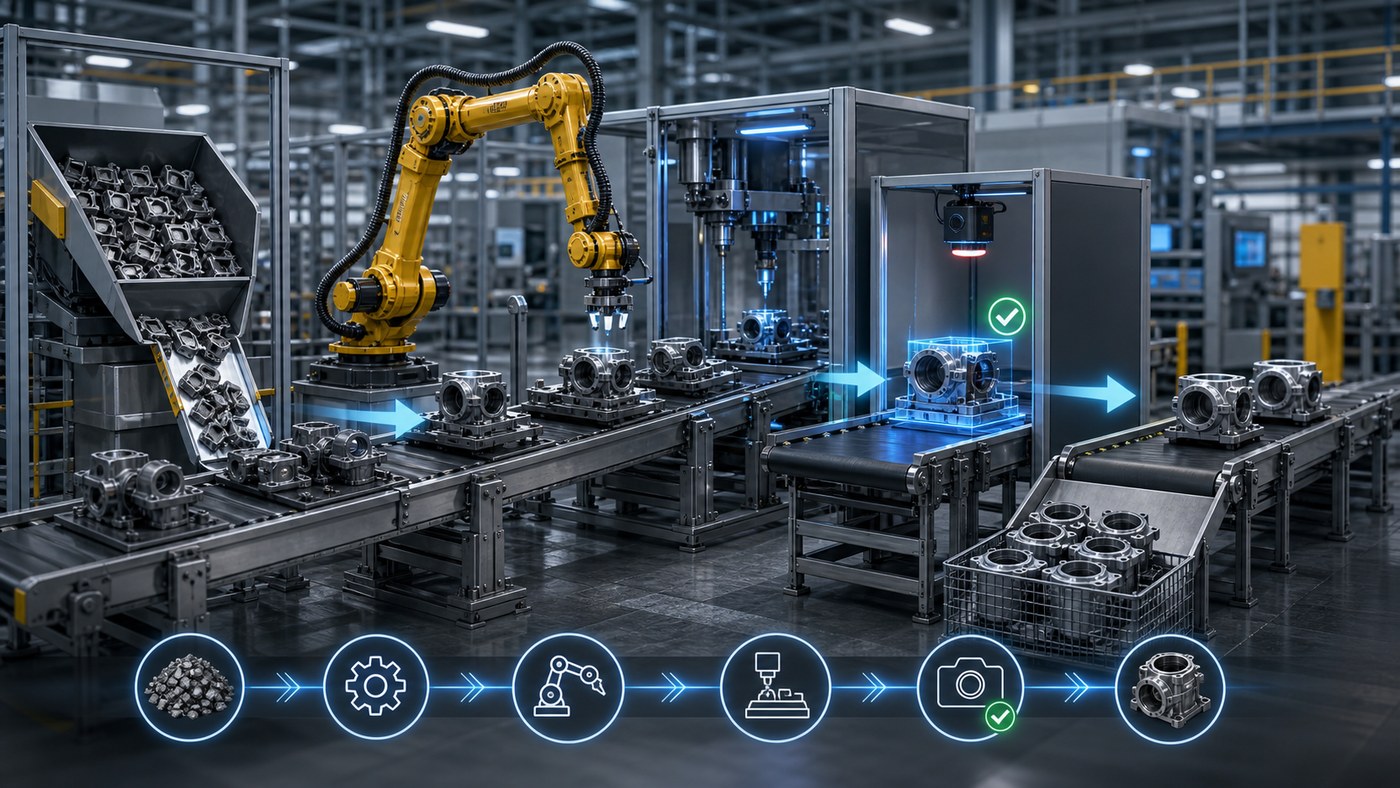
A manufacturing process advertising video shows how a company creates value through its operation. This can be useful for contract manufacturers, OEM suppliers, industrial service providers, automation companies, and factories that want to communicate capability. The video may show material entering a line, equipment performing key steps, inspection systems verifying quality, and finished products leaving the facility.
This format is useful when the process itself is a selling point. A company may want to show precision, scale, repeatability, quality control, speed, cleanliness, or technical sophistication. Live-action footage can capture real context, while 3D animation can show internal steps, idealized process flow, or a cleaner version of a complex operation.
The video should not become a generic factory montage. It should connect process steps to buyer value. If the process reduces defects, show inspection logic. If automation improves throughput, show the bottleneck being solved. If a custom method improves consistency, show how that method works.
For a related industrial example, see Austin Visuals’ 3D explainer animation for manufacturing. Manufacturing videos work best when the viewer can see the connection between process and outcome.
Example 3: Trade Show Loop Video
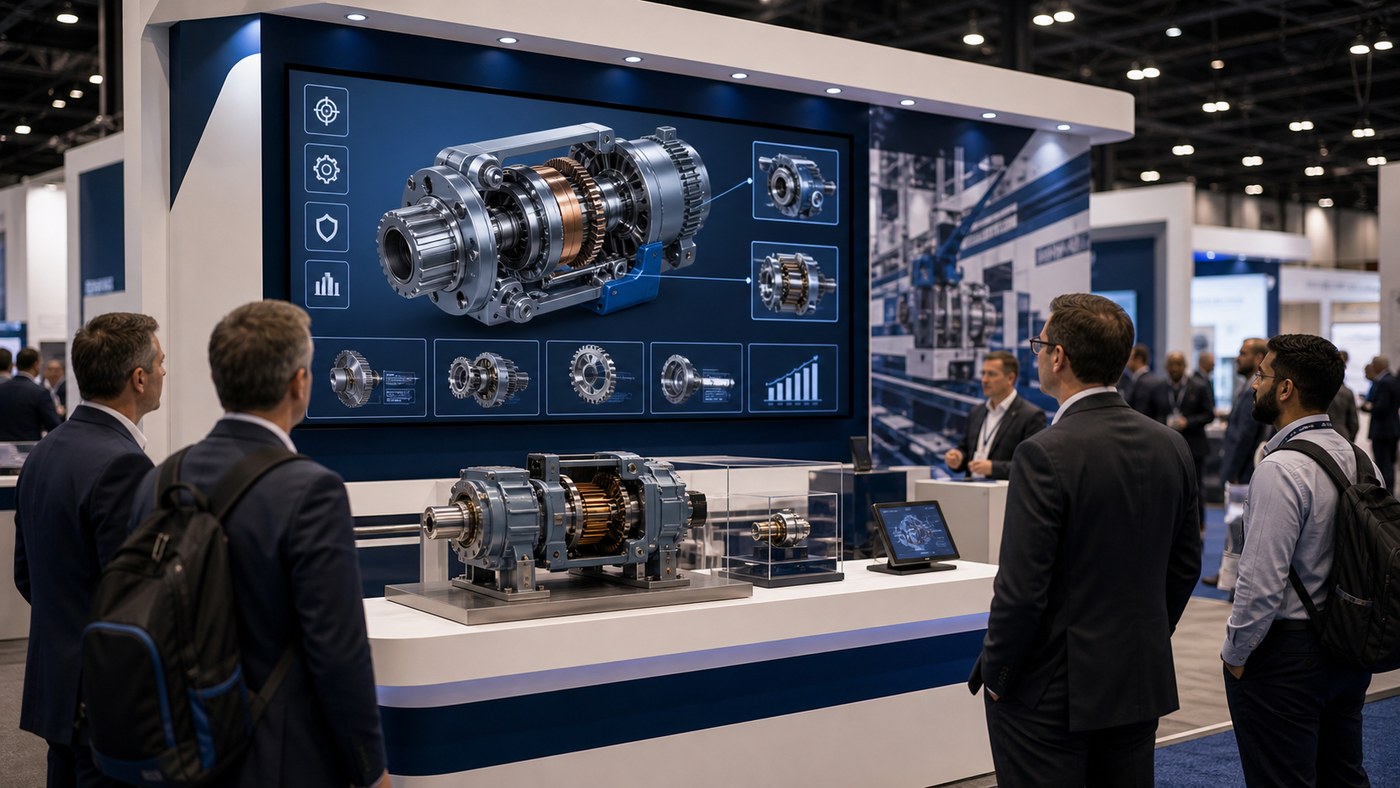
A trade show loop video has a different job than a full website explainer. It needs to attract attention quickly, communicate the category visually, and make people curious enough to stop. The environment is noisy, crowded, and full of competing visuals. The video should work even when the viewer cannot hear the audio.
For industrial companies, a trade show loop may include dramatic product renders, equipment close-ups, cutaway moments, process flow, application scenes, and short benefit statements. Because text may be viewed from a distance, the visuals should carry the message. If words are used, they should be short and highly readable.
Loop videos are also useful because they can be repurposed. The same visual assets may support social clips, website hero videos, sales decks, paid ads, distributor screens, or lobby displays. Planning the content with multiple uses in mind can make the production more valuable.
Good trade show videos do not need to explain everything. Their purpose is to create enough interest for a conversation. A sales representative can explain the details after the video gets the right person to stop.
Example 4: Problem-Solution Advertising Video

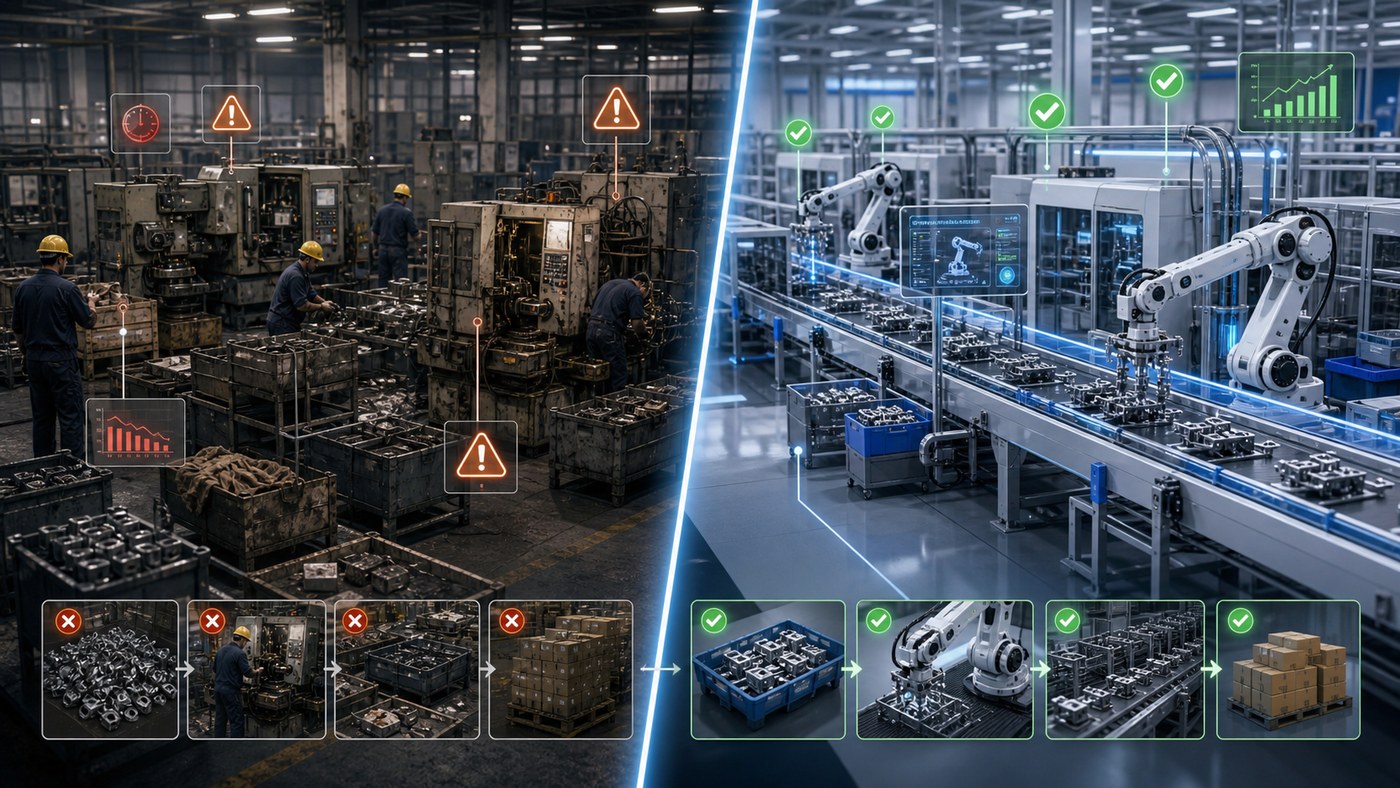
A problem-solution video is effective when the buyer already feels pain: downtime, waste, quality variation, labor shortage, safety risk, maintenance complexity, slow throughput, or high operating cost. The video begins by showing the problem in a specific, recognizable way, then introduces the product or service as the better path forward.
Industrial buyers are skeptical of broad promises. The video should avoid vague claims and instead show a clear mechanism of improvement. If the product reduces changeover time, show the old changeover and the new one. If it improves quality, show the inspection or control step. If it improves safety, show the hazard being reduced.
Animation helps because it can compare scenarios cleanly. A split-screen approach can show before and after. A 3D sequence can show how a new component changes the system. Motion graphics can show downtime, throughput, energy use, or maintenance frequency in a way that is easier to understand than a spreadsheet.
This format is especially useful for landing pages, targeted paid campaigns, sales outreach, and distributor education. It speaks directly to a buyer’s operational concern and gives them a reason to take the next step.
Example 5: B2B Explainer Video for Industrial Services
Not every industrial company sells a physical product. Many sell services: maintenance, engineering, inspection, logistics, fabrication, automation integration, field support, testing, consulting, or installation. These services can be difficult to advertise because the value is often a process, expertise, or outcome rather than a single object.
A B2B explainer video can make the service tangible. It can show the customer’s situation, the service workflow, the team involved, the tools used, the data collected, and the result delivered. Animation can simplify the service journey so prospects understand what happens after they contact the company.
This type of video should be structured around buyer questions. What problem does the service solve? Who performs the work? What makes the process reliable? How does the customer benefit? What proof or experience supports the claim? A concise, well-structured video can answer those questions faster than a long services page.
Austin Visuals has written about B2B explainer video production, which is directly relevant for industrial services. In B2B, the best explainer videos reduce confusion and help qualified prospects understand why the service matters.
Example 6: Sales Enablement Video for Technical Buyers
Industrial advertising videos are not limited to public campaigns. Some of the most valuable videos are used by sales teams. A sales enablement video gives representatives a consistent way to explain the product, especially when the product is complex or when different buyers care about different features.
For example, an engineer may want to see how the product works. An operations leader may care about throughput. A procurement lead may care about lifecycle value. A safety manager may care about risk reduction. A strong video can establish the core explanation, while the sales representative adds detail based on the buyer’s priorities.
Sales enablement videos are also useful for distributor networks. If channel partners need to explain a technical product, animation can give them a reliable visual tool. This reduces the risk of inconsistent messaging and helps the manufacturer protect the product story.
This approach connects closely with Austin Visuals’ article on visual storytelling to drive enterprise sales. Industrial sales often depend on helping buyers understand the product clearly enough to believe the value proposition.
How to Make Industrial Advertising Videos Convert
Industrial advertising videos convert when they are built around a specific buyer and a specific next step. Before production begins, the team should define the audience, the problem, the product advantage, the proof, and the desired action. A video made for trade show attention may need a different structure than a video made for a product page or sales follow-up email.
The script should be direct and useful. Industrial buyers do not need exaggerated hype. They need a clear explanation of the problem, the solution, and the reason to care. Strong visuals should support the script, not distract from it. Every shot should help the viewer understand the product, process, result, or credibility of the company.
Distribution also matters. A single master video can be edited into multiple versions: a website explainer, a 30-second ad, a silent trade show loop, a social clip, and a sales deck insert. Planning these versions early helps the production team frame shots, create reusable assets, and deliver more value from one project.
FAQ: Industrial Advertising Video Examples
What are industrial advertising videos?
They are videos used to market industrial products, equipment, services, processes, or capabilities to technical and B2B buyers. They often combine live action, 3D animation, motion graphics, and product storytelling.
What types of industrial advertising videos convert best?
Product explainers, manufacturing process videos, problem-solution videos, trade show loops, sales enablement videos, and B2B service explainers often perform well because they help buyers understand value quickly.
Why use 3D animation in industrial advertising?
3D animation can show internal components, material flow, hidden mechanisms, process stages, and product benefits that are difficult or impossible to film with live-action video.
How long should an industrial advertising video be?
It depends on the use. A trade show loop may be short and visual, a paid ad may be 15 to 30 seconds, and a website or sales explainer may be one to three minutes.
Can one industrial video be reused across channels?
Yes. A well-planned production can create a main video plus shorter edits for social media, trade shows, paid ads, sales decks, landing pages, and distributor training.
What should manufacturers prepare before making a video?
Helpful materials include CAD files, product photos, process diagrams, sales documents, customer pain points, competitive positioning, brand guidelines, and examples of where the video will be used.
Can Austin Visuals create industrial advertising videos from technical references?
Yes. Austin Visuals can work from CAD files, drawings, photos, process notes, scripts, and subject matter expert input to create industrial advertising videos and animations.
Related Austin Visuals Posts
- Product Animation for Marketing: Boost Engagement & Sales with Austin Visuals
- Case Study: 3D Explainer Animation For Manufacturing
- B2B Explainer Video Production in Austin
- How to Use Visual Storytelling to Drive More Enterprise Sales
- Why Technical Industries Need More 3D Animation Than Ever
Conclusion
Industrial advertising video examples that convert have one thing in common: they make technical value easier to understand. Whether the format is a 3D product explainer, manufacturing process video, trade show loop, problem-solution ad, service explainer, or sales enablement video, the goal is to help the right buyer see why the product or service matters.
For manufacturers and industrial companies, animation can reveal what cameras cannot. It can show internal mechanisms, process flow, technical advantages, and operational outcomes in a clear and controlled way. When paired with a focused message and a strong call to action, industrial advertising videos can support sales, marketing, and buyer education across the full funnel.
Austin Visuals helps companies turn equipment, workflows, safety procedures, products, and technical processes into clear visual content that teams and customers can understand.
Contact us at info@austinvisuals.com or call (512) 591-8024.