
Introduction
Intellectual property disputes are often built around ideas that are difficult to see. A patent claim may describe a method, mechanism, interface, chemical process, manufacturing sequence, medical device, software workflow, or engineering design in precise legal language, but jurors, mediators, judges, and opposing counsel still need to understand what that invention does and why it matters. Legal animation for intellectual property disputes gives attorneys a way to turn abstract technical arguments into visual explanations that support comprehension without oversimplifying the case.
Austin Visuals works with companies, law firms, expert witnesses, and trial teams that need to communicate technical subject matter clearly. In patent and IP matters, animation can help explain infringement theories, product comparisons, prior art distinctions, damages narratives, trade secret workflows, and technical expert opinions. The goal is not to make evidence theatrical. The goal is to make complex evidence understandable, accurate, and easier to evaluate.
If your IP case depends on explaining technology clearly, Austin Visuals can help. Email info@austinvisuals.com or call (512) 591-8024 to discuss legal animation, courtroom graphics, trial visuals, or expert demonstratives for your next case.
What Legal Animation Means in Intellectual Property Disputes
Legal animation in intellectual property cases is the use of 2D animation, 3D animation, motion graphics, diagrams, timelines, and technical visualization to help explain IP-related facts and arguments. These visuals may be used in mediation, arbitration, expert reports, settlement negotiations, Markman hearings, trial presentations, boardroom briefings, and internal case strategy meetings.
IP disputes can involve patents, trademarks, trade secrets, copyrights, product designs, software systems, manufacturing processes, user interfaces, medical devices, industrial equipment, consumer products, or proprietary workflows. Each matter has its own evidentiary rules and strategic needs. Some animations are demonstrative exhibits used to explain an expert’s opinion. Others are settlement visuals that help both sides understand the technical and financial stakes. Some are created for internal use, helping attorneys organize a complicated record before entering formal proceedings.
In patent cases, animation can show how a claimed invention operates, how accused products perform similar steps, where a component is located, or why a prior art reference does or does not disclose a feature. In trade secret cases, animation may show a confidential manufacturing workflow, process sequence, or system architecture. In copyright or design disputes, visuals may compare creative expression, product appearance, interface behavior, or user experience in a structured way.
For a broader legal visualization perspective, Austin Visuals has also discussed legal and forensic animation for jury-friendly visual evidence, which is closely related to how IP visuals help decision-makers understand difficult technical material.
Why IP Cases Need Clear Visual Communication
Patent and intellectual property cases often turn on details. A single claim term, mechanical relationship, software step, user interaction, or process limitation can influence the direction of a case. The challenge is that the people who decide, negotiate, or evaluate the matter may not share the technical background of the engineers, inventors, or expert witnesses.
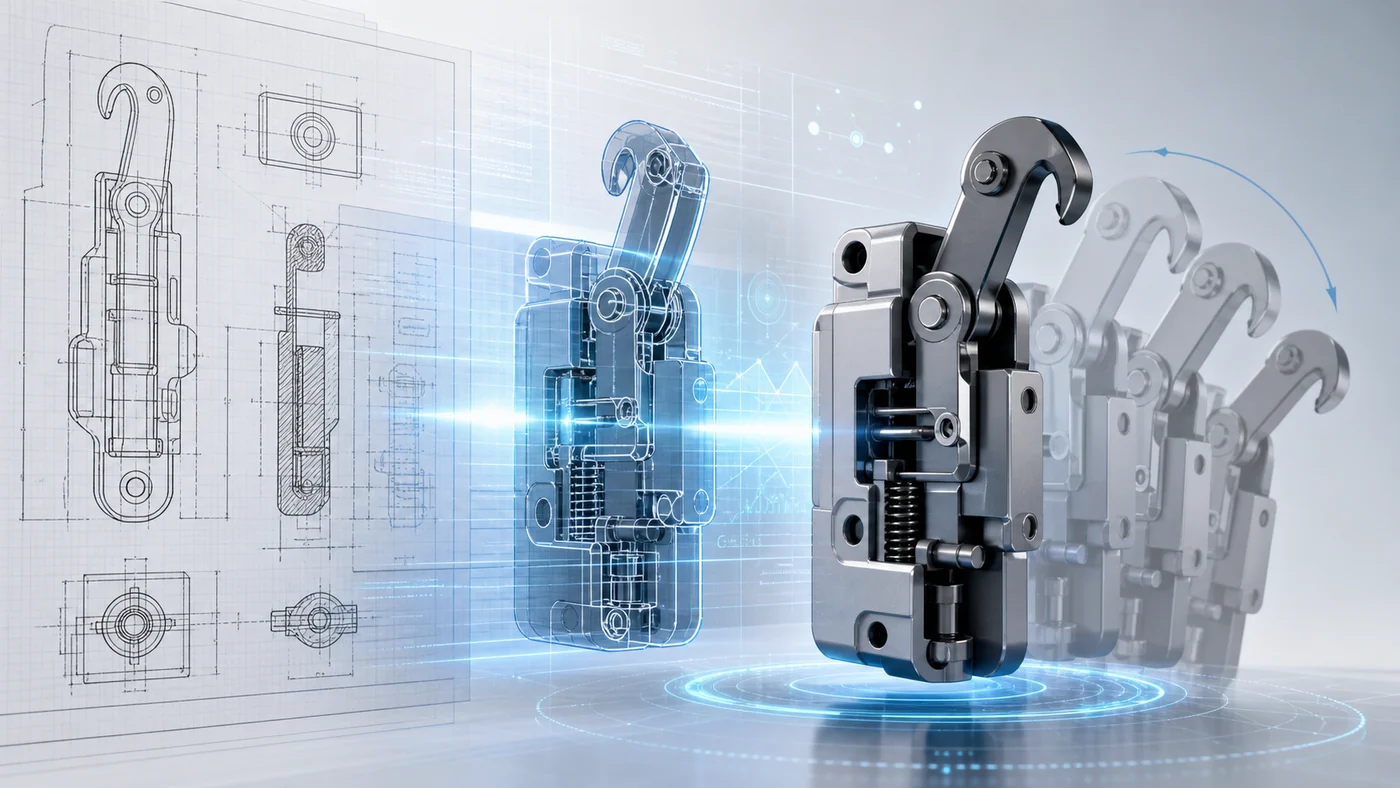
Legal teams may understand the law. Experts may understand the technology. But the case still needs a bridge between specialized knowledge and practical decision-making. Animation can provide that bridge. It can slow down a process, isolate a component, compare two systems, show sequence, reveal internal movement, or show how a product behaves under different conditions.
This is especially important when the invention cannot be easily filmed. Software logic, internal device mechanisms, invisible energy transfer, micro-scale components, network architecture, chemical interaction, or manufacturing methods may not be visible in a live-action video. Animation can make those hidden relationships visible while still grounding the visual in technical references, CAD data, source diagrams, patent drawings, photographs, depositions, and expert input.
Clear visuals can also reduce cognitive load. A long technical explanation may lose a non-specialist audience. A well-designed animation can establish the basics first, then layer in complexity. That does not replace testimony, documents, or expert analysis. It gives those materials a clearer visual framework.
How Legal Animation Supports Patent Infringement Arguments
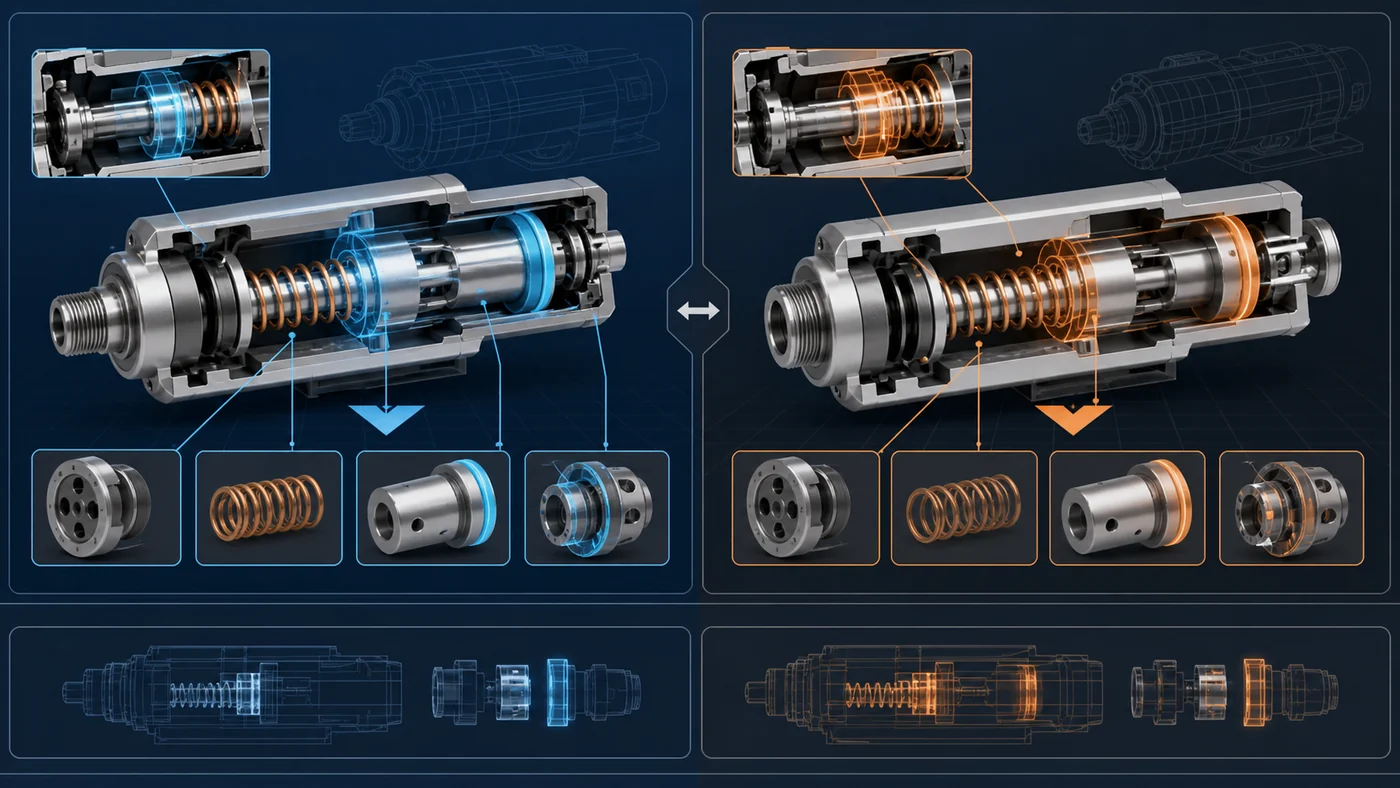
In patent infringement disputes, legal animation can help explain how claim elements map to an accused product or process. A visual may show each step in a method claim, each part of a device, or each functional relationship in a system. When carefully designed, the animation helps the audience follow the logic of the argument without turning the presentation into a cluttered technical diagram.
For example, a patent may describe a multi-part assembly with internal motion. A 3D animation can show the overall product first, then remove outer housing, highlight the relevant mechanism, and demonstrate how the disputed feature operates. A method patent may be easier to explain as a sequence of animated steps, with each step labeled to match claim language or expert testimony.
Animation can also help explain non-infringement. If the legal team needs to show that an accused product does not perform a step, lacks a required component, or operates in a materially different way, a visual comparison can be highly useful. The same applies to invalidity arguments involving prior art. An animation may show how an earlier reference worked and why it does or does not teach a claimed feature.
The key is discipline. Patent animation should not add facts that are not in the record. It should be built from trusted materials and reviewed by attorneys and technical experts. In many cases, the best animation is restrained: clean camera angles, precise labels, clear sequence, and enough detail to support the legal theory without distracting from it.
Using Animation for Trade Secret and Technology Disputes

Trade secret disputes can be especially difficult because the value of the information may depend on a process, system, or operational method. A spreadsheet, source-code excerpt, workflow document, or technical manual may be important evidence, but it may not communicate the full business meaning of the information. Animation can help explain how a trade secret fits into a larger system.
For manufacturing disputes, animation may show a proprietary production sequence, equipment configuration, quality-control method, or process optimization. For software disputes, motion graphics may explain system architecture, user permissions, data flow, or backend logic. For medical, biotech, or industrial technology, 3D animation can show mechanisms and workflows that are hard to capture with conventional video.
These visuals can be valuable in settlement discussions because they help non-technical stakeholders understand what is at stake. Executives, insurers, investors, and mediators may need to grasp the practical value of a trade secret without reading hundreds of pages of technical documentation. A visual summary can support that conversation.
When cases move toward litigation, the same visuals may need to be refined for admissibility, confidentiality, and courtroom use. Austin Visuals approaches these projects with careful attention to source material, review cycles, and the need for accuracy. Legal animation is most effective when it is designed as a communication tool, not a loose creative interpretation.
Best Practices for Legal Animation in IP and Patent Cases
The strongest legal animation for intellectual property disputes starts with a clear case objective. Before production begins, the team should decide what the visual must accomplish. Does it need to explain the invention? Compare two products? Support claim construction? Clarify damages? Teach a mediator the technology? Help an expert walk through a process? Each objective leads to a different visual strategy.
Accuracy should guide every production decision. Source materials may include patent drawings, claim charts, CAD files, engineering diagrams, product photographs, source documents, depositions, expert reports, inspection materials, and technical manuals. The animation team should identify which references control the visual and which details are illustrative.
Good IP animation also avoids unnecessary visual noise. Patent cases can become dense quickly. A visual should help the viewer know where to look. That means using callouts sparingly, highlighting the relevant parts, choosing camera angles with purpose, and limiting on-screen text to what the audience can absorb.
Review cycles matter. Attorneys should review legal framing. Experts should review technical accuracy. Trial consultants may review narrative flow. Clients may review business context. The production team should expect changes, but those changes should be managed at the storyboard and rough animation stages whenever possible. Waiting until final render to solve legal or technical issues can create avoidable delay.
Austin Visuals’ experience in legal graphics and trial visuals for courtroom communication is relevant here because the same principles apply: clarity, credibility, and alignment with the decision-maker’s needs.
Where Legal Animation Fits in the Litigation Timeline
Legal animation can be useful long before trial. Early in a case, visuals can help attorneys understand the technology and identify the most important issues. During expert development, animation can help clarify how an opinion may be explained. In mediation, a concise animation can help both sides evaluate risk and opportunity. At trial, a refined version may support testimony or opening statements if it meets the necessary legal requirements.
Starting early gives the team more flexibility. If the animation is only requested shortly before a hearing or mediation, the scope may need to be narrow. A short visual explaining one critical process may still be valuable, but a detailed comparison involving multiple products, claims, and expert theories will require more time.
Early planning also helps manage review. IP cases often involve many stakeholders: trial counsel, technical experts, in-house counsel, inventors, executives, and sometimes outside consultants. A clear approval process helps prevent conflicting feedback and keeps the animation aligned with the legal strategy.
For legal teams considering timing and budget, Austin Visuals’ article on the cost to create a legal animation provides useful context on what drives scope, schedule, and production complexity.
Our Demo Reel
Common Types of IP Visuals and Demonstratives
Not every IP case needs a cinematic 3D animation. The right format depends on the issue. Some matters benefit from a polished technical animation. Others need simpler motion graphics, interactive exhibits, static trial boards, or a combination of formats.
Common IP visual formats include:
- 3D product cutaways showing internal components and functions
- Claim element animations that walk through method or system claims
- Side-by-side product comparisons for infringement or non-infringement
- Prior art animations explaining earlier technology
- Software flow diagrams and interface demonstrations
- Trade secret process maps
- Damages timelines and market impact visuals
- Expert demonstratives for deposition, mediation, or trial
The most effective projects often combine several visual types. A case presentation may begin with a simplified technology overview, then use detailed animation for the key disputed feature, followed by a timeline or damages graphic. This layered approach helps the audience build understanding step by step.
Why Work With Austin Visuals on IP Legal Animation
Austin Visuals helps legal and technical teams turn complex information into clear visual communication. For IP and patent matters, that means combining technical animation, visual storytelling, and careful review. The studio understands that legal visuals must be persuasive, but they must also be credible, accurate, and aligned with the facts.
The company supports 2D animation, 3D animation, forensic animation, legal graphics, product animation, industrial animation, engineering animation, medical animation, corporate video production, training videos, marketing videos, architectural visualization, virtual reality, interactive media, and AI-enhanced video production. That range is useful in IP disputes because patented technology may come from many industries: medical devices, software, manufacturing, energy, construction, consumer products, biotech, aerospace, or industrial equipment.
Legal teams also benefit from a production partner that can work with technical experts and attorneys without losing sight of the audience. A visual that impresses engineers but confuses a jury is not effective. A visual that is simple but technically incomplete may create risk. The right balance comes from collaboration, source-driven modeling, storyboard review, and a clear understanding of the legal communication goal.
For related legal animation services, see Austin Visuals’ article on a legal animation company for courtroom presentations and its coverage of 3D forensic animation services. While those examples may involve different case types, the same visual communication discipline applies to IP disputes.
Our clients include:

FAQ: Legal Animation for Intellectual Property Disputes
What is legal animation for intellectual property disputes?
It is animation or visual storytelling used to explain patent claims, accused products, software workflows, trade secrets, damages, prior art, or technical evidence in an IP matter.
Can legal animation be used in patent litigation?
Yes. Patent litigation often involves technical systems that are difficult to explain with text or static drawings alone. Animation can help show how an invention works, how an accused product operates, or how a prior art reference compares.
Is legal animation admissible in court?
Admissibility depends on the jurisdiction, purpose, foundation, and accuracy of the visual. Many animations are used as demonstrative aids, but legal teams should review admissibility strategy with counsel before relying on any visual in court.
What materials are needed to create IP legal animation?
Useful materials include patent drawings, claim charts, CAD files, product photographs, technical manuals, expert reports, depositions, software documentation, process diagrams, and attorney guidance on the legal theory.
How long does it take to create a patent animation?
Timing depends on complexity, length, modeling needs, and review cycles. A focused visual may take less time than a detailed multi-scene technical comparison involving multiple products and expert review.
Can animation help during mediation or settlement?
Yes. Many legal teams use animation before trial to help mediators, executives, insurers, or opposing parties understand the technology and the business stakes of the dispute.
Does Austin Visuals work with attorneys and expert witnesses?
Yes. Austin Visuals can collaborate with attorneys, technical experts, corporate teams, and consultants to develop accurate visual explanations for litigation, mediation, and case communication.
Related Austin Visuals Posts
- Legal & Forensic Animation: Turning Complex Evidence into Jury-Friendly Visuals
- Legal Graphics & Trial Graphics: The Growing Role of Visuals in the Courtroom
- Legal Animation Company for Courtroom Presentations
- How Much Does It Cost To Create A Legal Animation?
- 3D Forensic Animation Services for Personal Injury Cases
Conclusion
Legal animation for intellectual property disputes helps legal teams explain technical ideas with greater clarity. In patent and IP cases, the evidence may involve hidden mechanisms, abstract workflows, software logic, manufacturing methods, or detailed claim language. Animation gives attorneys and experts a way to show what matters, organize complex information, and help decision-makers understand the case more efficiently.
The best IP visuals are not generic animations. They are source-driven, legally aligned, technically reviewed, and designed around the specific audience. Whether the goal is mediation, expert testimony, settlement communication, or trial presentation, a strong animation can make the central technology easier to understand and easier to discuss.
Austin Visuals helps law firms, companies, and expert teams turn technical evidence, product functionality, software workflows, and patent concepts into clear visual presentations.
Contact us at info@austinvisuals.com or call (512) 591-8024.