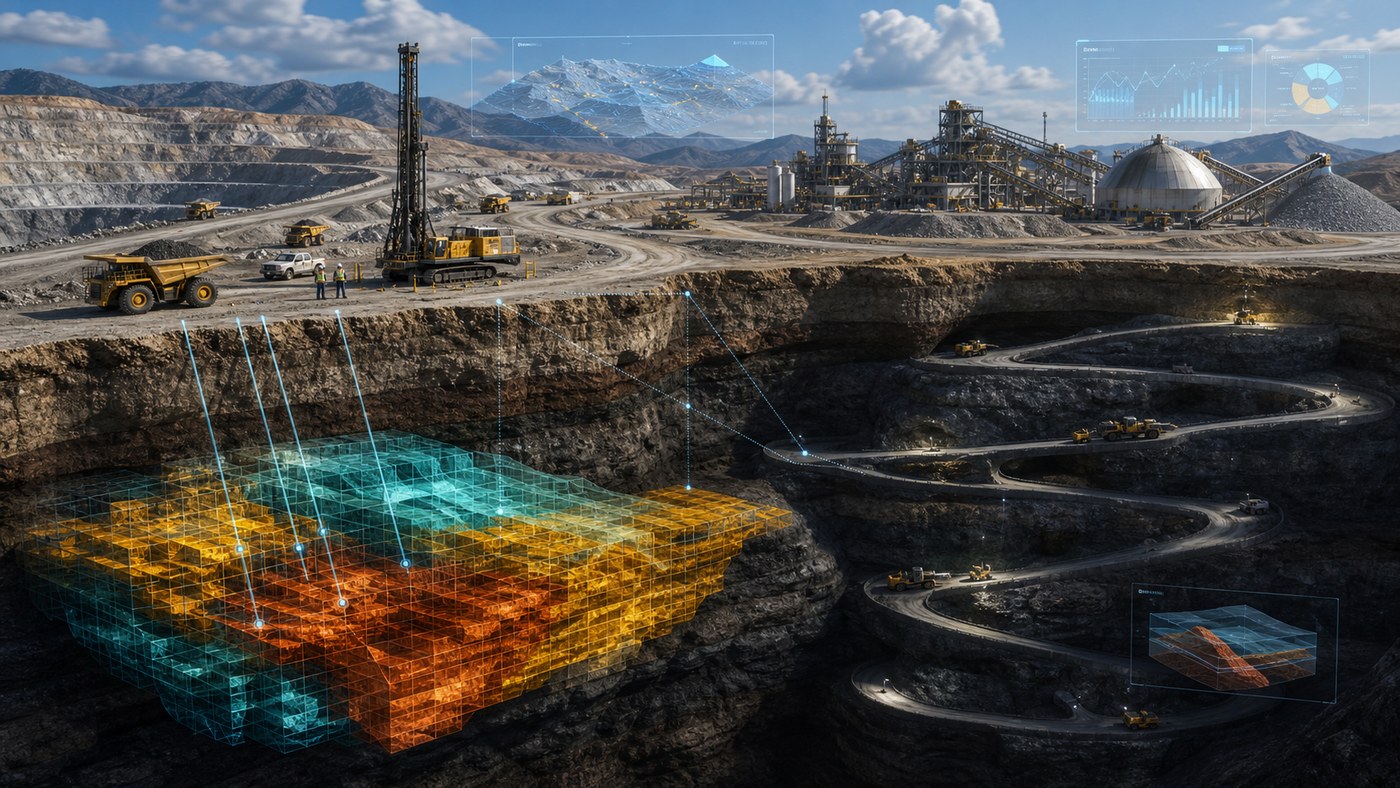
Mineral resource projects are complex because most of the important information is difficult to see at once. Ore bodies may be underground. Processing systems may involve multiple stages, conveyors, crushers, separators, tanks, pumps, and control systems. Project plans may need to explain geology, mine design, economics, permitting, logistics, environmental controls, and safety requirements to people with different technical backgrounds. Mineral resources visualization animation gives teams a way to show those relationships clearly.
Austin Visuals works with technical and industrial organizations that need to explain complicated systems through animation, video, and visual storytelling. For mineral resource and mining projects, that can mean 3D site visualizations, process animations, training modules, investor presentation visuals, safety explainers, equipment animations, and public communication assets. The goal is to make technical information easier to understand without stripping away the detail that matters.
If your team needs to explain a mineral resource, processing workflow, or mining operation visually, Austin Visuals can help. Email info@austinvisuals.com or call (512) 591-8024 to discuss a visualization or animation project.
What Mineral Resources Visualization Animation Means
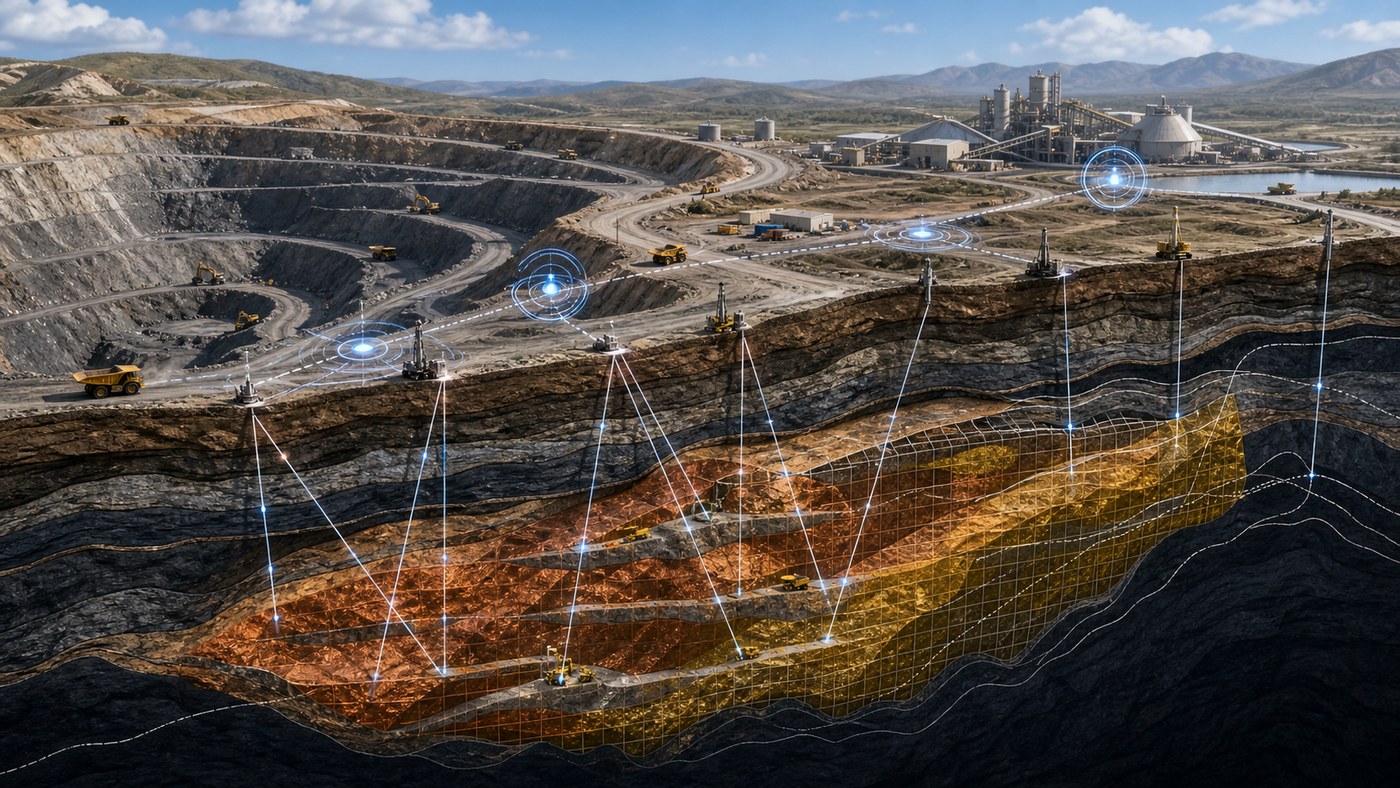
Mineral resources visualization animation is the use of 2D animation, 3D animation, motion graphics, technical visualization, and animated diagrams to explain mineral deposits, extraction plans, processing facilities, equipment operations, safety procedures, logistics, and project development. It can be used for mining companies, mineral processors, exploration teams, engineering firms, investors, government stakeholders, environmental consultants, and training departments.
A static map or technical drawing may be accurate, but it often requires the viewer to interpret several layers of information at once. Animation can guide the viewer through the information step by step. A visual can begin with a regional location, move into terrain, reveal subsurface geology, highlight an ore body, show access points, and then connect extraction to processing and transport. This sequence helps people understand how separate project components relate to one another.
For teams that need to communicate across disciplines, this matters. Geologists, engineers, investors, safety managers, executives, operators, and community stakeholders may all look at the same project from different angles. A well-designed visualization can create a shared mental model so conversations become more productive.
This is similar to the broader need described in Austin Visuals’ article on why technical industries need more 3D animation than ever. When a process is spatial, mechanical, data-heavy, or difficult to film, animation becomes a practical communication tool rather than a decorative add-on.
Why Mining and Mineral Projects Are Hard to Explain
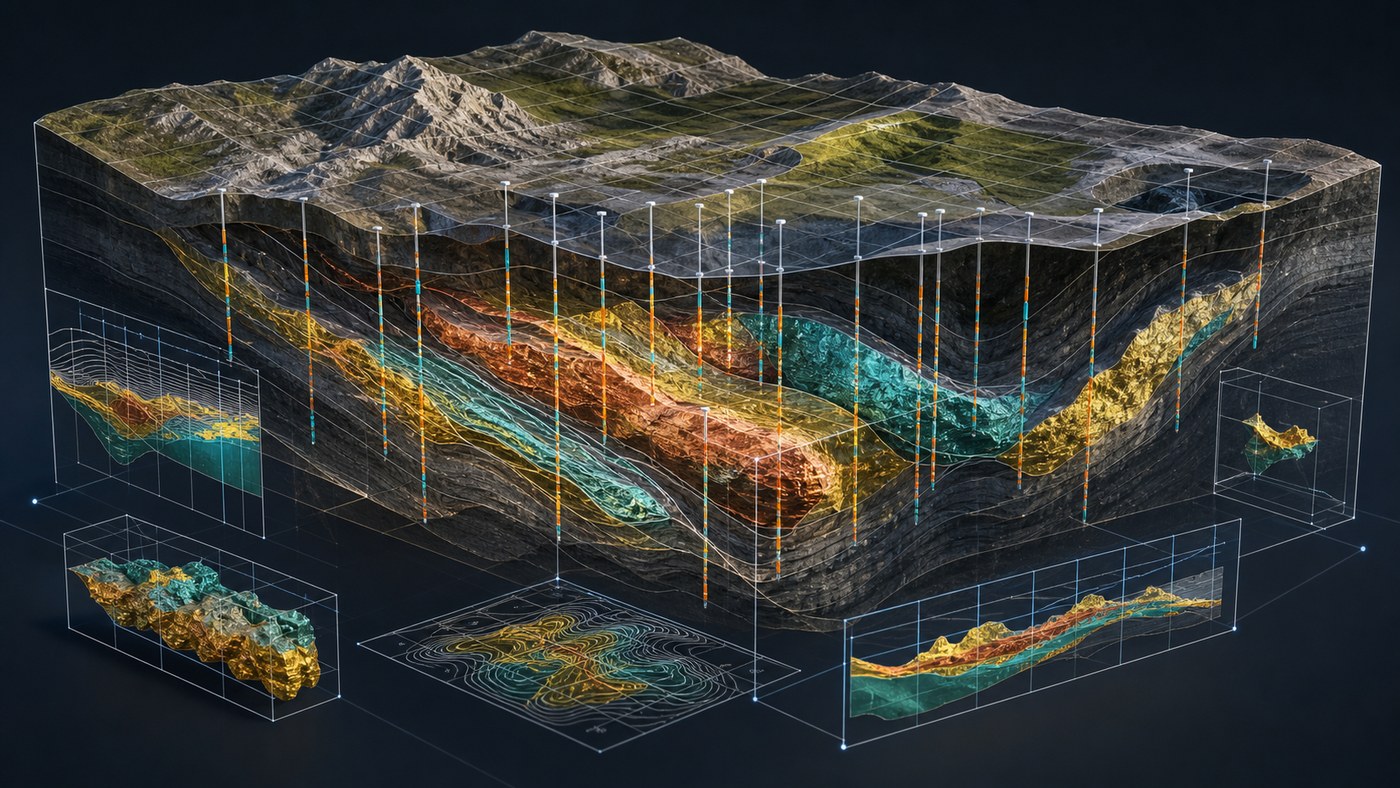
Mineral resource projects often combine geology, engineering, finance, operations, compliance, environmental planning, and logistics. A deposit may be described with resource models, grade shells, cross sections, drill results, block models, topography, and geotechnical data. A processing plan may include crushing, grinding, screening, flotation, leaching, concentration, tailings handling, water management, and material transport. Each part can be understood by specialists, but the overall project can be difficult for a mixed audience to grasp.
This creates a communication challenge. Investors may need to understand how a resource becomes a production opportunity. Operators may need to understand how new equipment changes workflow. Communities may need to understand how a project will be staged, monitored, or controlled. Internal teams may need to align around a mine plan, processing upgrade, or safety procedure.
Animation helps because it can simplify the order in which information is introduced. Instead of presenting a dense set of drawings all at once, a visualization can start with the big picture and then build detail. It can show the surface, then the subsurface. It can show equipment layout, then material flow. It can show a hazard area, then the safe procedure. It can show a project timeline, then the milestone that matters to the audience.
Many mining and mineral projects also involve invisible or hard-to-film subjects. Subsurface ore bodies, internal crusher operation, slurry flow, dust control, water treatment, tailings management, and automated sorting systems are not always easy to capture with live-action video. 3D animation can make those hidden systems visible while still grounding the content in real technical references.
Using 3D Animation to Show Geology and Ore Bodies
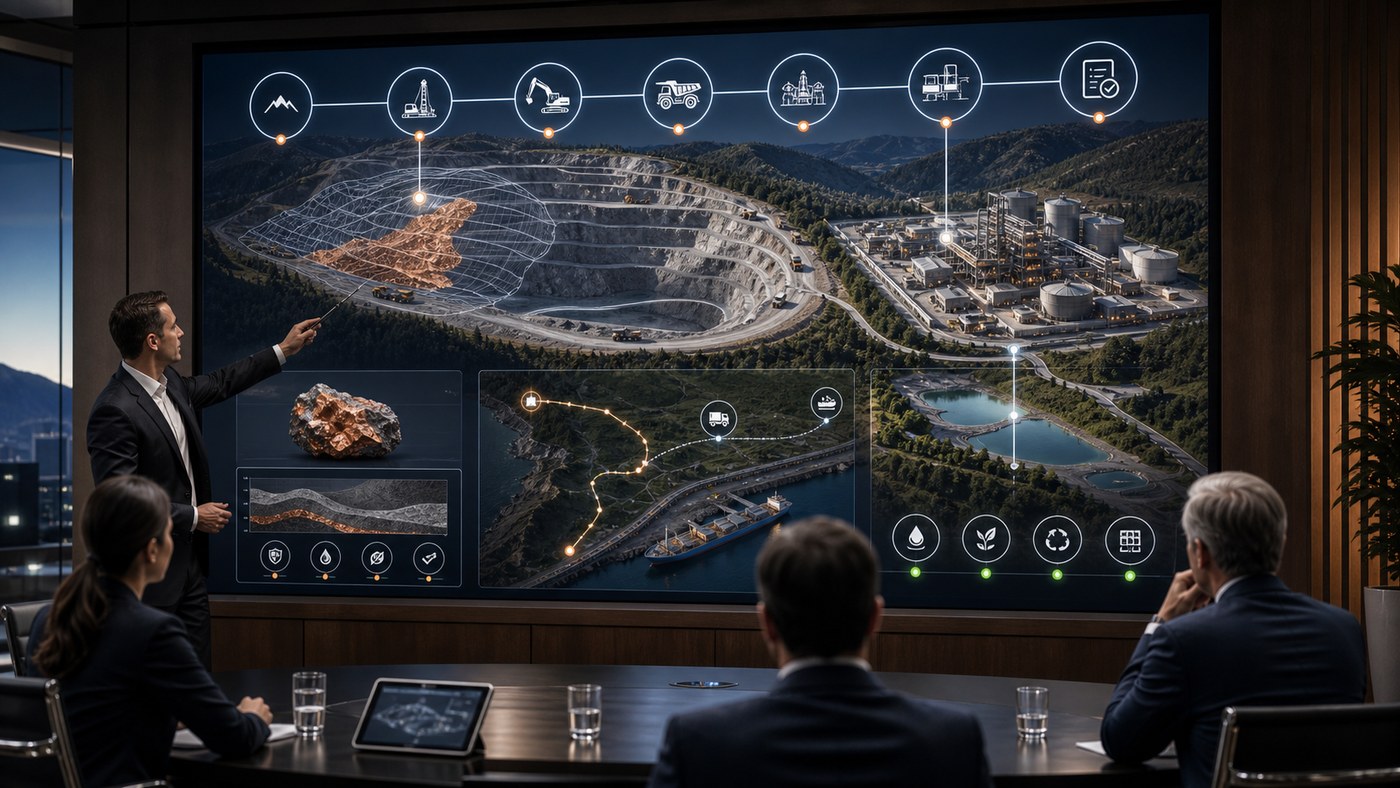
One of the strongest uses of mineral resources visualization animation is explaining geology. Geological information is naturally three-dimensional, but it is often shared through maps, cross sections, tables, and technical reports. Those formats are essential, but they can be difficult for non-specialists to interpret quickly.
A 3D visualization can show terrain, drill holes, ore zones, faults, stratigraphy, and resource boundaries in one coherent view. The camera can move through the model, isolate layers, fade between cross sections, or show how drilling information supports an interpretation. This does not replace technical reporting, but it can make the reporting easier to discuss.
For exploration teams, visualization can help communicate the logic behind a target. It can show why a drilling program is focused on a certain area, how past results connect to future work, or how a mineralized trend extends through a property. For development teams, it can show how an ore body connects to mine access, infrastructure, processing, and staging.
The key is to keep the visual disciplined. A geological animation should not exaggerate certainty. It should distinguish between measured information, interpreted zones, planned work, and conceptual development. Clear visual conventions help: transparent materials, restrained colors, simple labels, and careful camera movement.
For companies already working from CAD, GIS, survey, or engineering data, Austin Visuals’ article From CAD to Cinema: Engineering 3D Animation Explained gives useful context on how technical source materials can become polished animation without losing the engineering logic behind them.
Visualizing Mineral Processing and Material Flow
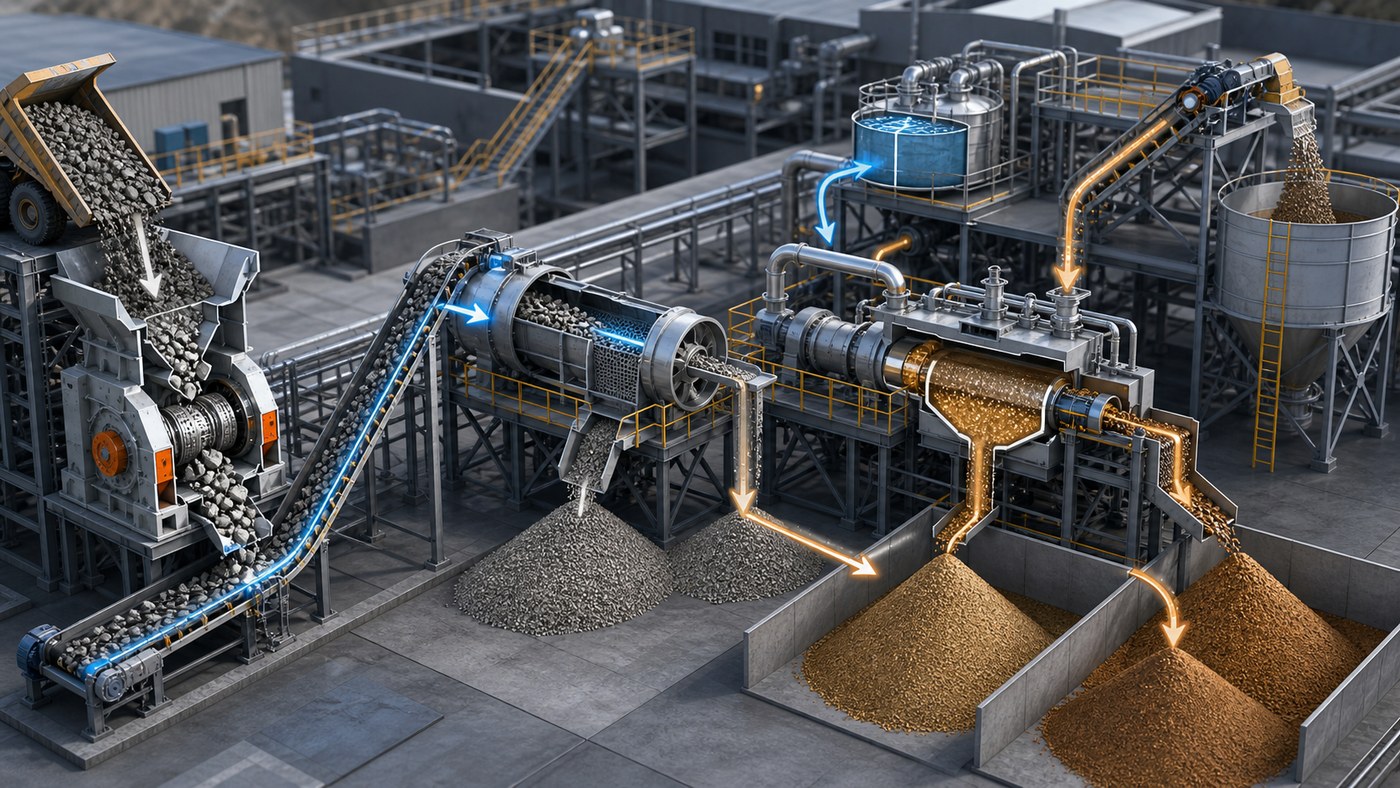
Mineral processing facilities are ideal candidates for 3D animation because they involve movement, sequence, and equipment interaction. A viewer may need to understand how ore moves from extraction to crushing, grinding, classification, separation, concentration, filtration, storage, or shipping. If the process includes water, reagents, heat, pressure, dust control, or waste handling, the explanation can become even more complex.
Animation can show material flow through each stage. It can slow down the action where the process is unfamiliar, cut away equipment housing to show internal operation, and use color to distinguish ore, waste, water, concentrate, or air flow. It can also show how sensors, control systems, automation, or maintenance procedures affect the operation.
For sales, training, and stakeholder communication, this clarity is valuable. Equipment suppliers can explain how a machine works. Plant operators can train teams on system flow. Mining companies can explain how a processing upgrade improves recovery, efficiency, safety, or environmental control. Executives can use the same visual language to explain why an investment or project milestone matters.
The strongest process animations are not overloaded with labels. They use a visual hierarchy that tells the viewer where to look. The camera introduces the whole plant, then moves into the relevant system. Color and motion guide the eye. Labels appear only when they support comprehension. The result is a cleaner explanation that respects the complexity of the operation.
A related example is Austin Visuals’ article on a 3D explainer animation for manufacturing. While mineral processing has its own technical requirements, the communication principle is similar: show how systems work, how materials move, and why each stage matters.
Training, Safety, and Operations Communication
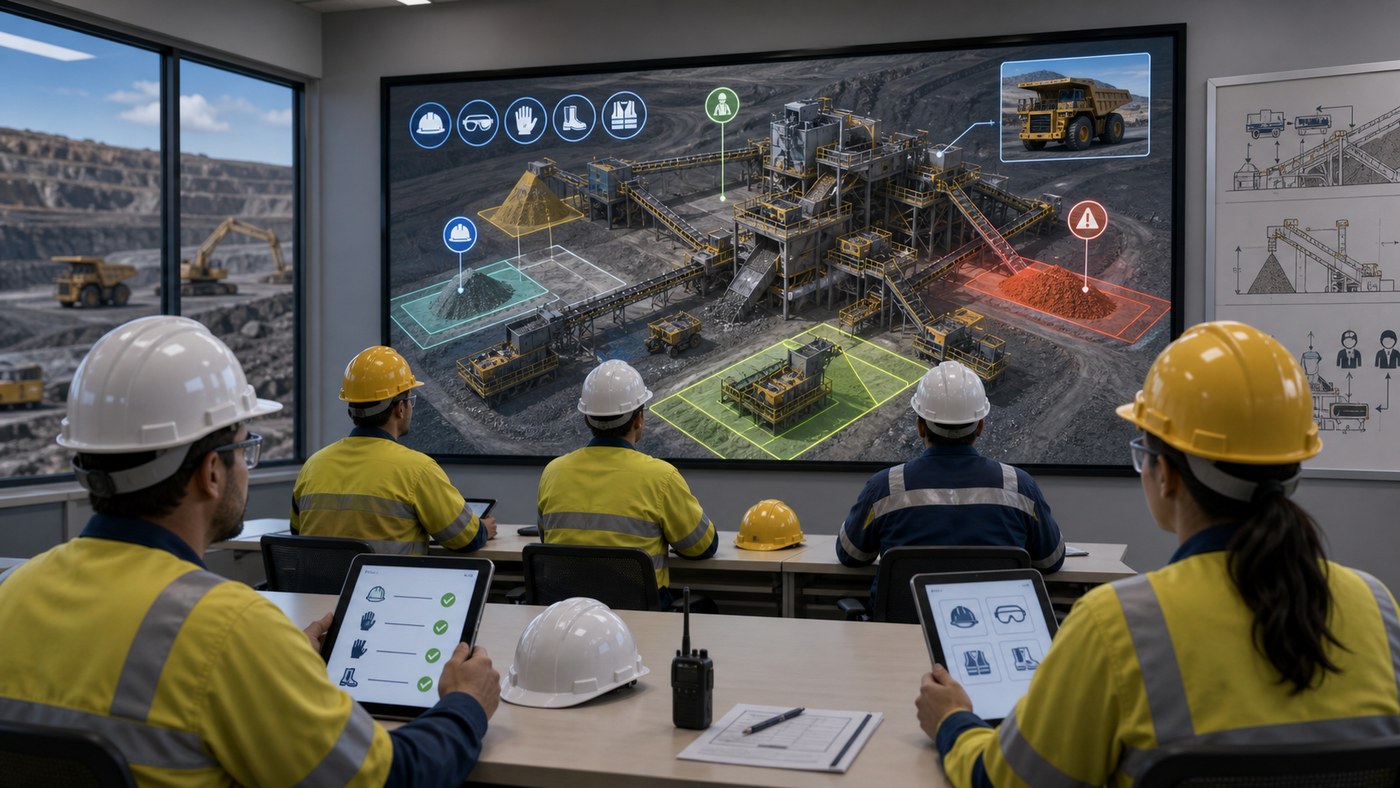
Mining and mineral processing environments involve heavy equipment, moving materials, confined spaces, energy isolation, dust, noise, water systems, chemicals, traffic patterns, and maintenance hazards. Training has to be clear because the consequences of misunderstanding can be serious. Mineral resources visualization animation can support training by showing tasks and hazards that are difficult to film safely.
For example, animation can show the correct sequence for lockout tagout, safe access around conveyors, crusher maintenance steps, haul truck blind spots, emergency response routes, or restricted zones around operating equipment. It can also reveal invisible hazards, such as stored energy, flow direction, pinch points, pressure, heat, or dust movement.
Animation is also useful for onboarding and contractor orientation. New workers may need to understand a site layout before entering the field. A 3D visual can introduce roads, staging areas, processing zones, PPE expectations, emergency routes, and communication protocols. This gives learners a mental map before they are surrounded by real site complexity.
Operations teams can also use visualization to explain procedural changes. If a plant is adding equipment, changing flow paths, updating controls, or improving maintenance access, animation can help teams see the new workflow before it is implemented. That can reduce confusion, support planning meetings, and help stakeholders identify questions earlier.
The communication needs are close to those discussed in Austin Visuals’ article on how an industrial 3D animation company can improve engineering communication. In technical environments, animation works best when it is accurate, purposeful, and designed around the decisions people need to make.
Investor, Permitting, and Public Communication
Mineral resource projects often need support from investors, partners, regulators, landowners, communities, or internal leadership. These audiences may not need every engineering detail, but they do need to understand the project clearly enough to evaluate it. Visualization can help communicate scale, sequence, infrastructure, environmental controls, and economic logic.
For investor presentations, animation can show how a deposit connects to a development plan. It can explain phases, milestones, site infrastructure, processing capacity, logistics, and potential expansion. For permitting or public communication, visualization can show where facilities are located, how access roads are arranged, how water or tailings systems are managed, and how the project footprint changes over time.
This kind of visual communication should be handled carefully. A public-facing mineral resources visualization should avoid overpromising and should clearly separate existing conditions, proposed designs, and conceptual future phases. When done responsibly, animation can reduce confusion and make public conversations more concrete.
Technical animation can also help teams communicate innovation. New sorting systems, processing methods, monitoring platforms, electrified fleets, automation, or environmental controls may be hard to explain with a slide deck alone. A concise 3D animation can show how the technology works and why it matters.
Austin Visuals has covered similar communication needs in how oil and gas companies will use engineering-grade animation. Although oil and gas differs from mining, both sectors rely on visualizing complex infrastructure, hidden processes, technical risk, and large-scale project value.
Best Practices for Mineral Resources Visualization Animation
A strong mineral resources visualization project starts with a clear communication objective. The team should know whether the animation is meant to explain geology, support fundraising, train operators, describe a processing system, present a mine plan, or communicate with the public. Each objective requires a different level of detail and a different visual strategy.
Source materials matter. Useful inputs may include geological models, GIS data, survey files, drone footage, site photos, CAD models, engineering drawings, process flow diagrams, equipment references, safety procedures, environmental plans, investor decks, and subject matter expert notes. The more organized the source material, the easier it is to build a visualization that is both accurate and efficient.
Review should be built into the process. Geologists may review ore body representation. Engineers may review equipment, layout, or process sequence. Safety managers may review procedures and hazard zones. Executives may review messaging and audience fit. Public-facing projects may require legal, compliance, or community relations review.
Visual restraint is important. It can be tempting to make a mining animation look overly cinematic, but clarity should lead. The best visuals use camera movement, lighting, color, transparency, labels, and motion to support understanding. They do not bury the viewer in effects. They explain the project in a way that feels credible.
Finally, plan for reuse. A 3D site model, equipment library, process animation, or geological visualization can often support multiple assets: investor videos, training modules, safety explainers, public presentations, social clips, and internal briefings. Thinking ahead can make the initial investment more valuable.
Why Work With Austin Visuals
Austin Visuals helps technical organizations communicate complex ideas through animation, video production, and visual storytelling. For mineral resources visualization animation, that means combining industrial communication experience with 2D and 3D production skills. The work needs to be visually polished, but it also needs to be clear enough for real business, training, and stakeholder use.
The studio supports 2D animation, 3D animation, industrial animation, engineering animation, product animation, medical animation, architectural visualization, corporate video production, training videos, marketing videos, virtual reality, interactive media, and AI-enhanced video production. That range is useful for mineral resource projects because the communication need may involve geology, equipment, processing, safety, investor education, or public outreach.
Austin Visuals can help turn source materials into scripts, storyboards, 3D models, motion graphics, voiceover-ready visuals, training modules, and presentation assets. The process can be scaled to the need: a focused process animation, a full project overview, a safety training module, or a set of visuals for investor and stakeholder communication.
For companies that need to explain a resource, plant, product, procedure, or project plan, animation can reduce ambiguity. It gives decision-makers something to see, discuss, and remember. When visual communication is grounded in technical accuracy, it can help teams move faster and communicate with more confidence.
Our Clients include:

FAQ: Mineral Resources Visualization Animation
What is mineral resources visualization animation?
It is the use of 2D or 3D animation to explain mineral deposits, geology, mining plans, processing systems, equipment operations, safety workflows, logistics, or project development.
Who uses mineral resource visualization?
Mining companies, exploration teams, mineral processors, engineering firms, equipment manufacturers, investors, public communication teams, training departments, and environmental consultants can use visualization to explain technical information more clearly.
Can animation show underground ore bodies?
Yes. A 3D visualization can show terrain, drill paths, geological layers, interpreted ore zones, cross sections, and mine access concepts. The visual should be built carefully so it does not overstate the certainty of interpreted data.
Is 3D animation useful for mineral processing plants?
Yes. Processing plants involve equipment sequence and material flow, which are well suited to animation. A visual can show crushing, conveying, separation, water flow, concentrate handling, controls, and maintenance access.
What materials are needed to start a visualization project?
Useful materials include geological models, site photos, maps, CAD files, process diagrams, engineering drawings, safety procedures, equipment references, drone footage, and notes from geologists, engineers, or operators.
Can mineral visualization be used for investors?
Yes. Investor-focused animation can explain project scale, resource context, infrastructure, processing plans, milestones, logistics, and development strategy in a format that is easier to understand than dense technical slides alone.
Can Austin Visuals create both technical and public-facing visuals?
Yes. Austin Visuals can create technical animations for engineers and operators as well as clearer presentation visuals for executives, investors, public stakeholders, and training audiences.
Related Austin Visuals Posts
- Why Technical Industries Need More 3D Animation Than Ever
- From CAD to Cinema: Engineering 3D Animation Explained
- Case Study: 3D Explainer Animation For Manufacturing
- How an Industrial 3D Animation Company Can Improve Engineering Communication
- How Oil & Gas Companies Will Use Engineering-Grade Animation in 2026
Conclusion
Mineral resources visualization animation helps teams explain what is difficult to see: underground geology, equipment sequence, material flow, site planning, operational risk, and project value. In mining and mineral processing, these subjects are often too complex for a single drawing or slide deck. Animation gives the audience a guided path through the information.
The best mineral resource visuals are accurate, source-driven, and designed around the viewer’s decision. A geologist may need detail. An investor may need the project logic. A worker may need the safe procedure. A community stakeholder may need to understand location, sequence, and controls. Animation can support each of those needs when it is planned carefully.
For exploration, operations, processing, safety, training, investment, or public communication, Austin Visuals can help turn technical mineral resource information into clear visual content.
Austin Visuals helps companies turn equipment, workflows, safety procedures, products, and technical processes into clear visual content that teams and customers can understand.
Contact us at info@austinvisuals.com or call (512) 591-8024.