Marine video production creates filmed, animated, or combined video content that explains vessels, marine equipment, shipyard capabilities, and maritime services. A useful production starts with the decision the viewer needs to make: whether to request a technical meeting, understand an installation, or evaluate a supplier.
A shipbuilder and a pump manufacturer may both need video, but their buyers need different evidence. One may need to see available facilities and project scope. The other may need a clear view of equipment connections that a camera cannot reach. Austin Visuals provides technical animation and video services that can help turn those details into understandable content.
For a project with restricted vessel access or unfinished equipment, deciding what to film and what to animate early makes the production brief more useful. Contact Austin Visuals to discuss your marine video brief.
What should marine video production show?
A marine video should show the capabilities, product details, or operating context that matter to its intended audience. Choose one primary purpose before deciding on camera shots, narration, or animation style.
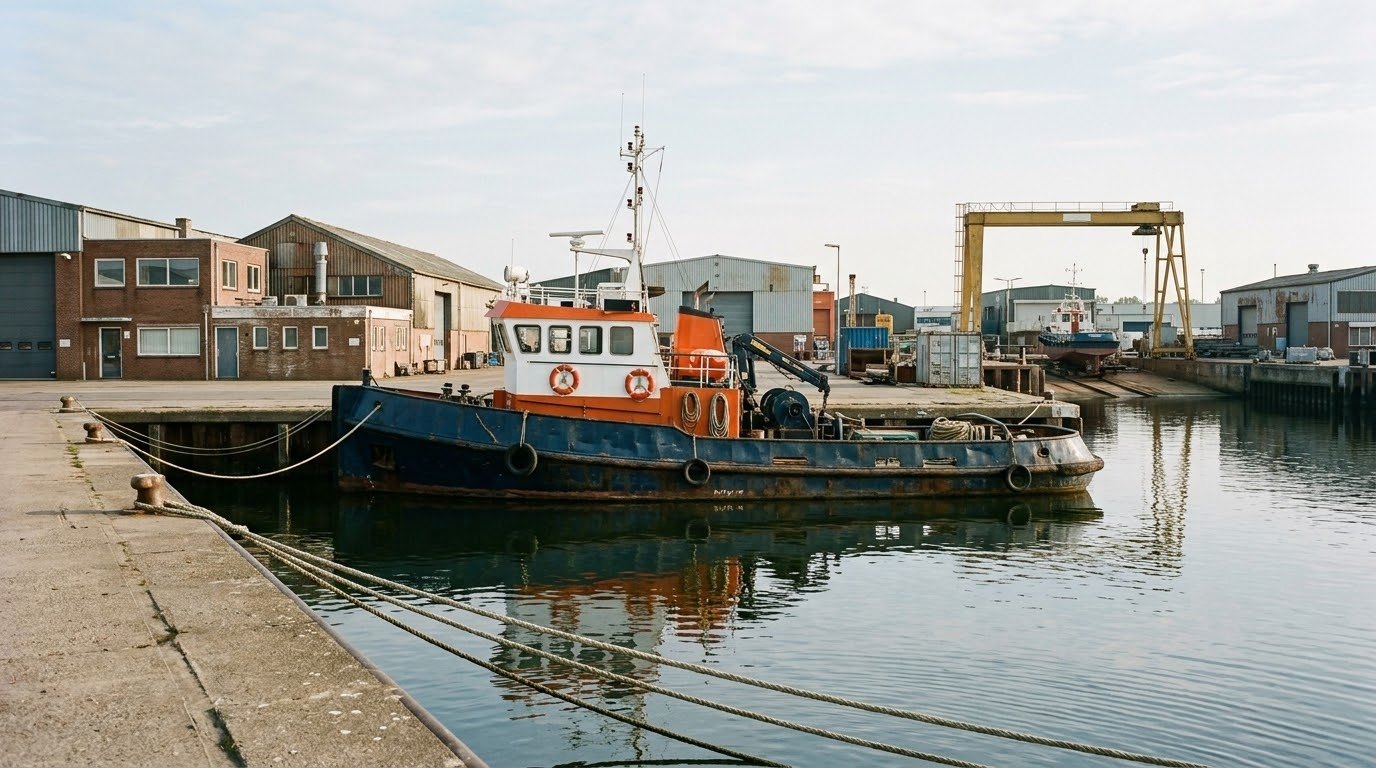
For a shipyard seeking commercial work, that might mean explaining which repair services it provides and how a prospective customer starts an inquiry. Footage of the facility gives viewers a sense of place, while approved project examples can demonstrate relevant work. A broad aerial view alone does little to explain what the yard can take on.
A marine equipment supplier has a different task. Buyers may need to understand where a component fits, what connects to it, and which parts of the installation remain the customer’s responsibility. Close views and a simple system diagram can be more valuable than a long sequence of vessels at sea.
Training content needs a separate brief. It should follow the client’s approved material and name the equipment or vessel configuration it applies to. Avoid making one film carry sales claims, detailed instruction, and company history. Those purposes usually need different pacing and review.
Choose between filming, animation, and a combined approach
Live footage shows actual facilities and equipment; animation can explain views that are hidden, unavailable, or still in development. A combined approach works when viewers need both physical context and a clear explanation of the system.
| Communication need | Useful approach | What to confirm |
|---|---|---|
| Show an existing shipyard or vessel | Location footage with focused narration | Access, filming boundaries, and which operations may appear |
| Explain an internal equipment mechanism | Technical animation based on approved references | Configuration, movement, and engineering review |
| Introduce equipment before installation | 3D product views and a simplified installation context | Which details are final and which remain proposed |
| Present a marine supplier’s capabilities | Interviews, relevant footage, and explanatory graphics | Evidence for each capability claim |
| Support a vessel-specific training module | Approved footage or animation matched to the lesson | Current procedures, intended learners, and responsible reviewers |
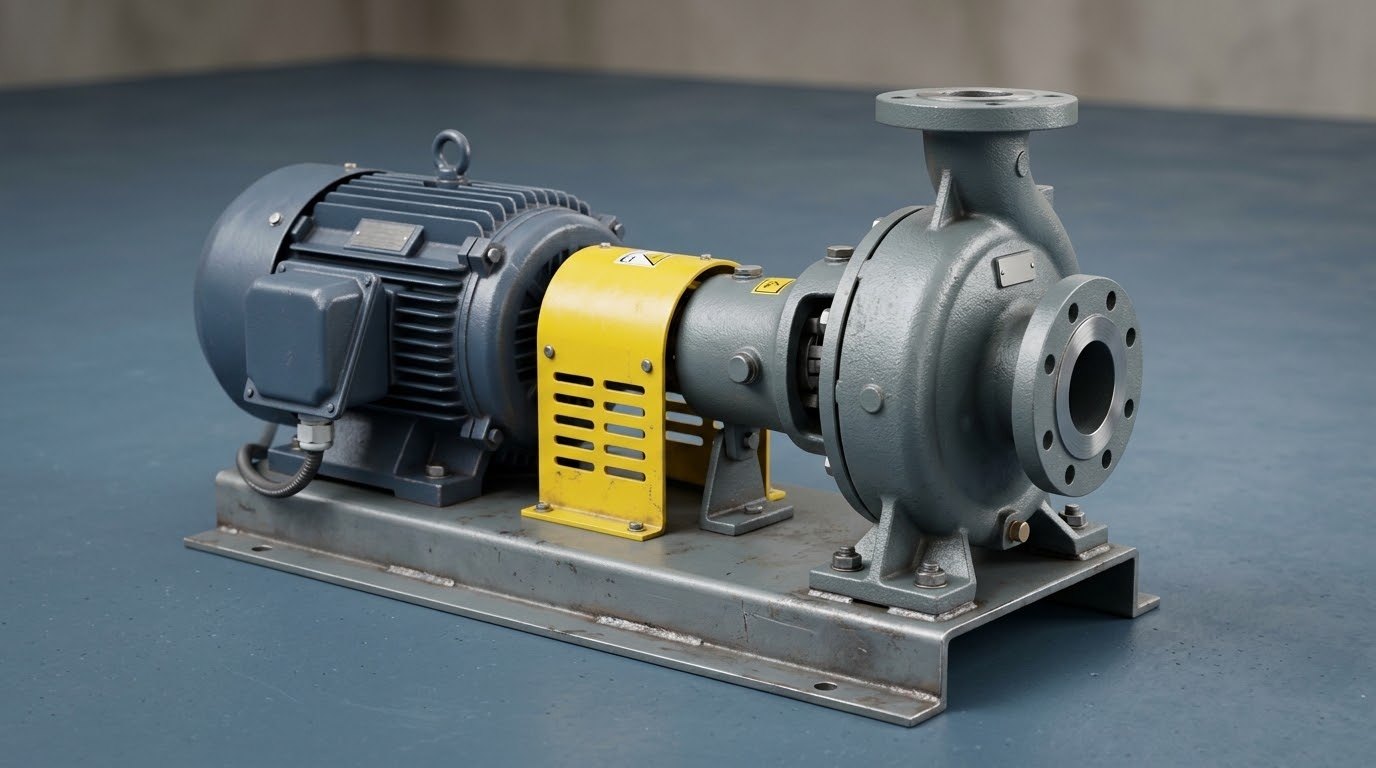
Consider a fictional manufacturer introducing a seawater pump. An exterior shot establishes the real product. A simplified animation can then identify its inlet, outlet, and position within a larger arrangement. If the animation includes internal motion, the manufacturer needs to confirm the geometry and behavior shown.
This is where 3D technical animation can support a marine equipment presentation. The production should distinguish a conceptual illustration from a depiction of a specific installed system. Photorealistic rendering does not establish engineering accuracy.
Prepare a brief your production team can use
A practical maritime video production brief identifies the audience, the question the video must answer, and the material available to support that answer. Include the intended delivery channels and the people responsible for technical approval.
Write the central question in plain language. For example: “How does our equipment fit into a vessel retrofit?” is more useful than “We need an exciting brand film.” The first question tells the writer which details to request and helps the reviewer judge whether the script is complete.
- Identify the viewer and the action you want them to take after watching.
- List the few product details or capabilities they must understand before taking that action.
- Gather approved drawings, photographs, existing footage, and relevant product information.
- Explain access restrictions, confidentiality concerns, and anything still subject to change.
- Name the technical reviewer and the person who approves the final message.
- Specify delivery formats, languages, captions, and any shorter versions required.
For animation, explain whether CAD files reflect the current design. Missing components, unnecessary detail, and outdated assemblies can all affect the work required. A production team may be able to build from photographs and drawings, but those references must show enough detail for the intended views.
Keep confidential material out of casual email chains or unapproved sharing tools. Agree on how project files will be transferred and who may access them before sending sensitive drawings. The production brief can describe the available material without attaching it immediately.

Plan shipyard filming around actual access
Shipyard video production depends on what the site can make available during the filming window. Confirm access and acceptable camera positions with the responsible site team before committing to a detailed shot list.
A vessel’s location, maintenance activity, background noise, and weather can affect what can be recorded. Some equipment may be covered or inaccessible when the camera crew arrives. Ask which scenes are essential and which have workable alternatives.
Interviews deserve their own plan. A visually impressive location may have poor sound. Record the main explanation in a suitable space, then use approved operational footage to illustrate it. This also gives the editor more flexibility if the work area becomes unavailable.
Discuss aerial, onboard, and underwater footage separately. Each introduces its own access and production requirements. A general video proposal should not imply that all three are included. The appropriate operator and site representatives need to confirm whether a proposed approach is feasible.
For restricted locations, existing client-owned footage may be useful if its resolution, permissions, and subject matter fit the brief. Review it before scheduling new filming. It may cover a specific view well while leaving other parts of the story better suited to animation.
Review technical details before the final render
Technical review should begin with the script and storyboard, while changes are still straightforward. Reviewers need to check what the video says and what every relevant shot implies.
A scene can look convincing while showing the wrong equipment variant. A connection can appear to lead to the wrong system, or an edit can suggest that two separate operations happen together. These problems are easier to identify in a clear storyboard than in a fast-moving final sequence.
For marine equipment animation, assign a reviewer who knows the specific assembly and its intended use. Ask them to check orientation, component relationships, terminology, and any claimed behavior. Marketing approval and engineering approval cover different questions; both may be needed.
Training projects also need review against the current source material. Keep a record of the procedure version and the reviewer responsible for approving the depicted sequence. A polished video should support the organization’s training process without inventing instructions or implying that viewing alone proves competence.
Resolve conflicting feedback through one client contact. If sales requests a simplified explanation and engineering asks for additional detail, decide which information belongs in this version and which needs a separate technical module. Adding everything can make the original message harder to follow.
What affects the budget and production schedule?
The main scope drivers are filming logistics, animation complexity, available source material, and the number of deliverables. A reliable quote needs those details; finished running time alone is a poor basis for comparing proposals.
A short video with several vessel locations may require more coordination than a longer presentation built from approved footage. Similarly, an exterior product rotation and an animated internal mechanism can require very different preparation even when their final durations match.
Request a proposal that explains what is included in scripting, filming or modeling, technical review, editing, and delivery. Clarify the revision process and which changes would alter scope. A new product configuration introduced after approval may require different work from correcting a caption.
Language versions and distribution formats should be discussed early. A marine corporate video for a website may need narration and captions, while a trade-show version may need to communicate without sound. Reworking the composition after completion can be avoidable if both uses are known at the start.
Set the schedule around review availability as well as production tasks. Identify who can approve drawings and script changes, and account for any material that has not yet been finalized. Ask the studio to flag dependencies rather than assuming all assets will arrive together.
How Austin Visuals helps with marine video production

Austin Visuals provides technical animation, industrial visualization, and video production services that can support marine equipment and maritime business communication. The appropriate scope depends on the material you need to explain and the references available.
Its industrial 3D animation services cover equipment, machinery, and process visualization. For a marine supplier, those capabilities can be applied to an approved product presentation, a system overview, or a technical explanation built around the client’s drawings and review.
The Austin Visuals portfolio includes technical, oil and gas, safety, and training categories. Review examples for their treatment of equipment detail and explanation style. Then discuss the particular requirements of your marine project, including whether location filming or specialist capture is needed.
A useful starting package is a brief description of the audience, your current product references, and the question the video must answer. If the project involves a proposed installation, identify which elements are approved so the visual treatment can reflect that distinction.
Our Clients include:
Start with the buyer’s question
Marine video production works best when each scene helps the intended viewer understand something specific. Agree on the audience and the technical message before selecting locations or commissioning detailed animation.
Choose footage for the real-world context it provides, animation for the explanation it makes possible, and a review process that keeps both accurate. A focused brief makes it easier to compare proposals and judge whether the finished video is ready to use.
Frequently Asked Questions
What is marine video production?
Marine video production is the creation of filmed or animated content about vessels, marine equipment, shipyards, and maritime services. It can support sales, company communications, product explanations, or training, with a separate brief and review process for each purpose.
How much does a marine video cost?
A marine video’s cost depends on filming access, travel, animation detail, source material, and required versions. Request a scoped quote that explains the production tasks and revision allowance. Duration alone does not account for those differences.
Can a marine video be produced without filming onboard?
Yes. Approved existing footage, photographs, technical drawings, and animation can support a marine video without new onboard filming. The team should identify which details those materials can show accurately and where additional references are needed.
When is 3D animation useful for marine equipment?
3D animation is useful when viewers need to understand hidden components, equipment relationships, or a product that cannot yet be filmed. Build the depiction from approved references and have a qualified client reviewer verify any specific mechanism or operating sequence.
What should we send before requesting a production quote?
Send the intended audience, main communication goal, delivery deadline, and a description of available footage, drawings, or CAD files. Include access constraints, required languages and formats, and the technical approval contact. Agree on a suitable transfer method before sharing sensitive files.
Can one marine video work for a website and a trade show?
Yes, if both versions are planned at the start. A website version may use narration and a direct next step, while a trade-show loop needs to remain understandable without sound. Confirm separate edits, captions, and screen formats in the production scope.
Related Articles
- Subsea equipment animation for training and sales
- Offshore platform safety animation: training guide
- Industrial 3D animation services for technical communication