
Legal animation for construction defect cases can help attorneys, experts, mediators, arbitrators, judges, and jurors understand how building components fit together, how work progressed, and how an alleged condition relates to the technical record. Austin Visuals creates evidence-driven 3D animation and litigation graphics for complex construction matters.
Construction disputes often involve thousands of pages of drawings, specifications, RFIs, schedules, inspection reports, photographs, testing records, and expert analysis. A wall opening that appears simple in a photo may include cladding, flashings, membranes, fasteners, insulation, sheathing, framing, and interior finishes. A crack may be documented at several dates and measured by different methods. A schedule may contain activities that do not describe the exact field sequence. Animation can organize these relationships into a controlled visual explanation.
The visual must stay tied to its defined purpose and source material. It should not invent missing facts, amplify movement, conceal uncertainty, or substitute an artist’s judgment for an expert opinion. Admissibility and courtroom use depend on the jurisdiction, the intended use, the foundation, disclosure, testimony, court orders, and judicial rulings. This article is general production information, not legal advice.
What Is Legal Animation for Construction Defect Cases?
A construction defect animation is a case-specific visual used to explain a building system, sequence, measurement, observed condition, repair concept, or expert opinion. It may be prepared for early case evaluation, expert collaboration, mediation, arbitration, deposition, settlement presentation, or trial. The same 3D model can produce animations, still images, labeled exhibits, section views, and alternate scenarios.
The strongest projects begin with a narrow question. For example: How was a window intended to integrate with the weather barrier? What sequence does the daily-report record support? Where did testing identify moisture? How would a specified movement appear at true scale? Which portions of a repair scope address the condition described by the expert? A focused question gives the team a standard for deciding what belongs on screen.
Legal visuals are not all used in the same way. Counsel may treat an animation as an illustrative aid, a demonstrative connected to testimony, or part of another evidentiary presentation. The production team should not choose that legal characterization. Counsel and the designated expert should define the purpose, necessary foundation, disclosure plan, and limits before final production.
Why Construction Defect Matters Are Visually Complex
Buildings combine assemblies installed by multiple trades over time. A roof-to-wall transition may involve the architect’s details, manufacturer instructions, shop drawings, field modifications, inspections, and later repairs. The visible symptom may be far from the alleged path or mechanism. Static documents often show only one layer, date, or viewpoint at a time.
3D construction visualization can maintain one coordinate system while the presenter switches between exterior context, section cuts, interior conditions, and close-up details. Geometry can be simplified without losing the relationship under discussion. The team can also create alternate views that clearly identify disputed assumptions rather than blending them into one authoritative-looking scene.
Scale is especially important. Tiny construction tolerances may matter technically, but enlarging movement without disclosure can create a misleading impression. Likewise, water, smoke, heat, loads, or deformation should not be animated as dramatic effects. The visual treatment must match the expert’s method and the level of certainty in the record.
Building Envelope and Water Intrusion Animation
A building envelope animation can reveal interfaces that are hidden after construction: window perimeter flashing, sill pans, sealants, drainage cavities, weather barriers, roof membranes, parapets, penetrations, and transitions between materials. A cutaway can show where components were designed to overlap and how an expert says an observed condition differs.
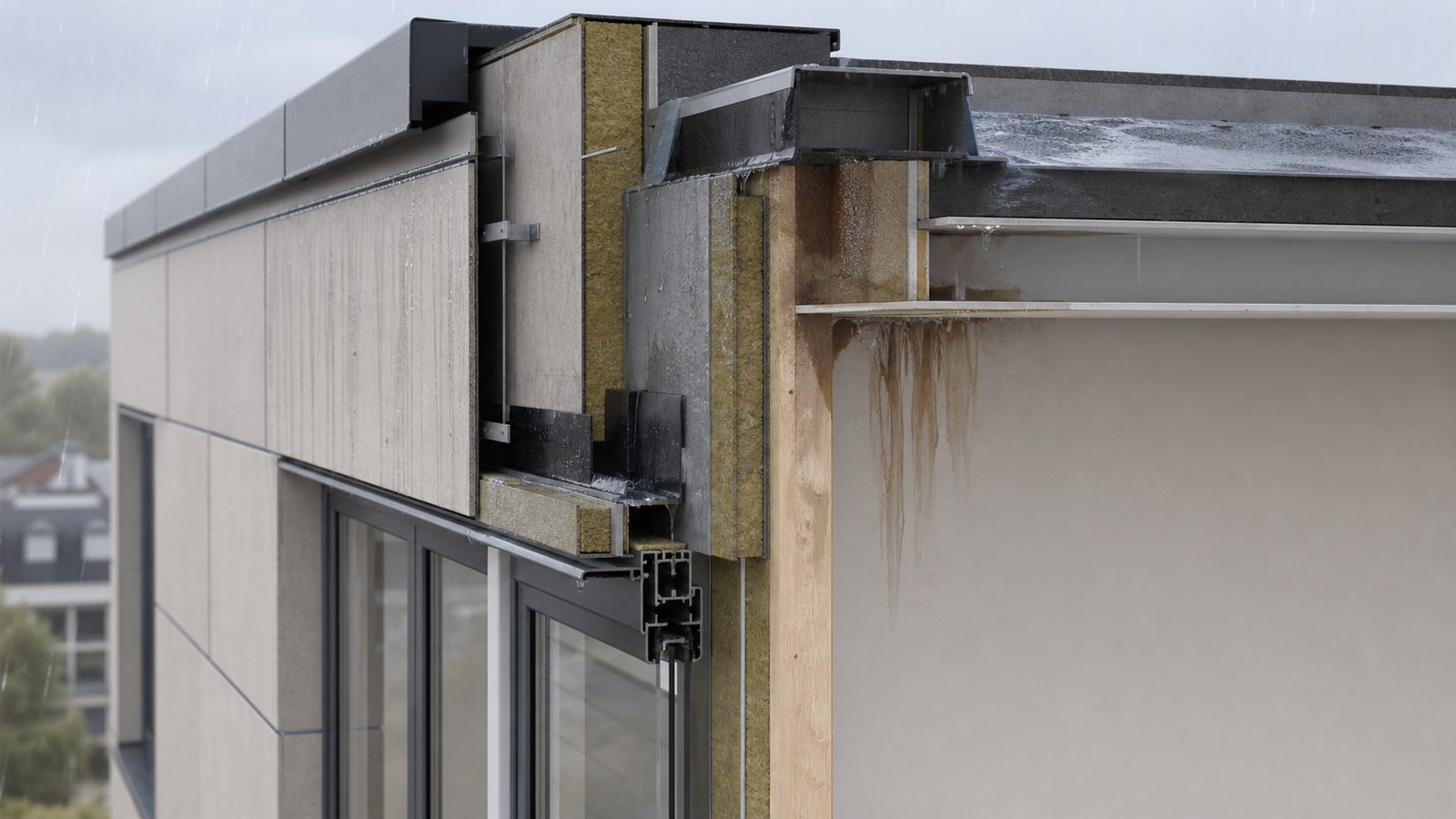
Moisture visuals require restraint. Water should follow gravity, pressure, capillary, or other mechanisms identified by the expert; it should not glow, travel through intact materials without explanation, or appear in quantities unsupported by testing. If the path is a hypothesis, the scene and narration should identify it as a theory rather than a documented fact.
Useful references may include architectural details, shop drawings, product literature, destructive testing photographs, infrared images, moisture readings, laboratory reports, and repair observations. The model should distinguish designed conditions, documented field conditions, and proposed explanations. A single view should not silently combine evidence from different locations.
Our Work samples:
Demo Reel
Foundation, Structural Movement, and Crack Mapping
Forensic construction animation can place survey data, slab elevations, foundation geometry, soil layers, crack locations, and structural components into one spatial model. It may show how measurements changed over time or compare an expert’s movement interpretation with the building geometry. The visualization is most credible when measured values, dates, datum references, and interpolation choices are documented.
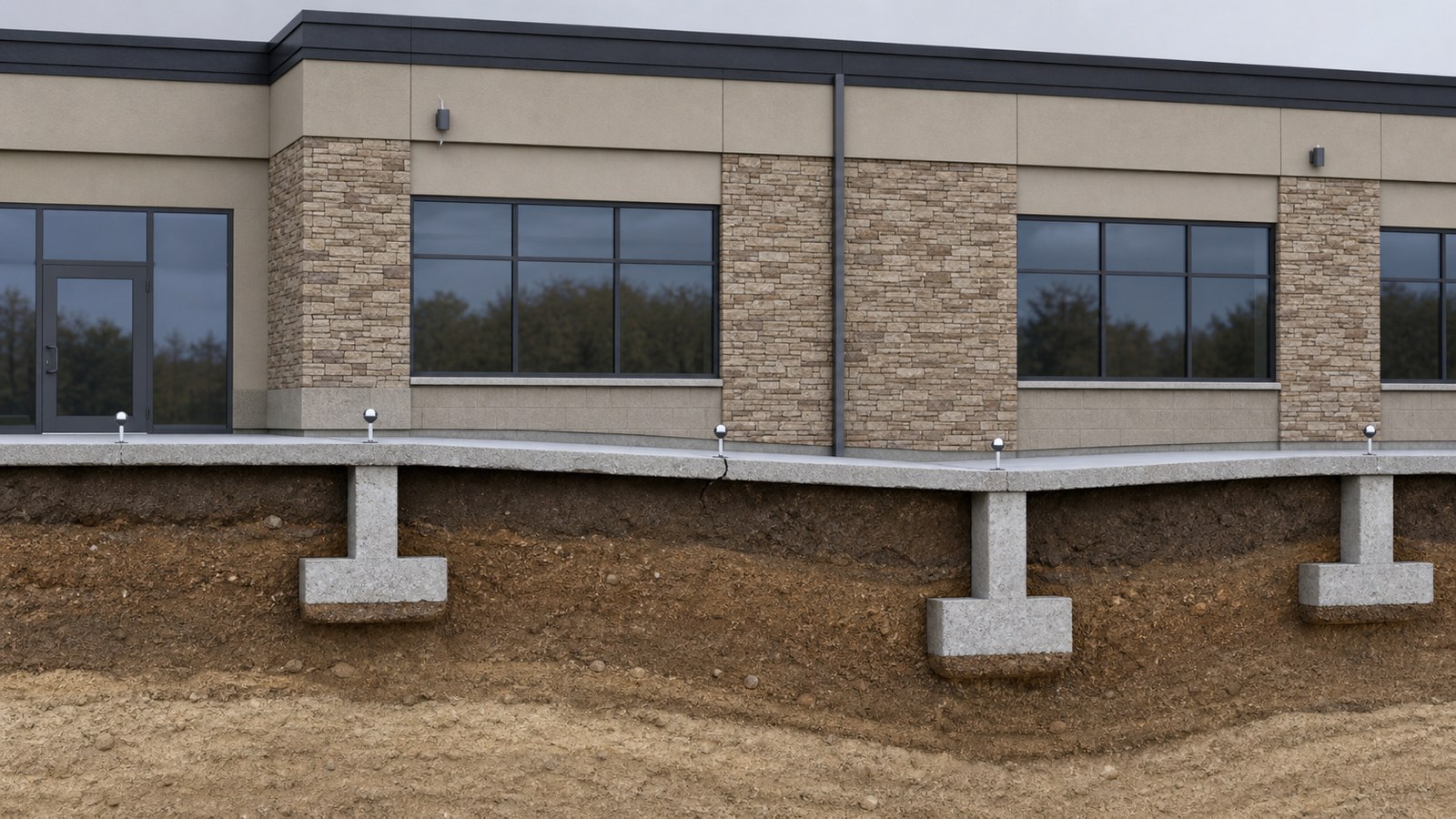
Measured geometry can be visualized at an appropriate scale without exaggerating movement or assigning cause.
Deformation should usually be shown at true scale first. If an exaggerated scale is needed to make a pattern visible, the amount and purpose of exaggeration should be disclosed in the presentation. Camera perspective, vertical scale, and color range can all influence perception, so those choices belong in the review process.
An animation should not imply that a crack pattern identifies one cause by itself. Differential movement, shrinkage, thermal effects, loading, material behavior, drainage, construction sequence, and repairs may all be part of the expert analysis. The visual communicates the stated analysis; it does not perform an independent engineering diagnosis.
Reconstructing Construction Sequence and Project Timeline
Construction defect disputes frequently turn on what was installed, when it was installed, what was visible at a particular inspection, and how later work covered or changed the condition. Construction litigation graphics can align schedules, daily reports, photographs, inspection logs, RFIs, submittals, and change documents into a visual sequence.
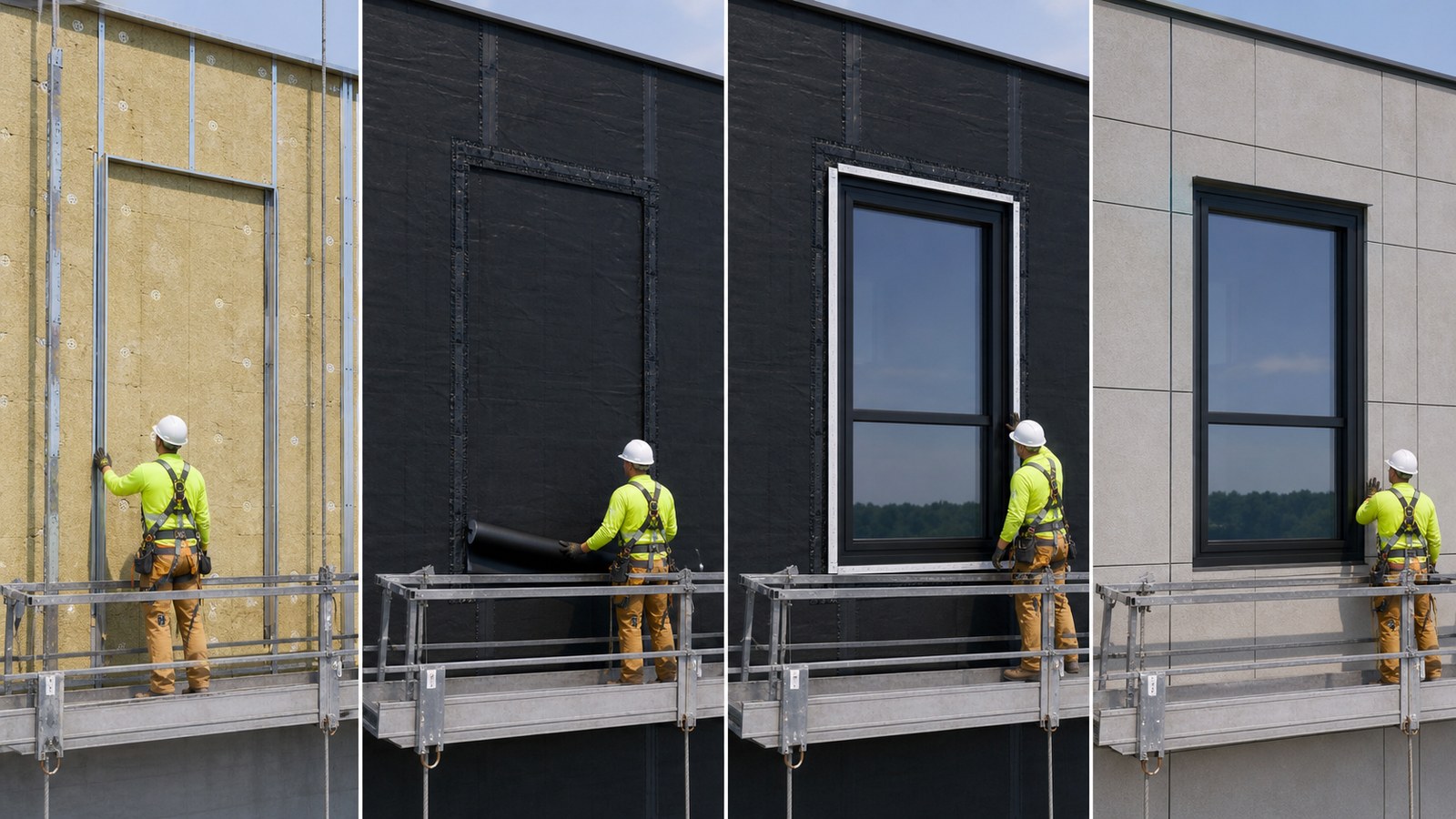
A reliable timeline separates documented dates from inferred intervals. A photograph may establish that a condition existed by a date, but it may not establish the exact installation date. Schedule activities may be planned, updated, or summarized. The storyboard should identify the basis for every scene and avoid filling gaps with an apparently continuous sequence.
Consistent camera placement makes comparisons easier. The audience can see the same facade bay before waterproofing, after flashing, after window installation, and after cladding. Callouts can identify which details come from the record, which are representative, and which are being offered as an expert interpretation.
Comparing Design, As-Built Conditions, and Repair Scope
A model can compare the design detail with a documented field condition or proposed repair. Side-by-side views, overlays, and controlled transitions help the audience notice changes in geometry, material continuity, fastening, drainage, or access. The comparison should use the same scale and viewpoint whenever possible.
As-built is a legal and technical label that should be used carefully. Record drawings may not verify every concealed condition. Site photographs and scans may cover only part of the building. If the model reconstructs an alleged condition from several references, the assumptions should be logged and reviewed rather than presented as direct observation.
Repair animation can explain sequence, access, temporary protection, demolition limits, replacement layers, and restoration. It should not imply that a repair scope is necessary, sufficient, or cost-effective unless that conclusion comes from the appropriate expert. The visual can also compare competing repair concepts using clearly separated scenarios.
Building an Evidence-Driven Visual Record
The animation workflow should make it possible to trace important visual elements back to their sources. Inputs may include design and record drawings, specifications, shop drawings, BIM, surveys, laser scans, drone imagery, photographs, videos, testing, schedules, reports, and deposition testimony. Each source has limits that should remain visible to the project team.
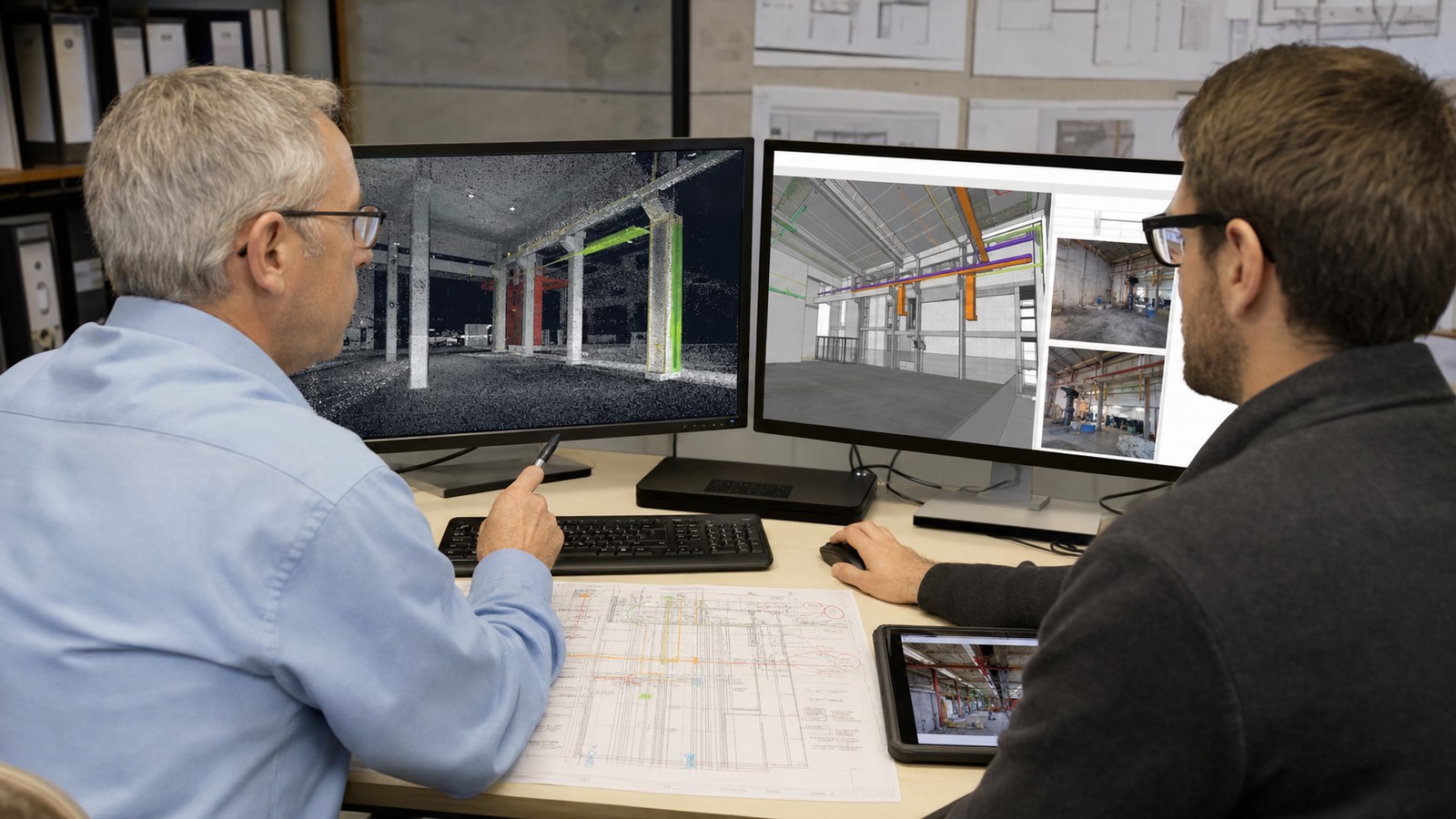
A source matrix can identify the file, date, author or custodian when known, location, model element affected, and reviewer. An assumptions log records choices such as a missing dimension, representative material, inferred camera position, or simplified component. Version control preserves which expert comments produced each revision.
This discipline also supports authentication and expert review. Under the current Federal Rules of Evidence, expert testimony and authentication involve requirements that counsel must evaluate, including Rules 702 and 901. The animation studio should preserve its process and avoid making legal conclusions about admissibility.
How to Prepare a Courtroom Demonstrative Animation
A courtroom demonstrative animation should be understandable at the display size and viewing distance of the intended venue. Small labels, subtle color differences, or fast camera movement may work on a workstation but fail in a courtroom or remote hearing. A clean visual hierarchy is usually more useful than cinematic effects.
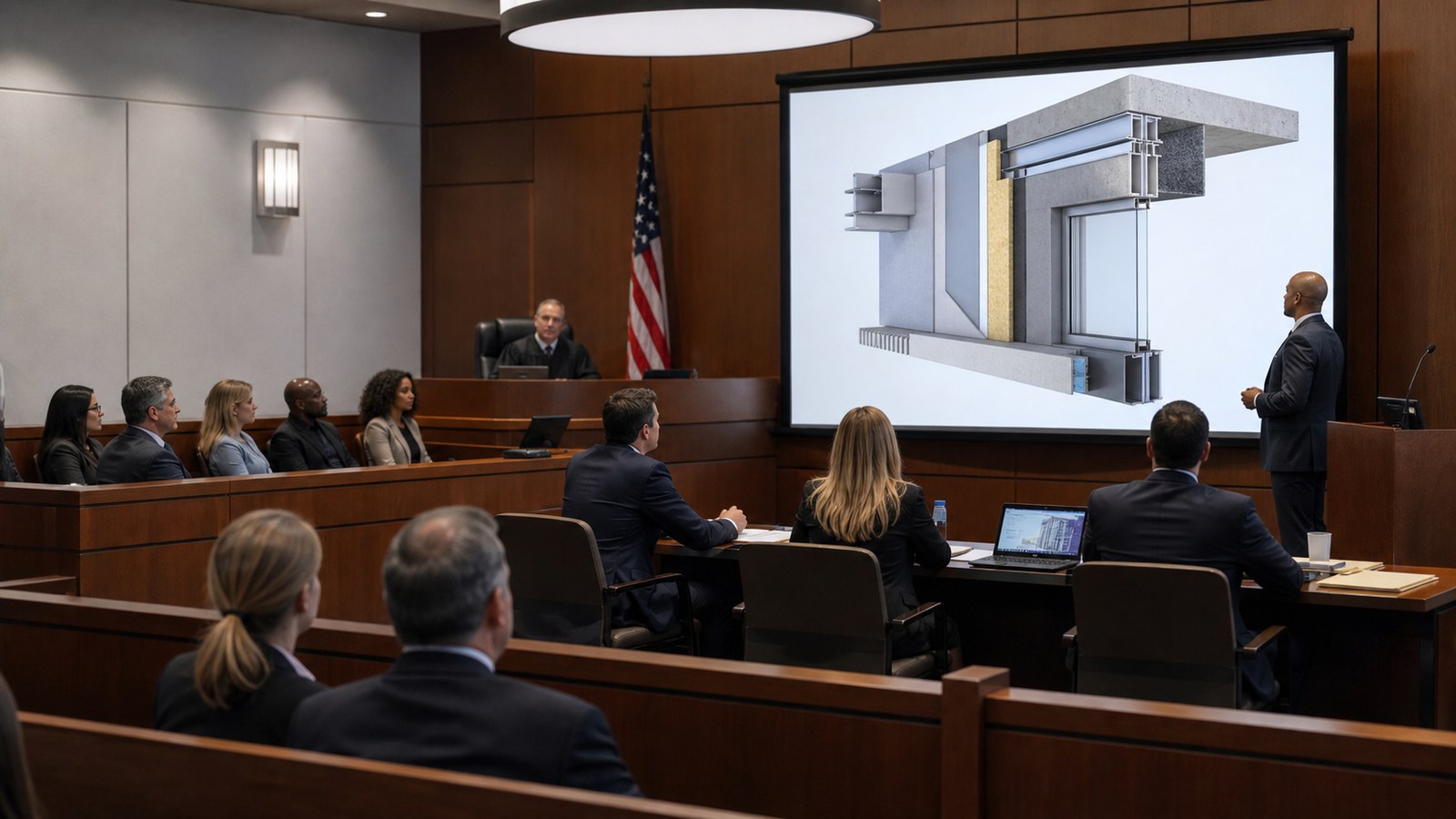
The expert and attorney should control the explanation. The animation can pause at defined points, switch to a still, isolate a component, or replay a sequence. Neutral camera movement and consistent lighting help keep attention on the technical issue. Sound effects, dramatic music, exaggerated damage, and emotional staging are generally poor fits for evidence-focused work.
Counsel should test the final delivery method, file format, playback computer, screen, audio if any, and backup options. The team should also retain a final approved master and a record of any alternate or earlier versions. Court-specific requirements and rulings should control what is ultimately shown.
A Practical Production and Review Workflow
1. Define the visual question
Start with the fact, relationship, or opinion the audience needs to understand. Identify the intended stage of the matter, the presenter, the expected runtime, and the level of detail.
2. Inventory and organize sources
Collect relevant documents and media with stable filenames. Note dates, locations, drawing revisions, and known gaps. Do not ask the artist to resolve conflicts that belong to counsel or an expert.
3. Create a storyboard and source map
The storyboard defines each scene, its purpose, narration, source basis, and assumptions. Counsel and experts can remove unsupported material before expensive modeling and rendering begin.
4. Build and validate the model
Review dimensions, assemblies, orientation, site context, and camera matching. Use low-detail geometry first. When exact geometry is unavailable, decide whether a representative model is appropriate and state the limitation.
5. Review the animatic
An animatic tests sequence, timing, camera movement, labels, comparisons, and expert explanation. Technical corrections should happen here, before final materials, lighting, and rendering make the visual look finished.
6. Approve and preserve the final
Use a documented approval process. Export the required presentation formats, preserve the approved master, and keep the source/assumption record according to counsel’s instructions and project terms.
Why Choose Austin Visuals for Construction Defect Animation?
Austin Visuals combines legal-animation production with architectural, engineering, and technical visualization experience. Our team can support source organization, scripting, storyboarding, CAD and BIM preparation, 3D modeling, animation, motion graphics, compositing, voiceover, still exhibits, and presentation-ready delivery.
We structure projects around attorney and expert review. Early storyboards focus the issue, low-detail animatics expose technical problems before final rendering, and review records help the team track assumptions and approvals. We can create neutral visuals for internal analysis or polished presentations for mediation, arbitration, deposition, or trial preparation.
Every case is different. The scope may involve one envelope detail, a multiyear construction sequence, a foundation survey, a repair comparison, or a coordinated library of legal graphics. To discuss timing, source material, and deliverables, contact Austin Visuals at (512) 591-8024 or info@austinvisuals.com.
Our clients include:

Frequently Asked Questions
What is legal animation for construction defect cases?
Legal animation for construction defect cases is a visual presentation built from case-specific records and expert direction to explain building systems, construction sequences, observed conditions, measurements, or competing technical opinions in litigation, mediation, arbitration, or case preparation.
What construction issues can animation help explain?
Animation can help explain building-envelope interfaces, water intrusion theories, roofing and flashing details, foundation or structural movement, MEP coordination, fire or smoke pathways, installation sequences, site logistics, repair scopes, and changes over time when supported by the available record.
Can a construction defect animation prove causation?
No. The animation itself does not determine causation. It visualizes a theory, opinion, measurement, or documented sequence supplied and reviewed by qualified professionals. The expert, counsel, and court determine how the visual relates to testimony and evidence.
What evidence is needed to create the animation?
Potential inputs include design and as-built drawings, specifications, RFIs, submittals, change orders, schedules, daily reports, inspection records, photographs, video, surveys, scans, testing data, repair records, expert reports, deposition excerpts, and verified site measurements.
When should a legal animation team join the case?
Early involvement can help identify missing references, define the visual question, and plan review time. Final production should follow a stable expert opinion and litigation strategy so the animation does not outrun the evidence or require avoidable late revisions.
Is every legal animation admissible in court?
No. Requirements vary by jurisdiction, purpose, foundation, disclosure history, expert testimony, and judicial rulings. Counsel should decide how the animation will be characterized and used, and should address applicable rules and court orders.
How does Austin Visuals support technical accuracy?
Austin Visuals organizes source materials, tracks assumptions, develops storyboards and animatics, preserves review notes, and schedules approvals with client-designated attorneys, experts, and consultants before final rendering and delivery.
Conclusion
Legal animation for construction defect cases can connect drawings, photographs, measurements, timelines, building assemblies, and expert opinions in a visual form that is easier to follow. Its credibility depends on disciplined sourcing, restrained design, explicit assumptions, and review by the attorneys and professionals responsible for the case.
The goal is not to make a disputed condition look dramatic. It is to help the intended audience understand the technical relationship accurately, at the level supported by the record and permitted by the decision-maker.
Austin Visuals creates evidence-driven legal animation, building cutaways, construction timelines, technical comparisons, and courtroom-ready graphics with staged attorney and expert review.
Contact us at info@austinvisuals.com or call (512) 591-8024.
Related Articles
- Legal & Forensic Animation: Turning Complex Evidence into Jury-Friendly Visuals
- Legal Graphics & Trial Graphics: The Growing Role of Visuals in the Courtroom
- Legal Animation Company for Courtroom Presentations
- Architectural & Construction Animation: Visualizing Projects Before the First Brick
- How to Create Effective Courtroom Graphics