Introduction: Choosing the Right Visual Medium for Product Marketing
When you’re preparing to launch a new product or explain how your technology works, one of the first questions your team faces is: should we use live action video or animation? Both formats can be powerful, but they serve different purposes, budgets, and audiences. The wrong choice can mean wasted production dollars and content that misses the mark. The right choice positions your product clearly, memorably, and persuasively.
At Austin Visuals, we’ve helped businesses across industries—from SaaS platforms to medical device manufacturers—navigate this decision for over a decade. Based in Austin, Texas, we specialize in 2D animation, 3D animation, product animation, explainer videos, and full-scale video production. Whether you’re a marketing director evaluating options or a product team preparing for launch, understanding the strengths and limitations of live action vs animation for product marketing will help you make a more informed, strategic choice.
If you’d like to discuss your project directly, reach us at 512-591-8024 or info@austinvisuals.com. We’re here to help you think through format, messaging, and creative strategy before a single frame is produced.

What Is Live Action Video Production?
Live action video production refers to filming real people, real environments, and tangible products using cameras, lighting, and physical sets. It’s the traditional approach to corporate video, testimonials, product demos, and brand storytelling. Live action creates a sense of authenticity and human connection. When viewers see actual people using your product, it builds trust and relatability.
Live action is ideal when your product is highly visual, portable, and easy to demonstrate. If you’re selling consumer goods, office furniture, apparel, or food products, showing them in real-world use often makes the most sense. Live action also works well for building emotional resonance through interviews, customer testimonials, and founder stories.
However, live action has limits. If your product is software-based, microscopic, abstract, or still in development, filming it can be impractical or impossible. Locations, talent, permits, weather, and scheduling all add logistical complexity. Post-production edits are less flexible, and making changes after the shoot can be expensive.
What Is Animation for Product Marketing?
Animation for product marketing uses illustrated, 2D, or 3D visual elements to explain what a product does, how it works, and why it matters. Unlike live action, animation is built from scratch in software, allowing complete creative control over every visual element. You can show processes that are invisible to the naked eye, simplify complicated workflows, and create brand-consistent visuals that align perfectly with your style guide.
Animation is particularly effective for SaaS products, technical platforms, medical devices, industrial equipment, and abstract services. It allows you to depict user interfaces, data flows, internal mechanisms, and future-state concepts that don’t yet exist in physical form. Animation also scales well—you can update scenes, swap messaging, or localize content without reshooting.
The tradeoff is that animation requires skilled illustrators, animators, and motion designers. It can take longer to produce than a simple live shoot, and poorly executed animation can feel generic or childish. That’s why choosing the right animation studio matters. Professional animation communicates sophistication, clarity, and innovation when done right.
Live Action vs Animation — Key Differences
Understanding the core distinctions between animation vs video production helps clarify which format suits your goals. Here are the most important differences:
- Visual flexibility: Animation lets you show anything imaginable. Live action is limited to what physically exists and can be filmed.
- Emotional tone: Live action often feels warmer and more human. Animation can feel modern, technical, or playful depending on style.
- Budget predictability: Animation costs are more predictable since there are no location surprises or weather delays. Live action can have hidden costs in permits, travel, and talent.
- Revisions and updates: Animation is easier to revise after delivery. Live action typically requires reshoots.
- Production timeline: Simple live shoots can be faster to produce. Complex animations may take several weeks but offer more control.
- Brand consistency: Animation integrates seamlessly with brand colors, fonts, and design systems. Live action must be art-directed carefully to stay on-brand.
These differences aren’t about one being better than the other. They’re about fit. The best format depends on what you’re selling, who you’re selling to, and what you need the video to accomplish.
When Live Action Makes More Sense
Live action excels in certain contexts. If your product is consumer-facing and relies on lifestyle appeal, live footage of real people using it in real settings builds instant credibility. Fashion, food, hospitality, and retail brands often lean on live action to showcase texture, taste, ambiance, and experience.
Live action is also the go-to format for testimonials and case studies. Seeing a real customer speak about their results carries more emotional weight than illustrated characters or voiceover alone. If trust and authenticity are your primary goals, live action delivers.
Another scenario: when your brand identity is deeply tied to a founder, spokesperson, or recognizable figure, live video keeps that human element front and center. Startups and personal brands often benefit from this approach early on.
Finally, if your product is simple and visually compelling—like a new kitchen gadget, workout equipment, or packaging design—a clean product demo shot in a controlled studio environment may be all you need. Live action gives you speed, realism, and relatability when the product speaks for itself.
When Animation Outperforms Live Action
Animation shines when your product is complex, invisible, or conceptual. If you’re marketing a cybersecurity platform, a cloud infrastructure tool, or an AI-powered analytics dashboard, showing the interface alone won’t communicate value. Animation allows you to visualize data flows, threat detection, user journeys, and system architecture in ways live action simply can’t.
Medical and pharmaceutical companies frequently choose animation to depict biological processes, drug mechanisms, and device functionality at the cellular or molecular level. You can’t film inside a human body, but you can animate it with scientific accuracy and clarity.
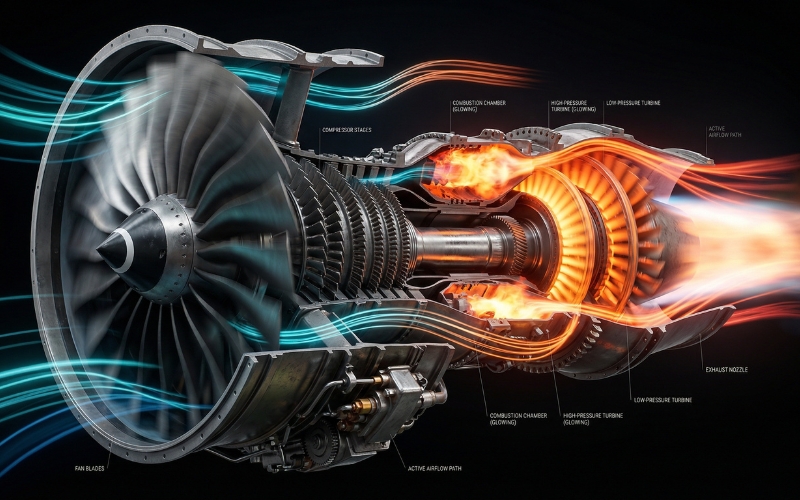
Industrial and manufacturing companies use 3D product animation services to show how machines operate, how components fit together, or how a product performs under stress. This is especially valuable when the product is large, expensive to transport, or still in the prototype phase.
Animation also works better for abstract messaging. If you’re explaining a business model, a workflow, or a value proposition that doesn’t have a physical form, animation gives you the freedom to create visual metaphors that make the idea stick.
And when your product or service will evolve frequently—common in SaaS—animation makes future updates easier and more affordable. You don’t need to reassemble a crew or refilm scenes. You adjust the animation file and render a new version.
Industries That Rely on Animation Over Live Action
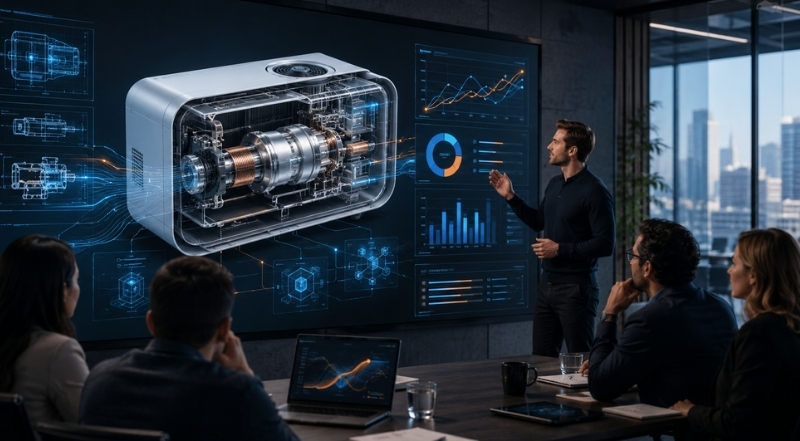
Certain industries have gravitated toward animation because of the nature of their products and the technical precision required. SaaS and software companies routinely use explainer videos and product tours built entirely in 2D or 3D animation. These videos simplify onboarding, reduce support tickets, and improve conversion rates on landing pages.
Healthcare and medical device companies depend on animation to communicate how devices function, how treatments work, and how patients should use products. Regulatory and educational requirements demand clarity, and animation delivers that without ambiguity.
Architecture and real estate firms use 3D visualization and architectural animation to showcase properties before they’re built. Buyers and investors can tour spaces, understand layouts, and experience design intent long before construction begins.
Manufacturing, engineering, and industrial sectors rely on technical animation to train employees, pitch to distributors, and explain machinery that’s too large or complex to demonstrate in person. Animation also supports patent applications and investor presentations.
Even education and nonprofit organizations turn to animation when explaining systems, social issues, or program impact. Animation removes language barriers, simplifies complexity, and scales across audiences.
Combining Live Action and Animation
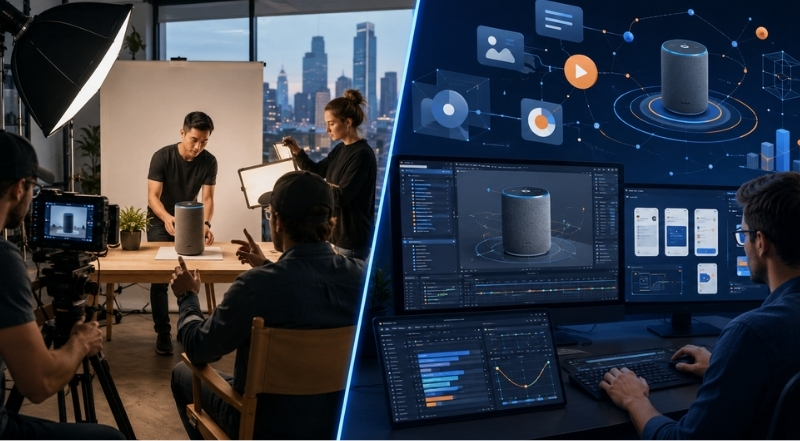
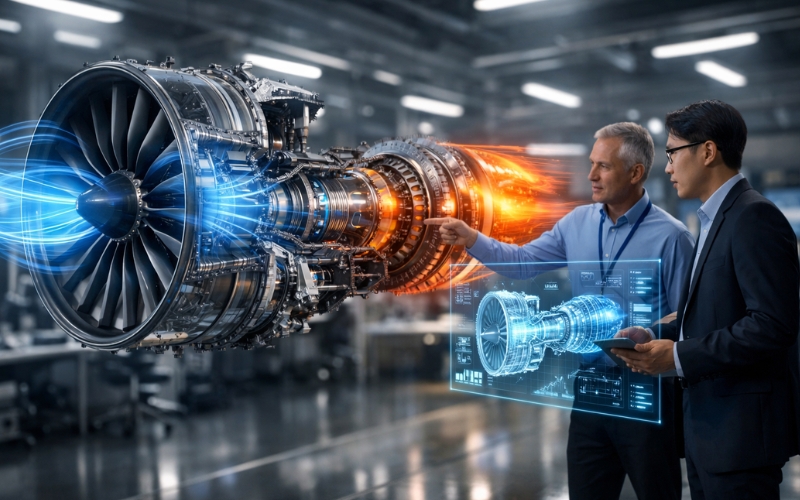
Sometimes the best answer isn’t choosing between product video vs animation—it’s using both. Hybrid videos blend live footage with animated elements to get the best of both worlds. You might film a spokesperson or customer testimonial and overlay animated graphics, data visualizations, or UI screen recordings to reinforce key points.
This approach works particularly well for corporate videos, keynote presentations, and product launches. The live footage humanizes your message while animation clarifies technical details and adds visual interest.
For example, a financial services company might film an advisor speaking directly to camera, then use animated charts and icons to illustrate investment strategies. A tech company might show real office environments and team members, then transition to 3D animation to explain how their platform works behind the scenes.
Hybrid videos require careful planning and a production partner experienced in both disciplines. The animation style must complement the live footage in tone, pacing, and color. When executed well, the combination feels cohesive and elevated.
What to Consider Before Choosing
Before committing to a format, ask yourself a few strategic questions. First, what is the primary goal of this video? Are you driving awareness, explaining functionality, generating leads, or supporting sales conversations? Your goal will influence which format communicates most effectively.
Second, who is your audience? Are they technical buyers who need depth and detail, or executive decision-makers who want clarity and speed? Different audiences respond to different visual approaches.
Third, where will this video be used? A 15-second social ad has different requirements than a 3-minute product demo on your website or a 90-second explainer in a pitch deck. Distribution channels affect format, length, and style.
Fourth, what is your timeline? If you need something in two weeks, live action may be faster—assuming your product and talent are available. If you need precision, flexibility, and future-proofing, animation may be worth the extra time.
Finally, what is your budget? Both formats can be produced at various price points, but understanding cost drivers—like location fees for live action or custom illustration for animation—helps you plan realistically.
Why Austin Visuals for Product Marketing Videos?
At Austin Visuals, we don’t believe in one-size-fits-all solutions. Every project begins with a conversation about your goals, audience, and message. From there, we recommend the format—or combination of formats—that will deliver the strongest results. Whether that’s 2D animation, 3D product visualization, live action with motion graphics, or a fully animated explainer, our team has the technical skill and marketing insight to bring your vision to life.
We’ve worked with SaaS startups preparing for Series A funding using custom SaaS explainer videos, medical device companies submitting FDA applications, architecture firms pitching billion-dollar developments, and corporate teams rolling out internal training programs. Our experience spans industries, but our focus remains the same: clarity, storytelling, and business impact.
Our Austin, Texas studio is equipped for end-to-end production, including scriptwriting, storyboarding, voiceover direction, animation, live shoots, and post-production. We also offer AI-enhanced video production workflows that streamline certain stages without sacrificing quality or creative control.
We understand deadlines, approval processes, brand guidelines, and stakeholder management. You’ll work with a dedicated producer who keeps your project on track and a creative team that listens as much as they create. Our goal is to make the production process as smooth as the final product is effective.
For companies targeting other businesses, investing in professional B2B explainer video production can transform how prospects understand your value proposition and accelerate the decision-making process. Clear communication is critical in B2B marketing, where buying cycles are longer and stakeholders are more analytical. The right explainer video cuts through complexity and builds confidence quickly.
Frequently Asked Questions
Is animation more expensive than live action?
Not necessarily. Live action can become costly when you factor in location rentals, crew, talent, permits, travel, catering, and unpredictable weather delays. Animation costs are more predictable and scale with complexity. Simple 2D explainer videos can be budget-friendly, while high-end 3D product animation may require more investment. The key is aligning your format with both your message and your budget.
Can I update an animated video after it’s finished?
Yes. One of animation’s biggest advantages is flexibility. If your product name changes, your pricing updates, or you need to swap a scene, we can revise the animation file and render a new version. Live action typically requires reshoots, which are more expensive and logistically complex.
How long does it take to produce a product marketing video?
Timelines vary based on format and scope. A simple live action shoot with basic editing might take two to three weeks. A custom 60-second animated explainer typically takes four to six weeks, including scripting, storyboarding, illustration, animation, voiceover, and revisions. Rush timelines are possible but depend on team availability and project complexity.
Which format is better for SaaS companies?
Animation is usually the better choice for SaaS. Software products are difficult to film in a compelling way, and static screen recordings don’t communicate value effectively. Animation allows you to show user flows, highlight features, and visualize outcomes in a way that’s engaging and easy to understand. It also integrates smoothly with your website and app branding.
Can you combine animation with real product footage?
Absolutely. Hybrid videos are a great option when you want the credibility of live product shots combined with the clarity of animation. For example, you might film your physical product in use, then animate diagrams or callouts to explain features, benefits, or internal components. This approach balances realism with explanation.
What industries benefit most from 3D animation?
Industries with complex, large, or highly technical products benefit most from 3D animation. This includes architecture, industrial manufacturing, medical devices, automotive, aerospace, and product design. 3D animation allows you to show cutaways, exploded views, and operational details that are impossible to capture with a camera.
Do animated videos perform better in marketing campaigns?
Performance depends on context, not format. Animated explainer videos tend to perform well on landing pages and in email campaigns because they’re concise and visually engaging. Live testimonial videos often perform better in retargeting and nurture campaigns because they build trust. The best format is the one that aligns with your campaign goal, audience, and distribution channel.
Ready to Choose the Right Format for Your Brand?
Choosing between live action vs animation for product marketing doesn’t have to be overwhelming. With the right partner, the decision becomes a strategic conversation—not a guessing game. At Austin Visuals, we help you think through format, messaging, audience, and distribution so your video investment delivers real results.
Whether you need product animations that boost sales and showcase engineering precision, a SaaS explainer that simplifies your platform, or a hybrid video that combines storytelling with technical detail, we’re ready to collaborate. Our team brings together animation expertise, marketing strategy, and production excellence to create videos that inform, persuade, and convert.
Let’s talk about your project. Call us at 512-591-8024 or email info@austinvisuals.com to schedule a consultation. We’ll walk through your goals, explore creative options, and provide a clear production plan tailored to your timeline and budget. Your story deserves to be told with clarity and impact—let’s make it happen together.