

Animation price depends on the work needed to create and deliver a specific video, including script, assets, modeling, motion, review, audio, and versions. Runtime is one input to the quote; it does not describe the whole production scope.
A useful estimate lets you see what is included and what assumptions could change. Two proposals for a one-minute animation may cover different artwork, technical review, revision rounds, and deliverables. Austin Visuals provides animation pricing information and project discussions for buyers preparing that scope.
This guide explains how to assemble a brief and compare proposals. It does not present unsupported per-minute rates or a universal production deadline. Your actual price should come from a proposal for your particular project.
Discuss animation pricing with Austin Visuals with your audience, references, available assets, and required delivery versions.
Why runtime alone cannot determine animation price
Runtime describes the length of the finished sequence, while production scope describes the work required to make it. A short technical cutaway can need more asset preparation than a longer presentation using simple existing artwork.
Consider two hypothetical projects with the same duration. One uses a reviewed script and a small set of approved flat graphics. The other needs an internal product model, several camera views, technical labels, and separate audience versions. The duration matches, but the required tasks differ.
A reference video can help communicate the visual preference. Identify which parts matter, such as the camera motion, artwork, pacing, or surface detail. Asking for something “like this” without that explanation can lead providers to estimate different work.
What an animation quote should describe
A clear quote identifies the included production work and the deliverables. It should also state the inputs expected from the client and the assumptions used to prepare the estimate.
| Scope area | What to clarify |
|---|---|
| Script and research | Who supplies the source material and develops the explanation? |
| Artwork or models | Which assets must be created, licensed, or prepared? |
| Motion | Which scenes, interactions, and camera views are included? |
| Reviews | What checkpoints and revision assumptions apply? |
| Audio | What narration, music, and sound work is included? |
| Delivery | Which formats, versions, and supporting files are provided? |
Ask the provider to identify exclusions as well. Translation, source project files, additional edits, interactive features, or future updates may be separate items. The important point is to make the scope visible before comparing totals.

How source assets affect preparation work
Usable source assets can reduce some creation work, but supplying a file does not automatically make it ready for production. The team should inspect its suitability for the intended output.
CAD inputs may need conversion, cleanup, part separation, or simplification for an animation. A product photo may explain the exterior while leaving an internal mechanism undocumented. Existing graphics may need editing permission or a style adjustment to work together.
List the assets available and their current versions. Identify who can answer technical questions and approve any interpretation. If the files cannot be reviewed before the initial estimate, ask which preparation assumptions remain provisional.
Specify whether the finished asset will be reused. A model built for one close view may need additional preparation for an exploded sequence or a new product configuration. Discuss known future uses without assuming every possible adaptation is included.
Script and technical review have their own scope
The script establishes what the animation must explain. Technical review checks the explanation against relevant references and can influence the scenes, models, labels, and narration required.
For a medical project, identify qualified reviewers for the statements and visuals. For an industrial product, identify the people who can approve component relationships and supported operating claims. A studio’s visual presentation does not independently establish clinical or engineering validity.
Prepare current references before asking for a detailed production estimate. If the message is still being developed, describe that work explicitly. A proposal based on a finished approved script covers a different scope from one that includes substantial discovery and rewriting.
Keep reviewer responsibilities clear. A marketing reviewer and a technical reviewer may evaluate different issues. Consolidating their comments can help the team act on one set of resolved instructions.
Understand revisions and changes in direction
A revision’s production impact depends on what changes and when it changes. A new concept, source reference, or scene can affect more work than a correction within an approved sequence.
Ask how review rounds are defined and what each checkpoint covers. Script review, storyboard review, motion review, and final delivery review do not necessarily allow the same changes within the original estimate.
A hypothetical label correction might affect one visual element. A request to show a different internal mechanism could require new modeling, motion, narration, and rendering. These examples illustrate the difference; the actual proposal should govern how changes are handled.
When the scope changes, ask for an explanation of the affected work before approving it. Keep the revised requirement and any resulting delivery assumptions documented so both parties use the same brief.
Include audio, accessibility, and delivery versions
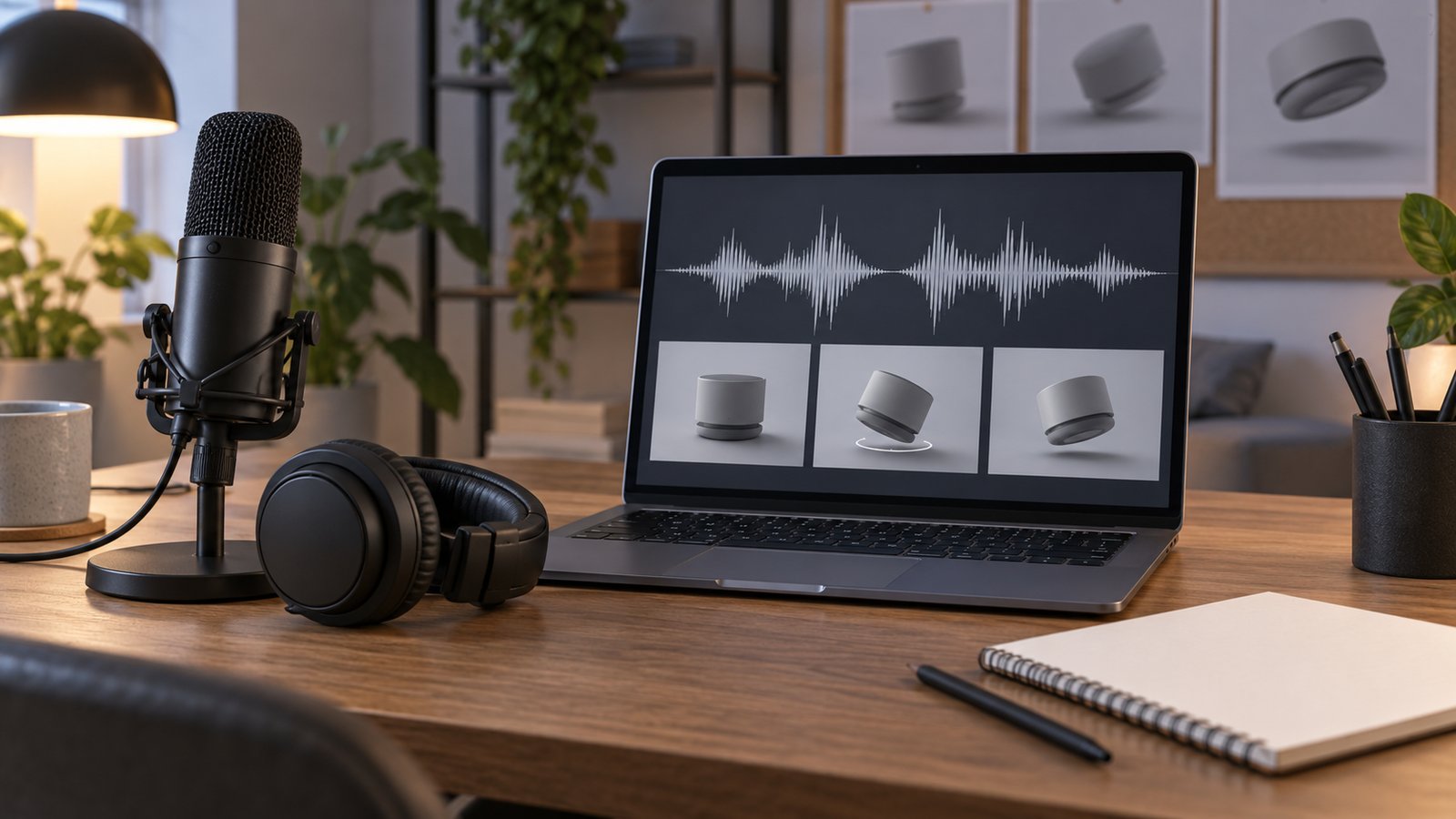
Final delivery can involve more than one video file. Narration, captions, language versions, aspect ratios, and audience edits should be identified before the price is agreed.
Specify where the animation will appear. A website presentation, conference display, and learning-platform module can have different file or playback needs. Ask who supplies technical specifications and who checks the finished files in their intended setting.
For narration, clarify casting, script approval, recording, usage rights, and possible pickups. For music or other licensed assets, confirm the permitted use and any limits that affect your distribution plans.
Request the caption format you need and identify who approves technical terminology. A translated version should have an appropriate language reviewer. Do not assume that generating a transcript or translated draft completes that review.
Compare proposals using the same brief
Compare animation proposals against a shared set of requirements. A lower total can reflect a different scope rather than a directly comparable price.
- Send the same audience, objective, and source references.
- Identify required scenes and deliverables.
- Compare asset creation and preparation assumptions.
- Check script work, reviews, and revision boundaries.
- Confirm licensing, file delivery, and future reuse.
- Resolve exclusions before comparing the final totals.
Ask questions where a proposal is vague. “Custom animation” does not explain whether the artwork is original, whether an internal model is included, or how many delivery versions are covered. A clear comparison is more useful than assigning a quality label from the price alone.
Set priorities when the budget is constrained
A constrained budget calls for a discussion about the communication objective and the work needed to support it. Identify what viewers must understand before deciding what to simplify.
You could discuss a smaller initial sequence, fewer distinct environments, or a format that needs less asset preparation. These are options to assess with the provider, not guaranteed savings. Preserve the information and review required for the explanation.
Include any fixed deadline and the availability of client reviewers in the brief. Production and approvals need a realistic shared schedule. Request a scoped estimate with clear assumptions rather than relying on a universal turnaround claim.
How Austin Visuals helps with animation price
Austin Visuals provides animation pricing information and project discussions. Share the intended use, available assets, visual references, and required deliverables to request a scoped estimate. Confirm what the proposal includes and which changes would require a revised scope.
Explore Austin Visuals services and project planning for the relevant production scope and examples. The content and required review should be confirmed for your particular project.
Original article by Nancy Schirm.
Prepare a clear project brief
Choose the audience and objective before deciding how much visual detail the project needs. Gather the current references, identify the people who can approve the explanation, and specify the delivery versions. These decisions provide a practical basis for production planning and a useful project discussion.
Have an animation project to discuss?
Share your audience, references, and delivery requirements with Austin Visuals to discuss an appropriate production scope.
Contact info@austinvisuals.com or call (512) 591-8024.
Frequently Asked Questions
What affects animation price?
Price depends on the production scope, including script, assets, modeling, motion, review, audio, and deliverables. Runtime is only one part of that scope.
Does supplying CAD reduce modeling work?
It can reduce some work if the files are usable and appropriate for the project. Inspection, conversion, cleanup, and animation preparation may still be required.
How do revisions affect an animation quote?
Their effect depends on what changes and when. A new concept or technical reference can affect more work than a correction within an approved scene.
Should quotes be compared only by price per minute?
No. Compare the included work, visual complexity, review assumptions, licensing, and delivery versions. A per-minute figure alone can hide differences in scope.
Can a studio estimate a project from a reference video?
A reference can help explain style, but a useful estimate also needs the subject, audience, source assets, runtime, and deliverables. Confirm which features of the example matter.
What should a request for an animation quote include?
Include the objective, audience, references, available assets, delivery requirements, and review process. State any fixed deadline and budget constraint so the scope can be discussed.
Related Articles
- Educational animation scope and cost
- Preparing for the animation process
- How 2D and 3D animation is made