
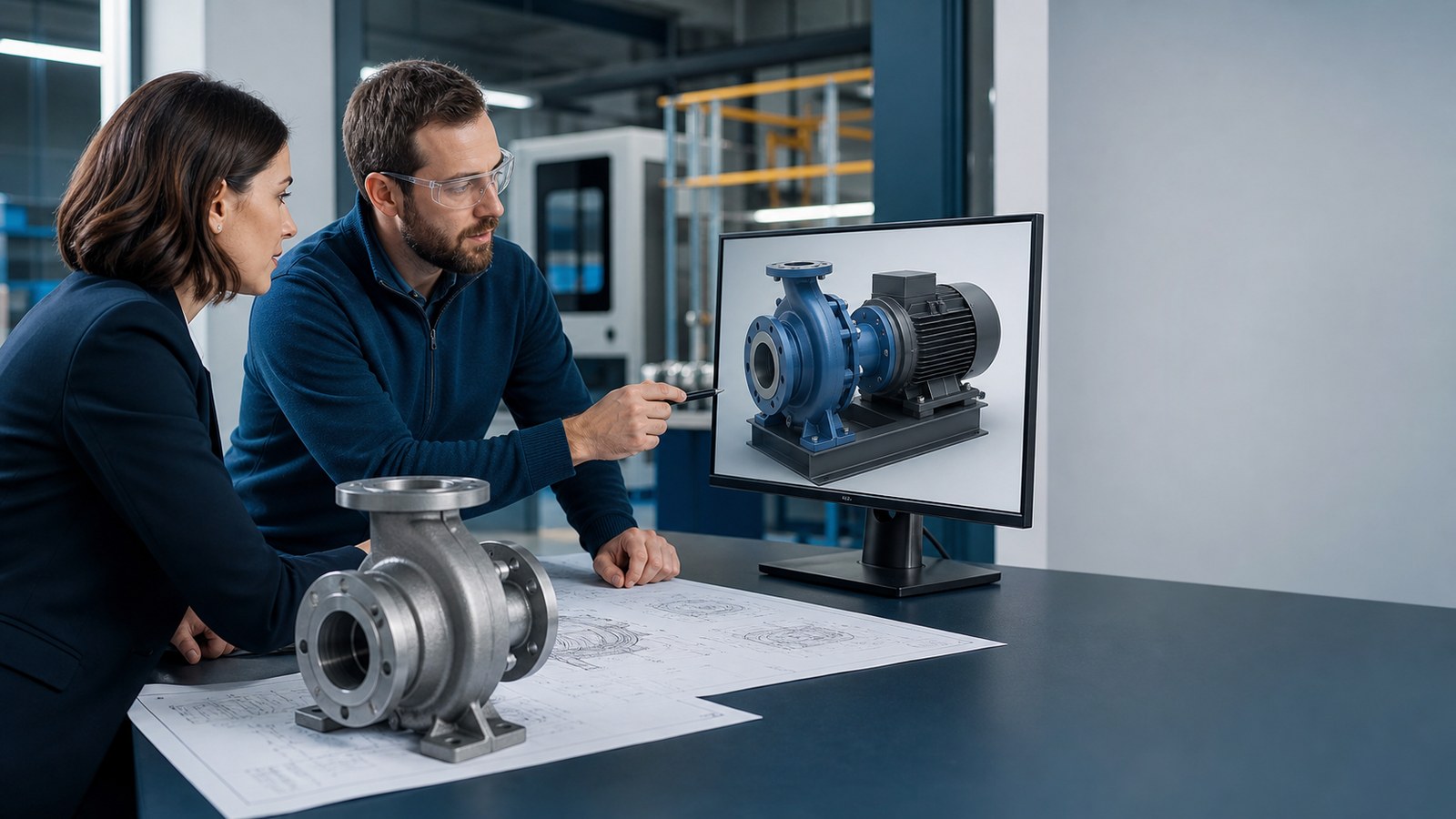
Industrial product advertising animation helps a buyer understand what an engineered product does, how it works, and why its design matters before a sales conversation becomes buried in specifications. Austin Visuals creates realistic 3D product advertising, technical visuals, and reusable campaign assets for manufacturers and industrial technology companies. To discuss a project, call (512) 591-8024 or email info@austinvisuals.com.
Industrial products can be difficult to market because their value often lives inside a housing, within a process line, or in a sequence that is impossible to capture with an ordinary camera. A strong animation does more than make equipment look polished. It gives the sales and engineering teams a shared visual language, presents approved differentiators in context, and produces adaptable material for websites, presentations, trade shows, paid media, and direct sales.
What Is Industrial Product Advertising Animation?
Industrial product advertising animation is a marketing-focused visualization of a manufactured or engineered product. It may use photorealistic 3D rendering, motion graphics, compositing, or a combination of techniques to present exterior design, internal operation, installation, application, maintenance access, or a specific customer benefit. Unlike a general company video, the product and its technical story remain the center of the message.
The format can range from a 15-second product reveal to a detailed two-minute explanation. It can show an existing pump, valve, robot, sensor, machine, energy system, or construction product. It can also present a prototype before photography is available, provided the visualization accurately reflects the approved design stage. A useful industrial product animation makes the subject easier to evaluate without implying that an unfinished concept is already production-ready.
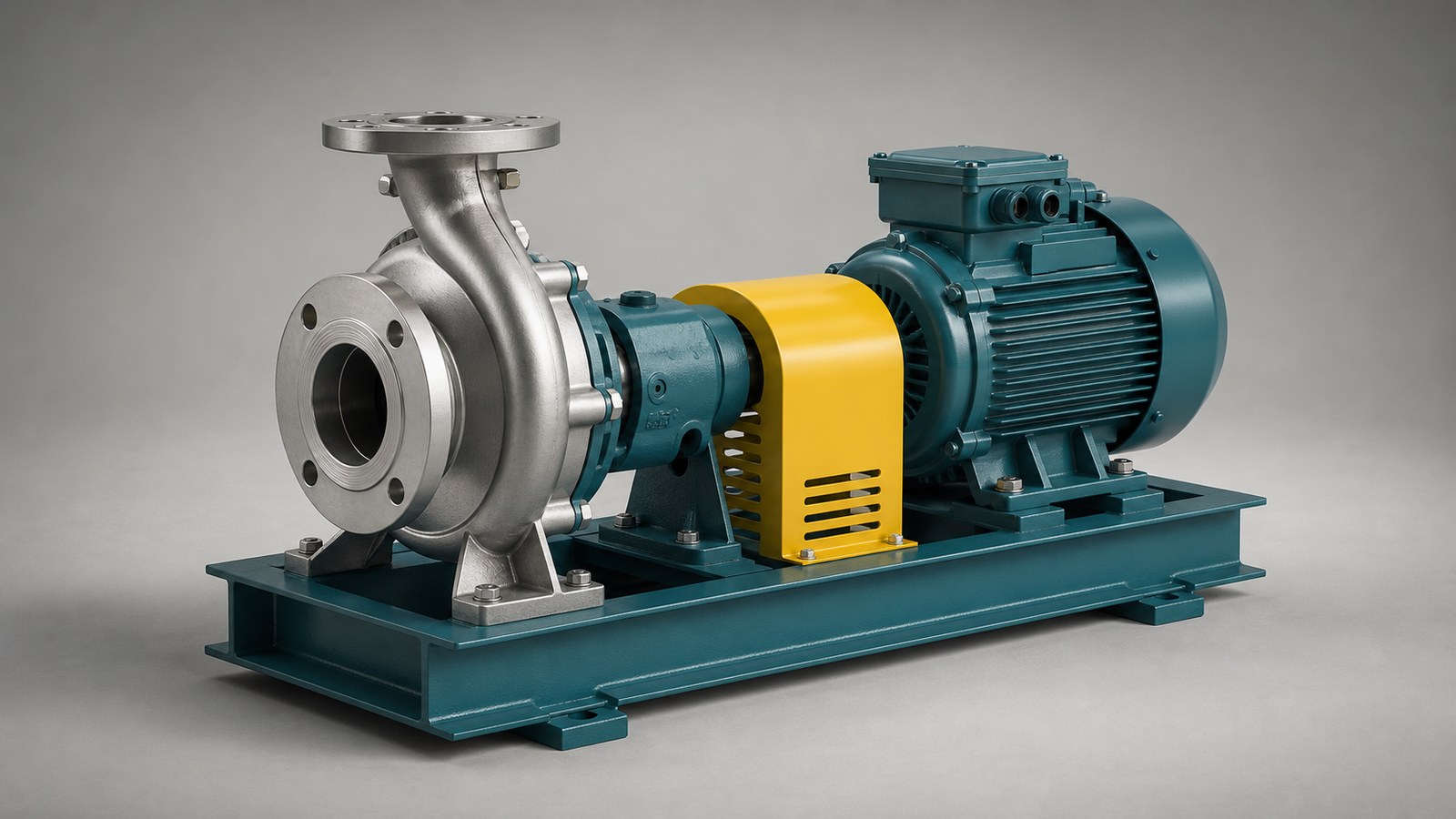
Why Industrial Products Are Hard to Advertise
A consumer product can often be understood from a photograph and a short feature list. Industrial buying is different. The decision may involve engineering, operations, maintenance, procurement, finance, safety, and management. Each stakeholder needs a different level of detail, yet the message must remain consistent.
Several practical barriers make industrial communication harder:
- Critical functions are hidden. Flow paths, seals, bearings, software logic, heat transfer, and internal mechanisms are not visible from the outside.
- Products are difficult to film. Equipment may be too large, installed at a customer site, operating behind guards, or unavailable during a production window.
- Specifications do not create instant understanding. A data sheet is essential, but it does not always show how features work together in an application.
- Buyers have limited attention. A technical message must establish relevance quickly, then offer deeper evidence for viewers who need it.
- Claims require discipline. Performance, durability, safety, efficiency, and comparative statements must match approved evidence and conditions.
A B2B manufacturing video can address these barriers when it follows a clear hierarchy: first establish the product and its job, then reveal the mechanism, connect that mechanism to an approved benefit, and finish with a specific next step.
Reveal Function with Cutaways and Controlled Camera Moves
One of the strongest advantages of 3D animation is controlled visibility. A camera can move through an enclosure, pause at a key interface, transition to a sectional view, or make a housing temporarily transparent. These techniques let the audience see what physical filming cannot reveal safely or clearly.
For a centrifugal pump, a sequence might begin with the installed assembly, move to the suction inlet, reveal the impeller and volute, and trace a restrained flow path to the discharge. For a control valve, the animation might connect actuator movement to stem travel, plug position, and flow control. For a robotic cell, it might show end-of-arm tooling, sensor confirmation, and a complete handling cycle.
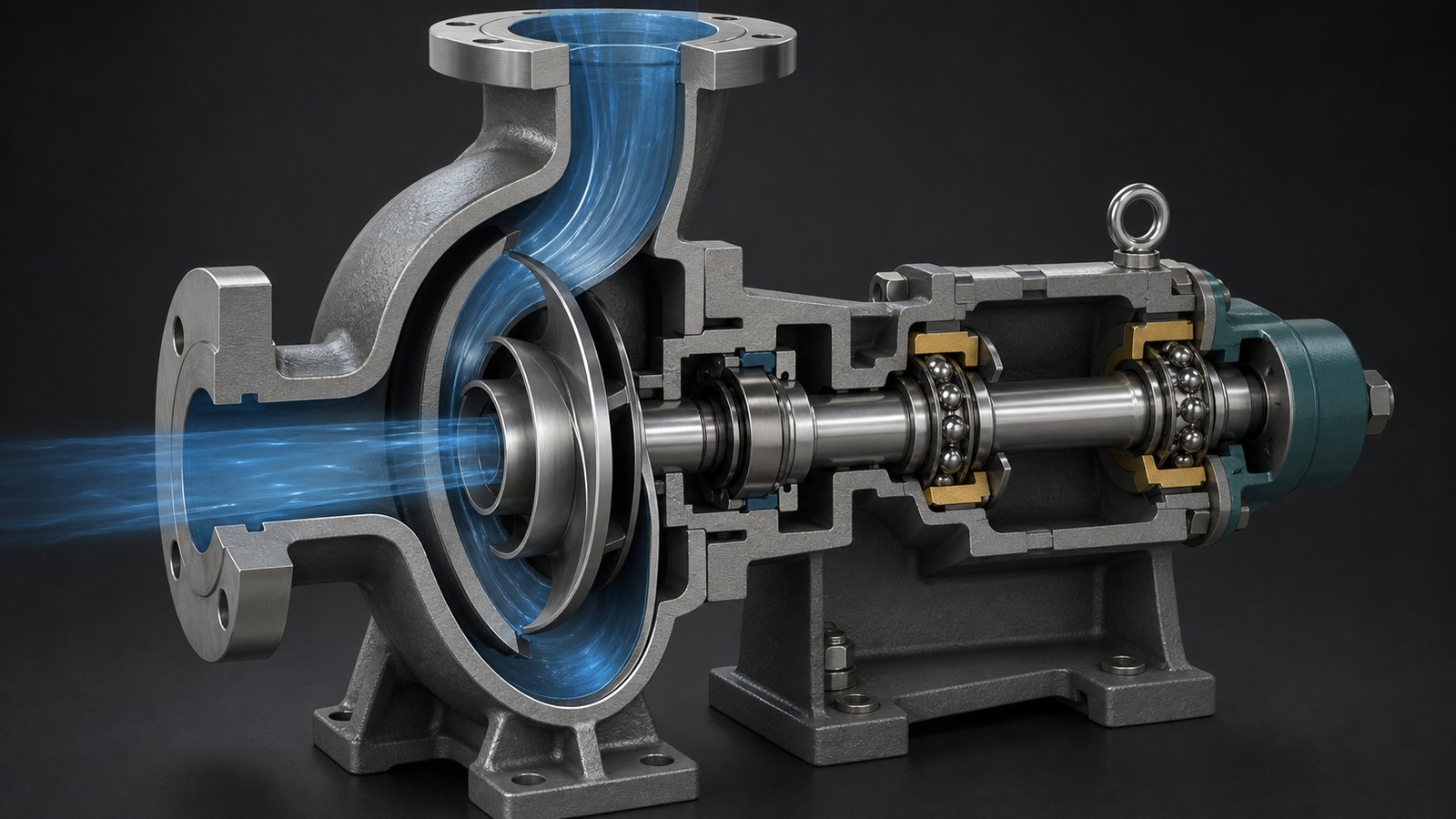
The visual must remain technically defensible. Transparent materials and colored flow paths are explanatory conventions, not literal operating conditions. The script or caption should make that distinction clear when a viewer could misinterpret the image. Geometry, direction, sequence, scale, and operating state should come from approved source files and technical review.
Turn Engineering Differentiators into a Visual Story
A product differentiator becomes persuasive when the viewer can see the cause-and-effect relationship. Instead of simply stating that a component is easier to service, an animation can show the access path, tool clearance, removable assembly, and reduced number of steps. Instead of claiming that a design protects sensitive parts, it can reveal the enclosure, seal arrangement, cooling path, or isolation feature that supports the claim.
This is where 3D product advertising benefits from collaboration between marketing and engineering. Marketing defines the audience, buying concern, and desired action. Engineering confirms which feature actually supports the message and which conditions or limitations must accompany it. The resulting sequence can be concise without becoming vague.
Objective claims should be approved before public use. The Federal Trade Commission explains that advertising claims must be truthful, non-deceptive, and supported by evidence, including the reasonable interpretations created by words and images. The practical lesson for industrial animation is straightforward: an impressive visual does not excuse an unsupported performance claim. Review express and implied messages, source data, test conditions, and qualifications before release.
Show the Product in a Credible Application Context
A clean studio render is useful for introducing form and materials, but buyers also need to see the product in context. A technically grounded application scene can show scale, connection points, pipe routing, mounting, service access, operator position, guarding, or how the equipment fits within a larger process.
Context should clarify rather than decorate. A pump shown in a process plant should have credible piping and supports. A machine shown on a factory floor should have realistic clearances and safety features. A product demonstration animation should not add sparks, vapor, impossible loads, or dramatic movements merely to create excitement. Those elements can communicate the wrong operating condition and weaken trust.
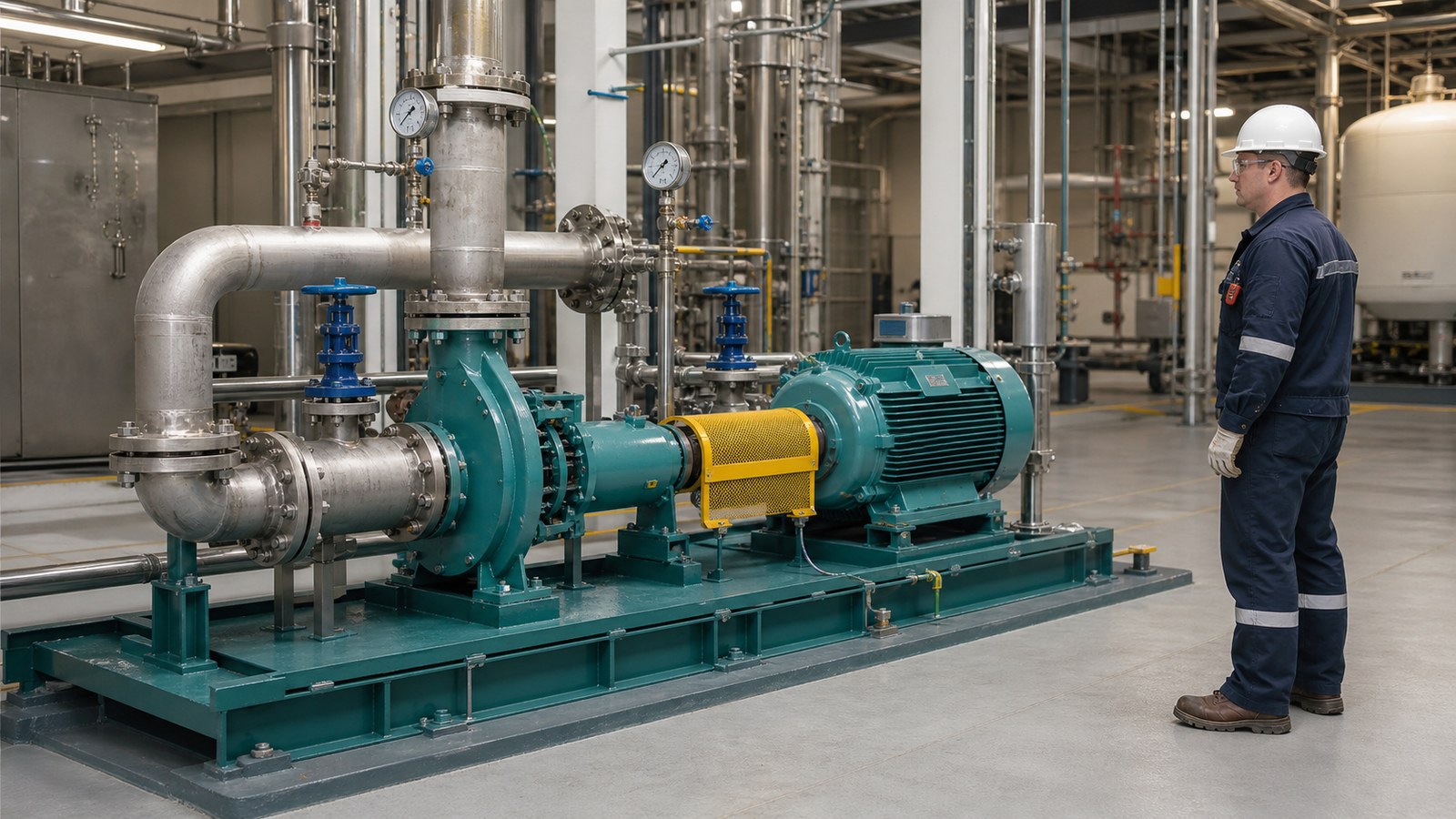
When a product serves several industries, modular scenes can present the same core assembly in different approved applications. The product model remains consistent while the environment, supporting equipment, captions, and value proposition change for each audience. This approach can extend a campaign without rebuilding every asset from the beginning.
Build a Reusable Sales and Marketing Asset Library
The best return often comes from planning a family of deliverables around one approved 3D asset. A master animation can supply a website video, trade-show loop, sales presentation segment, short paid-media cut, vertical social version, transparent product spin, and high-resolution stills. Product teams can also use selected views in launch presentations or distributor materials.
Reusability requires planning before animation begins. The team should identify final aspect ratios, runtimes, caption needs, safe crop zones, background requirements, and whether narration must work in shorter edits. Google Ads, for example, uses multiple image and video aspect ratios across campaign types, while LinkedIn supports a range of video placements and dimensions. Designing only one wide master and cropping later can remove the product or obscure the most important action.
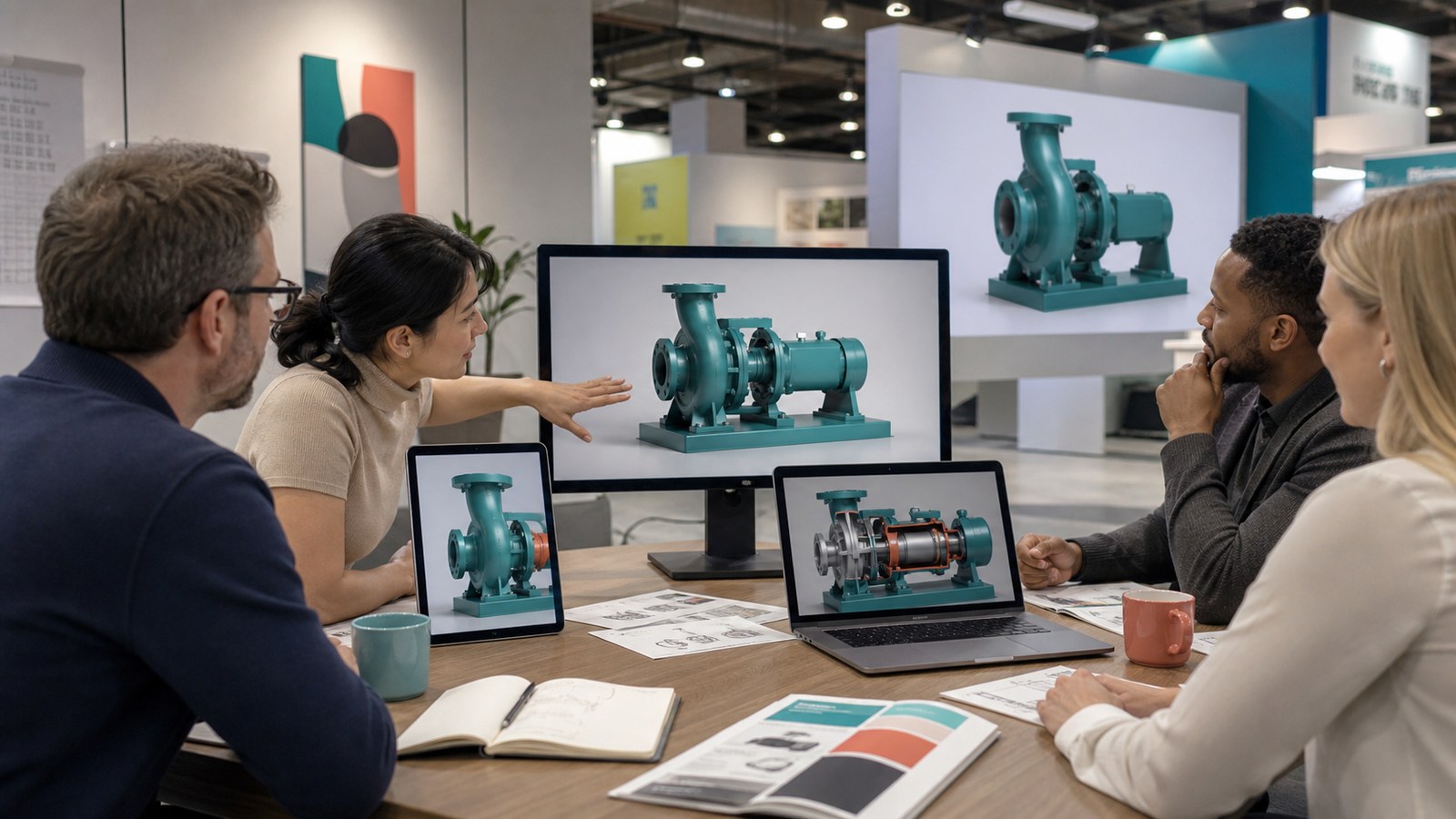
An industrial marketing animation can therefore be treated as a content system, not one isolated video. The approved model, materials, lighting, camera moves, and mechanism shots become a reusable visual foundation. New edits still need review, especially when captions or sequences create a different implied claim.
Plan the Message for Buyers, Channels, and Sales Stages
Before production, define who must act after viewing. A plant engineer may want interfaces and operating logic. A maintenance manager may care about access and replacement steps. Procurement may need product family differences. An executive may need a concise connection between the product, operational problem, and business outcome.
A practical message framework includes:
- Problem: Establish the real operating or buying challenge without exaggeration.
- Product role: Show where the product fits and what task it performs.
- Mechanism: Reveal the feature or process that supports the proposed benefit.
- Evidence: Present approved data, conditions, certification, testing, or a clear invitation to review specifications.
- Action: Direct the viewer to request a quote, schedule a technical review, download data, or contact a specialist.
The opening seconds should make the product and its relevance clear. Detail can then increase according to runtime and audience. A paid ad may focus on one differentiator, while a sales presentation can use the same visual sequence with a longer explanation and supporting data.
Use an Accuracy-First Production Workflow
A reliable technical product visualization workflow separates creative decisions from technical approvals. The production team first inventories CAD, drawings, photos, manuals, data sheets, approved claims, brand files, and delivery requirements. Missing information becomes an assumption list rather than an invitation to guess.
Next, the script defines what the viewer will understand and which source supports each technical statement. Storyboards establish framing, sequence, callouts, cutaways, and transitions before expensive rendering. A low-resolution animatic tests timing and provides an efficient point for engineering, product, marketing, safety, and legal stakeholders to review the complete story.
Review gates should be explicit:
- Confirm product configuration and CAD revision.
- Approve mechanisms, material paths, operating states, and installation context.
- Verify every numerical, comparative, performance, efficiency, safety, and durability claim.
- Review narration, captions, visual implications, qualifications, and calls to action.
- Approve the master before creating channel-specific versions.
This process reduces late changes and keeps creative clarity aligned with product truth. It also creates a documented decision trail when the asset is adapted months later.
Measure Performance Beyond View Count
Views alone do not show whether an animation supports sales. Measurement should match the channel and buying stage. For a short awareness ad, watch time, completion rate, qualified landing-page visits, and engagement by target account may matter. For a product page, track specification downloads, quote requests, demo requests, and contact conversions. Sales teams can record whether the animation reduces repeated explanations or helps additional stakeholders enter the conversation.
Testing should isolate meaningful variables. Compare two openings, two product benefits, or two calls to action rather than changing every part of the video at once. Feedback from sales and distributors can reveal where buyers pause, misunderstand a mechanism, or request more evidence. Those findings can guide the next edit or supporting asset.
Why Choose Austin Visuals for Industrial Product Advertising Animation?

Austin Visuals helps manufacturers and industrial technology teams translate complex products into clear, credible visual communication. Our team can support discovery, script development, storyboarding, CAD preparation, 3D modeling, realistic materials and lighting, technical animation, motion graphics, voiceover, editing, and multi-format delivery.
We build the review process around the client’s subject-matter experts. Product geometry, internal mechanisms, operating sequences, installation context, performance statements, and safety conditions can be approved in stages before final rendering. This keeps the creative work aligned with engineering reality and the intended sales message.
A single production can be planned for product pages, presentations, distributor training, trade shows, campaign ads, and still-image needs. Contact Austin Visuals at (512) 591-8024 or info@austinvisuals.com to discuss your product, source files, audience, schedule, and deliverables.
Our Clients include:

Frequently Asked Questions
What is industrial product advertising animation?
Industrial product advertising animation is a marketing-focused 2D or 3D visualization that shows an engineered product’s appearance, operation, internal design, differentiators, or application. It turns technical information into a structured visual story for buyers without replacing approved specifications or test data.
Which industrial products are suitable for animation?
Pumps, valves, compressors, turbines, robotics, production equipment, energy systems, electronics, construction products, medical devices, and other engineered products can be suitable. Animation is especially useful when the product is large, internal motion is hidden, prototypes are unavailable, or filming would be unsafe or impractical.
What source files help an industrial animation project?
Useful inputs include CAD, STEP files, drawings, product photography, manuals, data sheets, approved performance claims, application diagrams, brand guidelines, and a list of technical reviewers. Incomplete source material can still be used if assumptions are recorded and approved.
Can animation show a product’s internal operation?
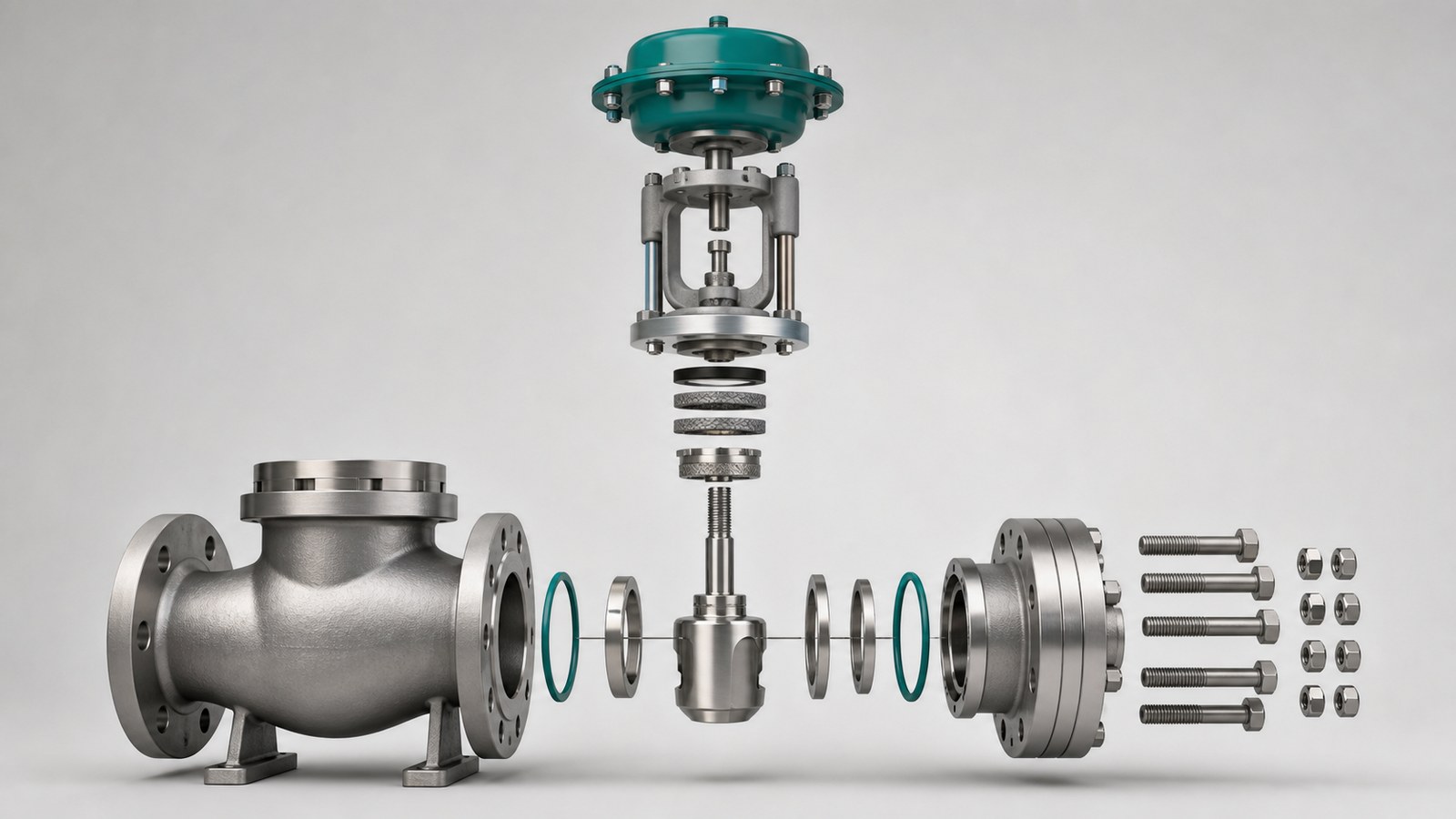
Yes. Cutaways, transparent housings, sectional views, exploded assemblies, particle paths, and controlled camera moves can reveal internal operation. The mechanism, sequence, dimensions, flow direction, and safety conditions should be reviewed by the client’s subject-matter experts.
Can one product animation be adapted for several marketing channels?
Yes. A master animation can be planned for website pages, sales meetings, trade shows, LinkedIn, paid advertising, vertical social formats, presentations, and still-image exports. Each version still needs intentional framing, pacing, captions, and a suitable call to action.
How long does industrial product animation take to produce?
Timing depends on scope, CAD readiness, modeling needs, runtime, technical complexity, review availability, rendering, and the number of deliverable formats. A schedule is most reliable after the team defines the audience, message, source files, review gates, and final outputs.
How does Austin Visuals maintain technical accuracy in product advertising?
Austin Visuals organizes approved source material, documents assumptions, develops scripts and storyboards, and uses staged reviews with client-designated engineering, product, marketing, safety, and legal stakeholders before final delivery.
Conclusion
Industrial product advertising animation can make a complex product easier to understand, compare, and remember. Its value comes from combining accurate geometry, controlled visibility, a buyer-focused message, substantiated claims, and deliberate channel planning. When the product model and story are approved carefully, the resulting visuals can support both immediate campaigns and a longer-term sales asset library.
Make your industrial product easier to understand.
Austin Visuals creates realistic product animation, cutaways, exploded views, application scenes, and multi-channel campaign assets with staged technical review.
Call (512) 591-8024 or email info@austinvisuals.com to discuss your project.